
FITNESS WORLD ARTICLES
Explore the latest evidence-aware guides.
Evidence-aware guides on the health questions people are actually asking.
FEATURED
Testosterone Boosters After 40: What the Evidence Actually Says
A practical evidence-first look at testosterone boosters after 40: what can influence testosterone, what supplement ingredients can and cannot prove, and when testing matters.
READ GUIDE →
FEATURED
Collagen for Joints vs Skin vs Muscle: Which Claims Hold Up?
Collagen is sold as one powder for three very different outcomes. The evidence is more convincing for some joint and skin outcomes than for building muscle.
READ GUIDE →ARTICLE LIBRARY
Browse the latest investigations
Search or filter the full Fitness World article library.
 ARTICLEDo You Really Need 10,000 Steps a Day?10,000 steps is a memorable target, but it is not a biological threshold. Health benefits can appear well below it.→
 ARTICLEDoes Apple Cider Vinegar Before Meals Lower Blood Sugar?Vinegar may modestly blunt post-meal glucose in some studies, but the effect is small, the evidence is mixed and the habit is not a substitute for diabetes care.→
 ARTICLEAre Creatine Gummies Worth It?Creatine gummies can deliver creatine, but the format itself has not been shown to outperform ordinary monohydrate powder.→
 ARTICLEGreens Powders: Useful or Overhyped?Greens powders package vitamins, plant ingredients and marketing into one scoop. The key question is whether the finished product has evidence that justifies the price.→
 ARTICLESleep Trackers: How Accurate Are They?A sleep score can look medical because it is precise. Consumer wearables can estimate broad sleep patterns, but detailed sleep stages are less dependable than the screen suggests.→
 ARTICLEAre Smart Scales Worth It?Smart scales are good at weighing you. Their body-fat and muscle estimates are a different story.→
 ARTICLEAshwagandha for Stress: Evidence and SafetyAshwagandha is marketed as a stress solution, but the evidence is more specific—and less universal—than the advertising often suggests.→
 ARTICLEBenefits of Walking Every Day: A Beginner’s GuideLearn why walking is useful, how much activity adults generally need, and how to build a realistic walking habit without overcomplicating it.→
 ARTICLEDoes Berberine Work Like Ozempic?Berberine is sometimes promoted as “nature’s Ozempic.” The evidence does not support treating the supplement as an equivalent to semaglutide.→
 ARTICLEBlood Sugar Spikes: What They Mean and When They MatterBlood glucose normally rises after eating. Here’s the difference between a normal post-meal response and why context matters.→
 ARTICLEAre At-Home Body-Fat Scales Worth It?They can weigh you well. Their body-fat percentage is an estimate influenced by hydration and proprietary equations, not a home DXA scan.→
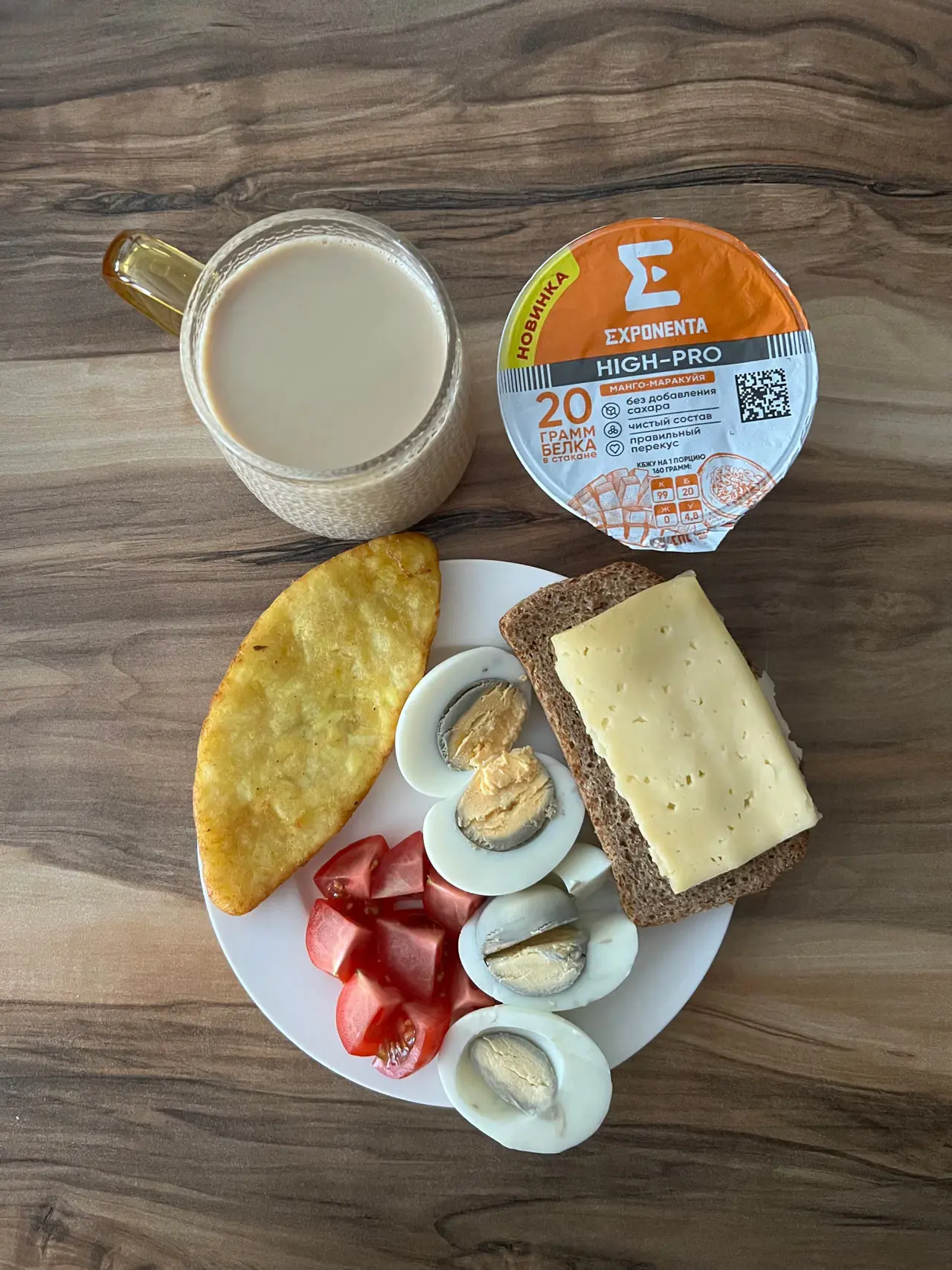 ARTICLEIs Breakfast Really the Most Important Meal of the Day?Breakfast can be useful, but the evidence does not support a universal rule that everyone must eat it for weight control or good health.→
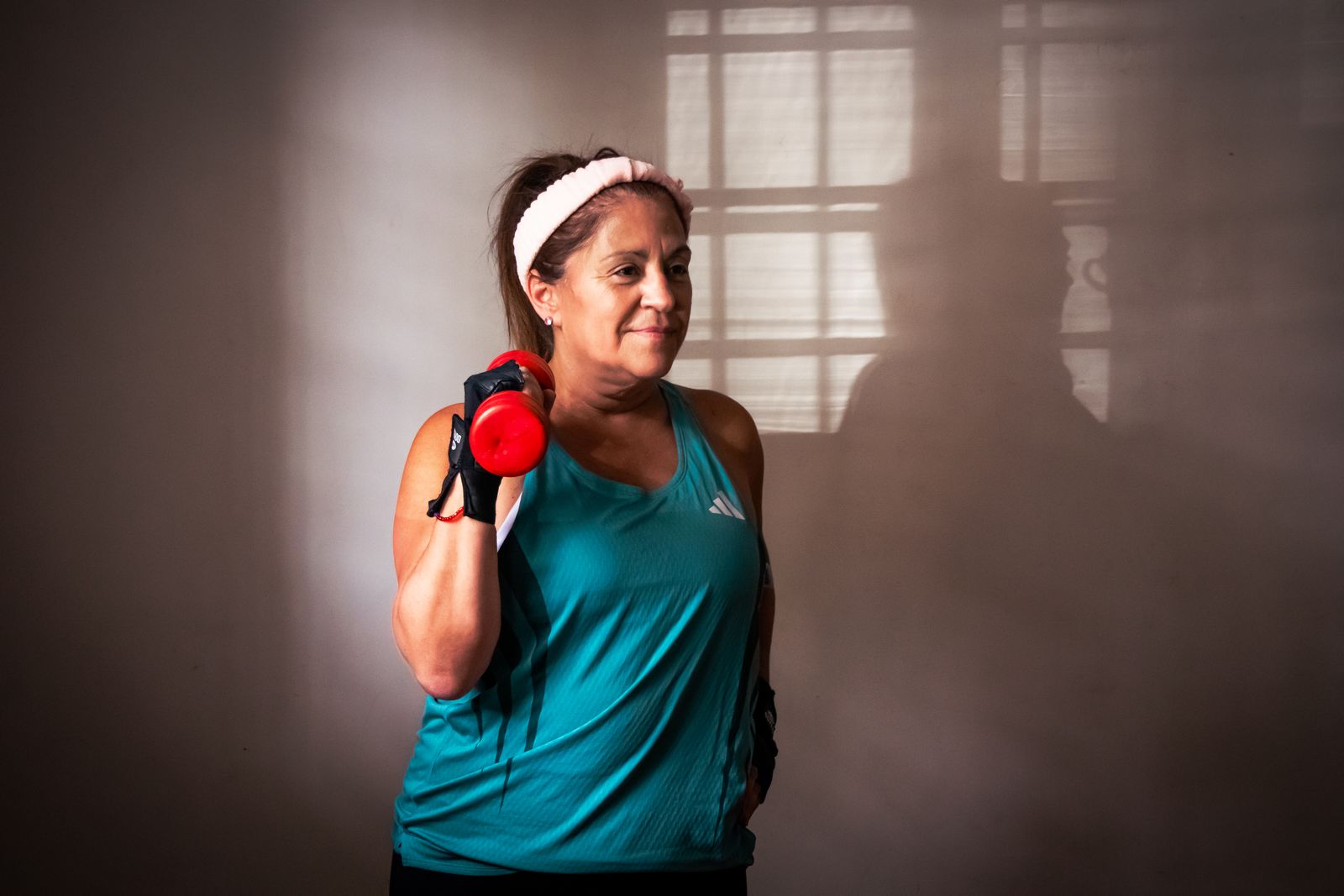 ARTICLECan You Build Muscle After 50?Yes. Older muscle still adapts to resistance training, including in people who start much later than 50.→
 ARTICLECan You Build Muscle After Menopause?Yes — but the process is less about finding a menopause hack and more about giving muscle a reason to adapt, enough protein to support it and enough time to accumulate progress.→
 ARTICLEWhen Should You Stop Drinking Caffeine for Better Sleep?Caffeine can affect sleep even when you drink it hours before bed. A practical cutoff depends on sensitivity, dose and bedtime.→
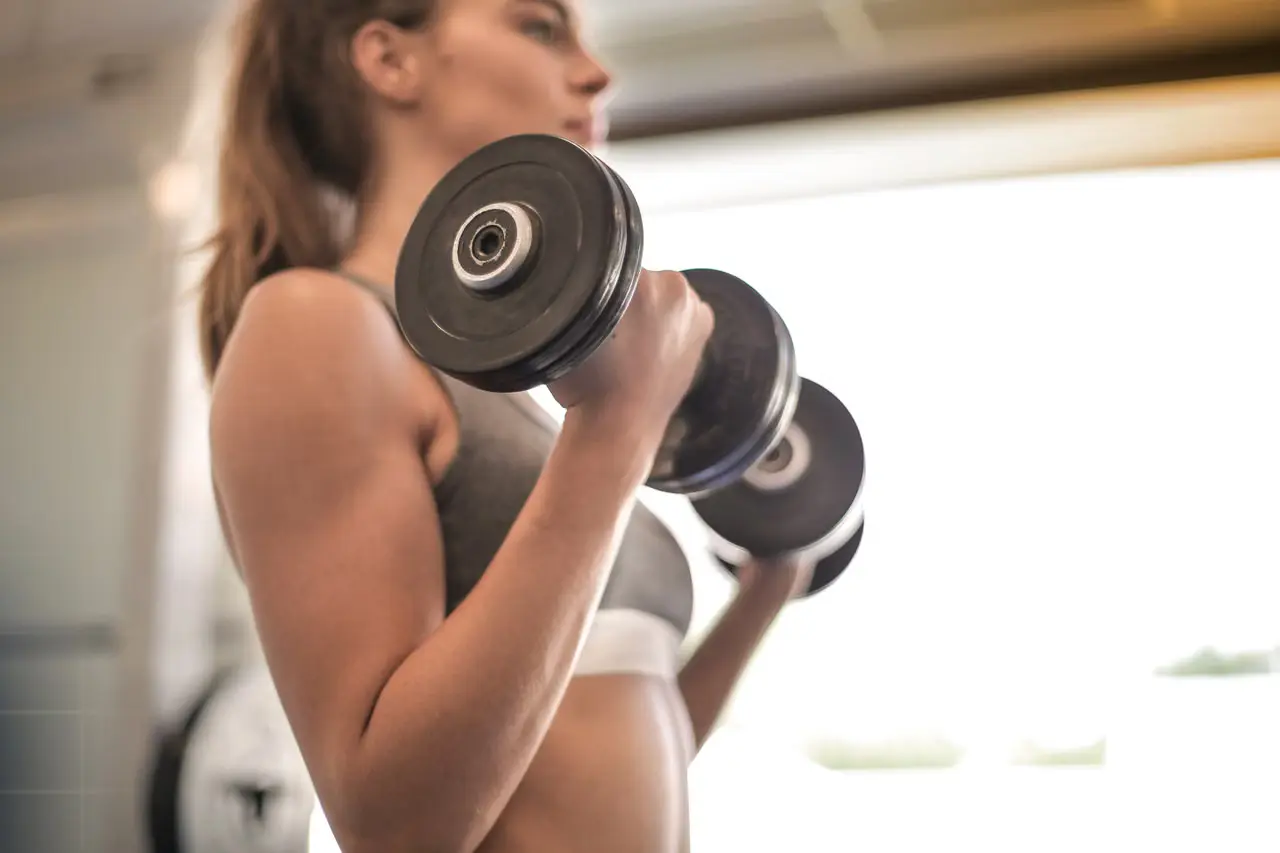 ARTICLECan You Lose Muscle on GLP-1 Medication?Yes, lean mass can fall during GLP-1-assisted weight loss — but “lean mass” is not the same thing as pure muscle, and the size of the problem varies.→
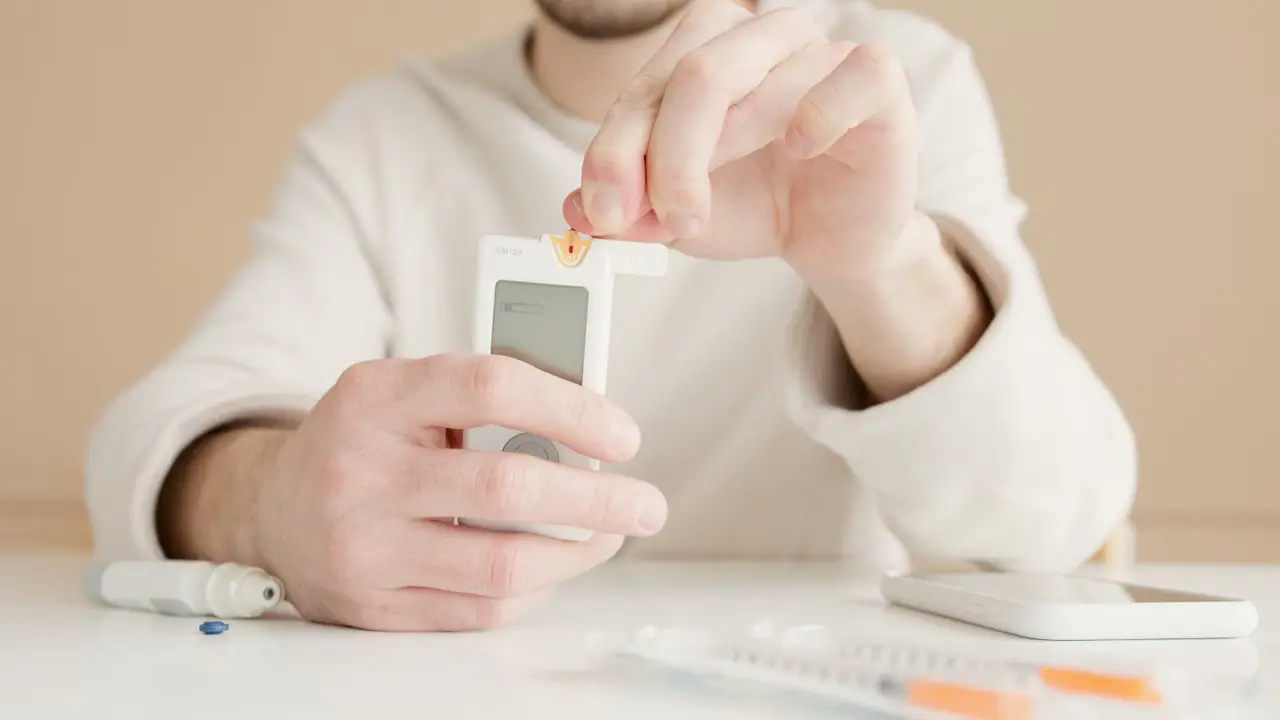 ARTICLEAre Continuous Glucose Monitors Worth It If You Don't Have Diabetes?A CGM can reveal glucose patterns in real time. For generally healthy people without diabetes, more data does not automatically translate into better health outcomes.→
 ARTICLEYour Circadian Rhythm: A 2-Minute GuideYour circadian system helps coordinate sleep and wakefulness across roughly 24 hours. Light is one of its strongest environmental signals.→
 ARTICLEAre Cold Plunges Worth It?Cold water can change how you feel after hard exercise and may reduce soreness. That does not mean routine plunging improves every recovery outcome — and timing matters if muscle growth is the goal.→
 ARTICLEAre Collagen Powders Worth It?Collagen has plausible uses, but the most marketable claims are not always the best-supported ones — and newer reviews raise important questions about study quality and industry funding.→
 ARTICLECollagen Supplements: Evidence and LimitsCollagen research is more complicated than “works” or “doesn’t work.” Results differ by skin, joint and muscle outcomes, and study quality matters.→
 ARTICLECollagen vs Protein Powder: What’s the Difference?Collagen peptides and conventional protein powders are both protein products, but their amino-acid profiles and best-supported uses are different.→
 ARTICLEDoes “Cortisol Face” Actually Exist?Chronically excessive cortisol can change fat distribution and facial appearance in Cushing syndrome. That does not validate social-media claims that ordinary stress can be diagnosed from a puffy face.→
 ARTICLECreatine After 40: What Does the Evidence Say?Creatine is not only a bodybuilding supplement. Research in older adults suggests it can add modest benefits when paired with resistance training.→
 ARTICLECreatine After Menopause: Does It Actually Help?Creatine is increasingly marketed to women in midlife. The strongest case is not “hormone balance”; it is the possibility of modest extra gains in lean mass and strength when creatine is paired with resistance training.→
 ARTICLECreatine for Women: Benefits, Evidence & What to KnowCreatine works through the same basic energy system in women and men, but female-specific research is smaller and some claims run ahead of the data.→
 ARTICLECreatine Gummies vs Powder: Which Is Better?Gummies can be convenient, but powder makes it easier to see the dose and usually avoids paying a premium for the delivery format.→
 ARTICLECreatine and Hair Loss: What the Research Can — and Cannot — Tell UsThe hair-loss concern around creatine has circulated for years. Direct evidence now gives the claim a much clearer test.→
 ARTICLECreatine for Healthy Aging: Is the Hype Ahead of the Evidence?Creatine has real evidence for strength and training adaptations in older adults. Claims about cognition, bone health and longevity need more careful separation.→
 ARTICLECreatine Monohydrate vs Creatine HCl: Which Should You Choose?Creatine monohydrate has decades of outcome research. HCl may dissolve differently, but better solubility is not the same as better strength or muscle results.→
 ARTICLECreatine for Strength and Muscle: Evidence GuideCreatine has unusually strong evidence for a sports supplement — especially when it is paired with resistance training.→
 ARTICLECreatine vs Protein Powder: Which Do You Actually Need?Creatine and protein powder are often sold beside each other, but they solve different problems. You may need neither, one, or both.→
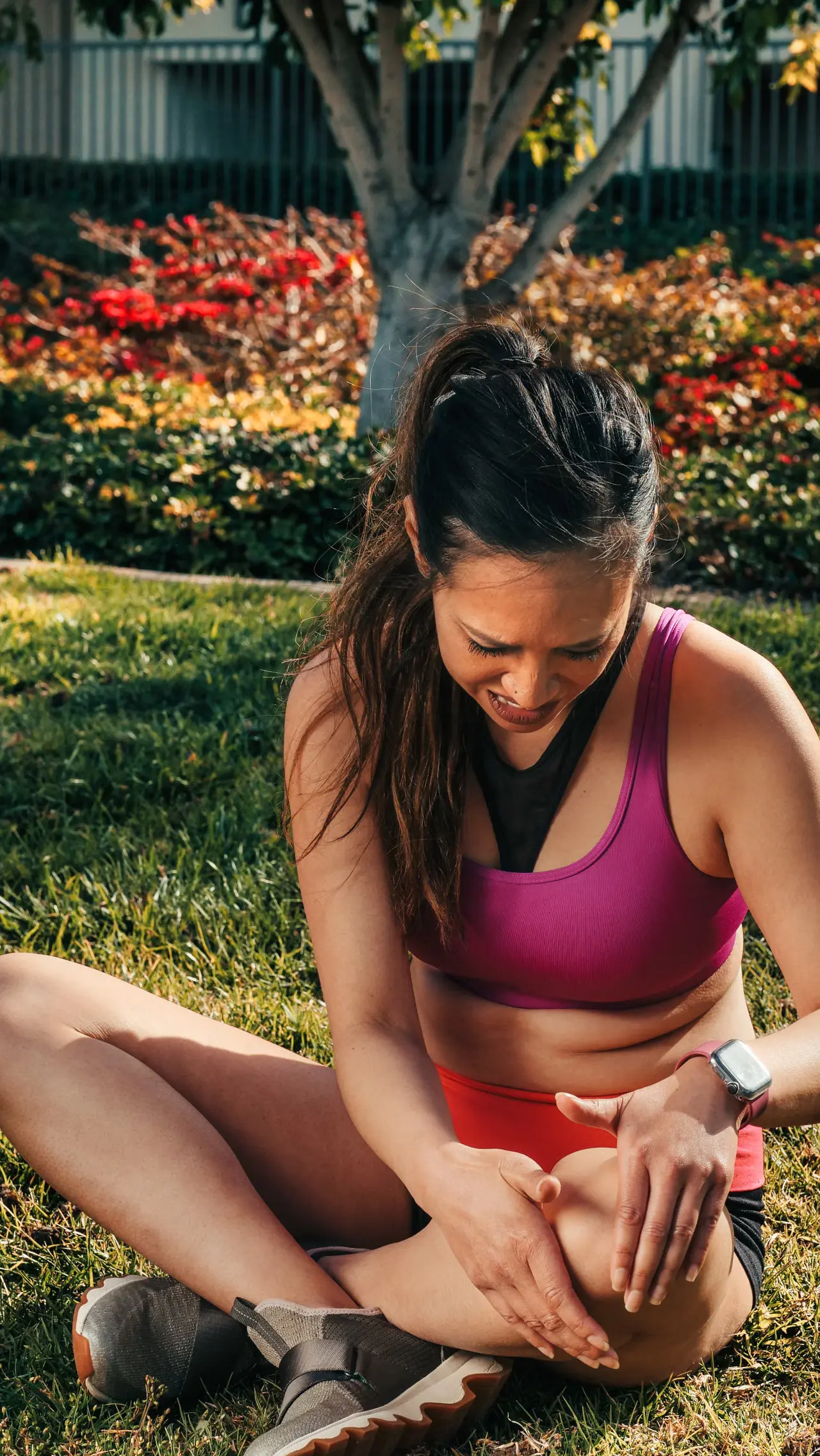 ARTICLECurcumin for Knee Osteoarthritis: What Pain Studies SuggestTurmeric and curcumin supplements are heavily marketed for joints. The evidence is more encouraging for knee osteoarthritis than for vague “inflammation” promises.→
 ARTICLEFiber Supplements: When Do They Help?If your diet already contains plenty of fiber-rich foods and your bowel habits are normal, probably not. A supplement is most useful when it solves a defined gap.→
 ARTICLEMultivitamins: Who May Actually Benefit?A multivitamin can fill nutrient gaps for some people. It has not been shown to act like broad insurance against heart disease, cancer and every consequence of a poor diet.→
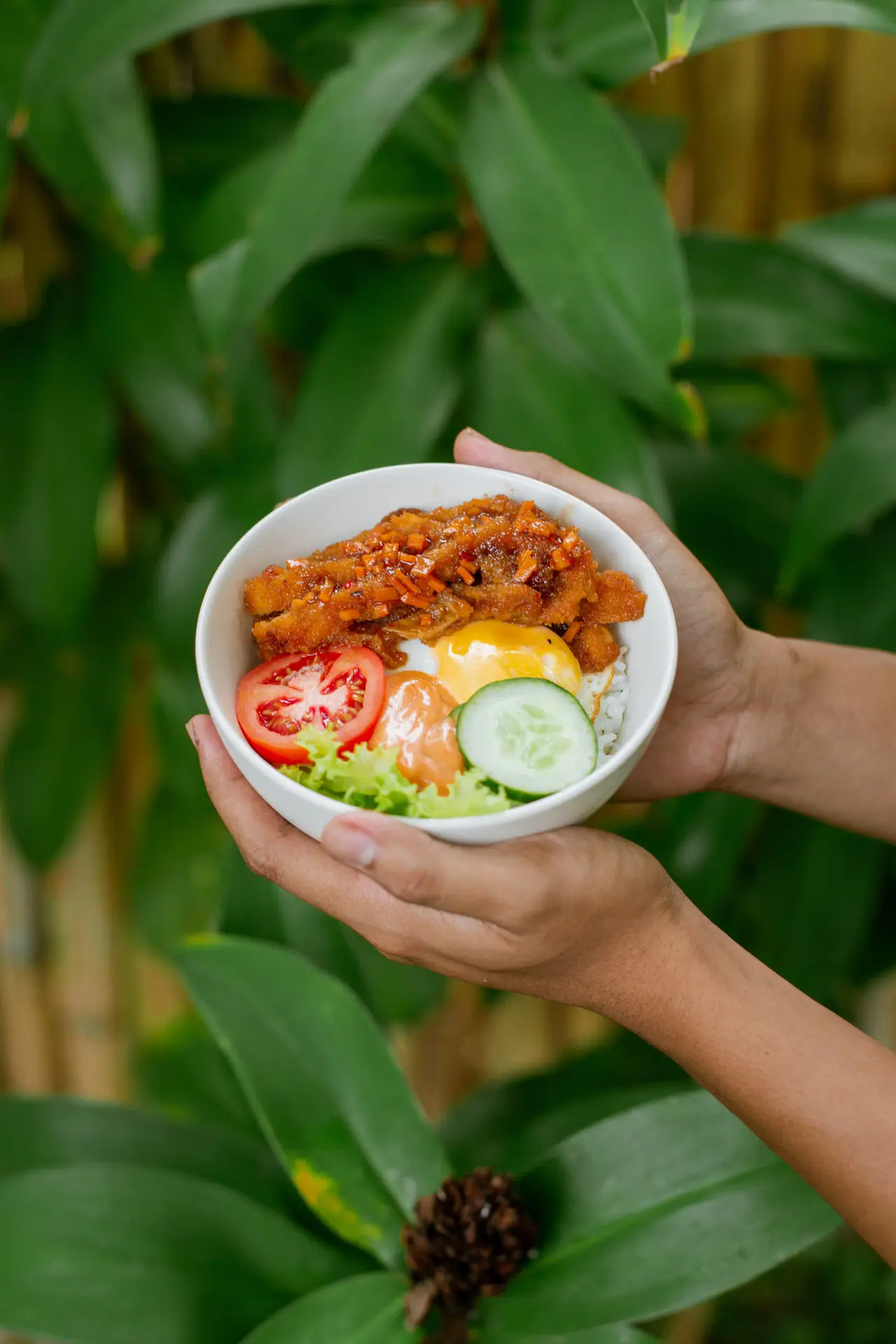 ARTICLEWhat Should You Eat When Your Appetite Is Low on a GLP-1?When appetite drops sharply, the challenge is not finding a perfect GLP-1 diet. It is fitting enough protein, fluids, fiber and micronutrients into food you can comfortably tolerate.→
 ARTICLEEating at Night: Does Meal Timing Really Matter?Late-night eating is not automatically harmful. Meal timing matters in context — but viral “never eat this after 8 PM” rules go too far.→
 ARTICLEDoes Everyone Really Need 8 Hours of Sleep?Eight hours is a useful shorthand, not a requirement for every adult. Healthy sleep needs vary, and regularity and quality matter too.→
 ARTICLEElectrolyte Powders: Do You Actually Need Them?Electrolytes matter, but that does not mean every workout or ordinary day requires a flavored electrolyte packet.→
 ARTICLEAre Electrolyte Powders Worth It for Everyday Use?For long, hot or high-sweat exercise, electrolytes can be useful. For an ordinary desk day or short gym session, water and normal meals usually cover the job.→
 ARTICLEDo You Need Electrolytes While Taking a GLP-1?A GLP-1 prescription does not automatically create an electrolyte requirement. Fluids and electrolytes become more relevant when vomiting, diarrhea or very low intake causes meaningful losses.→
 ARTICLEWhat Exercise & Recovery Research Is Talking About This WeekThis week: new research on exercise snacks and a recent trial examining how exercise timing and fed versus fasted states influence appetite after training.→
 ARTICLEAre Expensive Multivitamins Worth It?A higher price can buy nicer packaging, testing or different doses. It does not automatically buy better health outcomes.→
 ARTICLEFiber and GLP-1s: What You Should KnowFiber still matters when appetite is lower, but jumping from very little fiber to a large supplement dose can make gastrointestinal symptoms worse.→
 ARTICLEHow Much Fiber Do You Actually Need, and What Does It Help With?Fiber supports digestive health, and certain soluble fibers can modestly lower LDL cholesterol. Here’s how much to aim for and where to get it.→
 ARTICLEFiber Supplements vs Food: Which Makes More Sense?A supplement can close a fiber gap. Food brings fiber with vitamins, minerals, plant compounds and the structure of a meal.→
 ARTICLEFish Oil vs Eating Fish: Which Is Better?Fish provides omega-3 fats inside a protein-rich food. Fish-oil capsules can deliver EPA and DHA without the meal, but benefits depend on dose, population and outcome.→
 ARTICLEFitness Watch Calories: How Accurate Are They?Step counts and heart rate can be useful. Calorie-burn numbers are much shakier — and that matters if you are using them to decide how much to eat.→
 ARTICLEGinger Benefits: Uses, Nutrition & What to KnowLearn what ginger is used for, what research says about nausea, practical ways to use it, and important safety considerations.→
 ARTICLEGLP-1 Supplements: Which Marketing Claims Should You Question?A powder or capsule cannot simply borrow the name of a prescription drug class and become equivalent to it. “GLP-1 support” is a marketing phrase, not proof of a medication-like effect.→
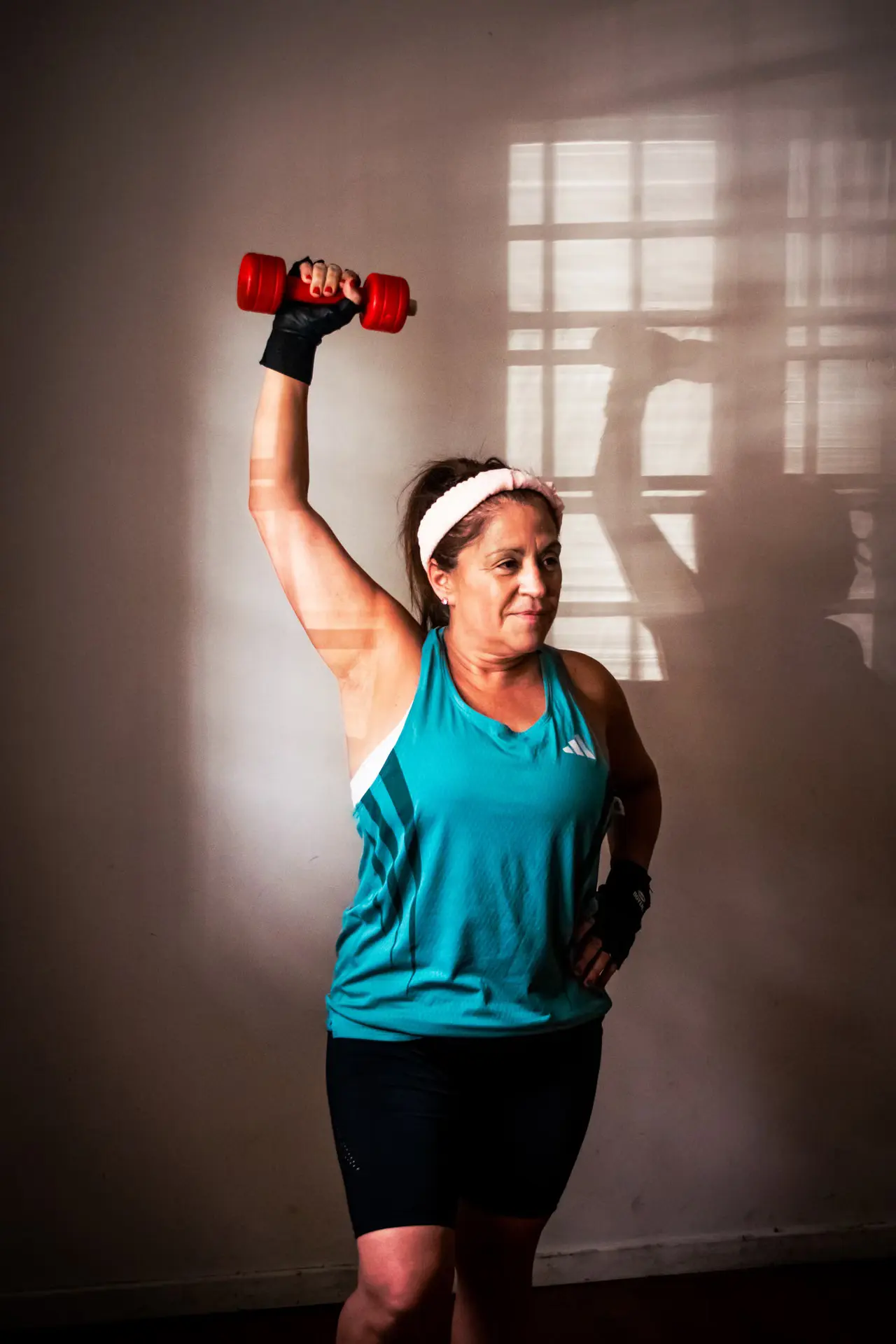 ARTICLEGreens Powder vs Multivitamin: Which Makes More Sense?Neither replaces vegetables, fruit or a varied diet. A multivitamin offers defined nutrients; a greens powder often adds blends whose doses and outcomes are harder to interpret.→
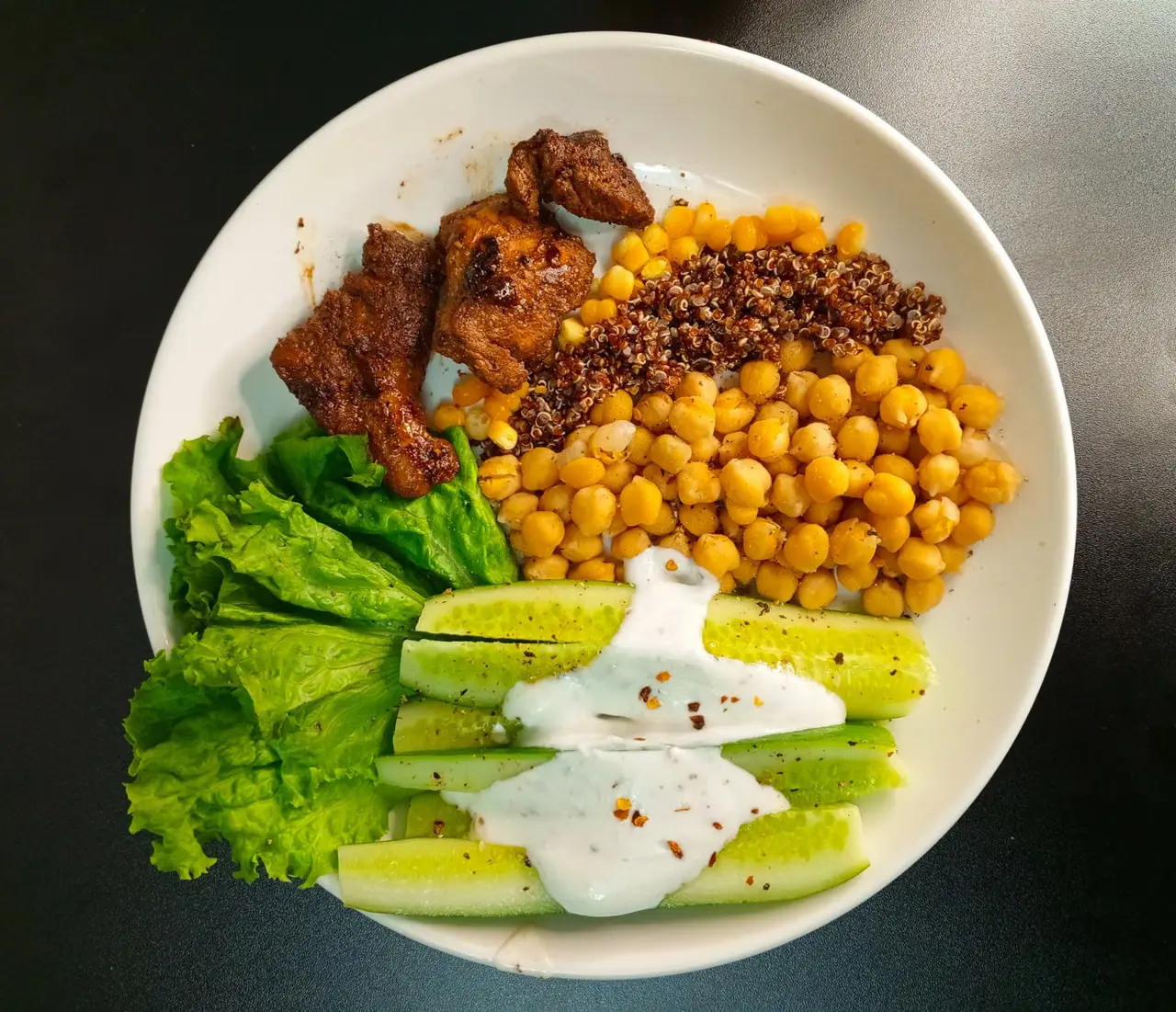 ARTICLEDo Greens Powders Replace Vegetables?Greens powders can add concentrated plant-derived nutrients, but that is not the same thing as replacing whole vegetables.→
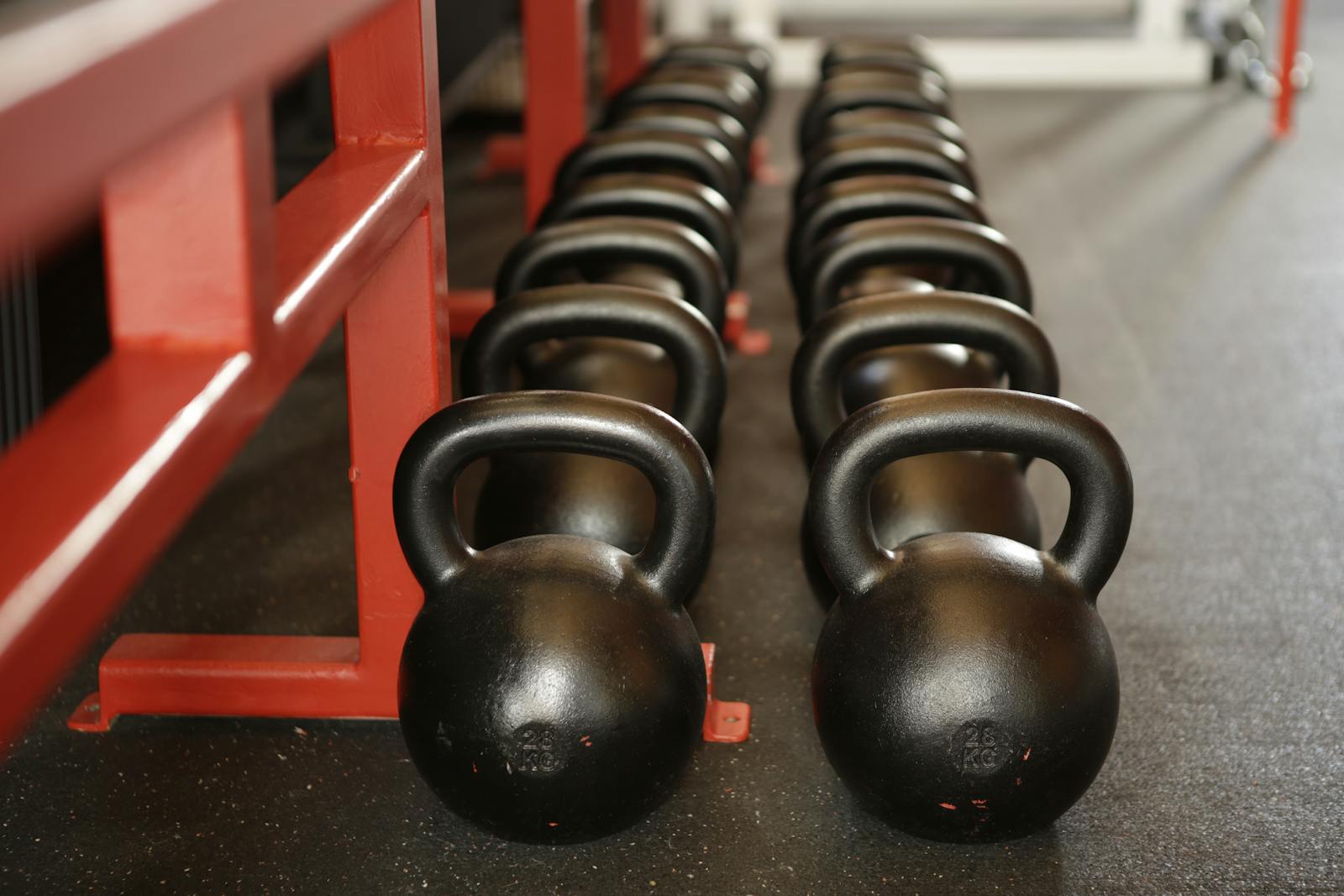 ARTICLEDoes Grip Strength Really Tell You How Well You're Aging?Grip strength is a useful marker of overall strength and function, but it is not a crystal ball—and squeezing a gripper does not automatically change the risks associated with a weak score.→
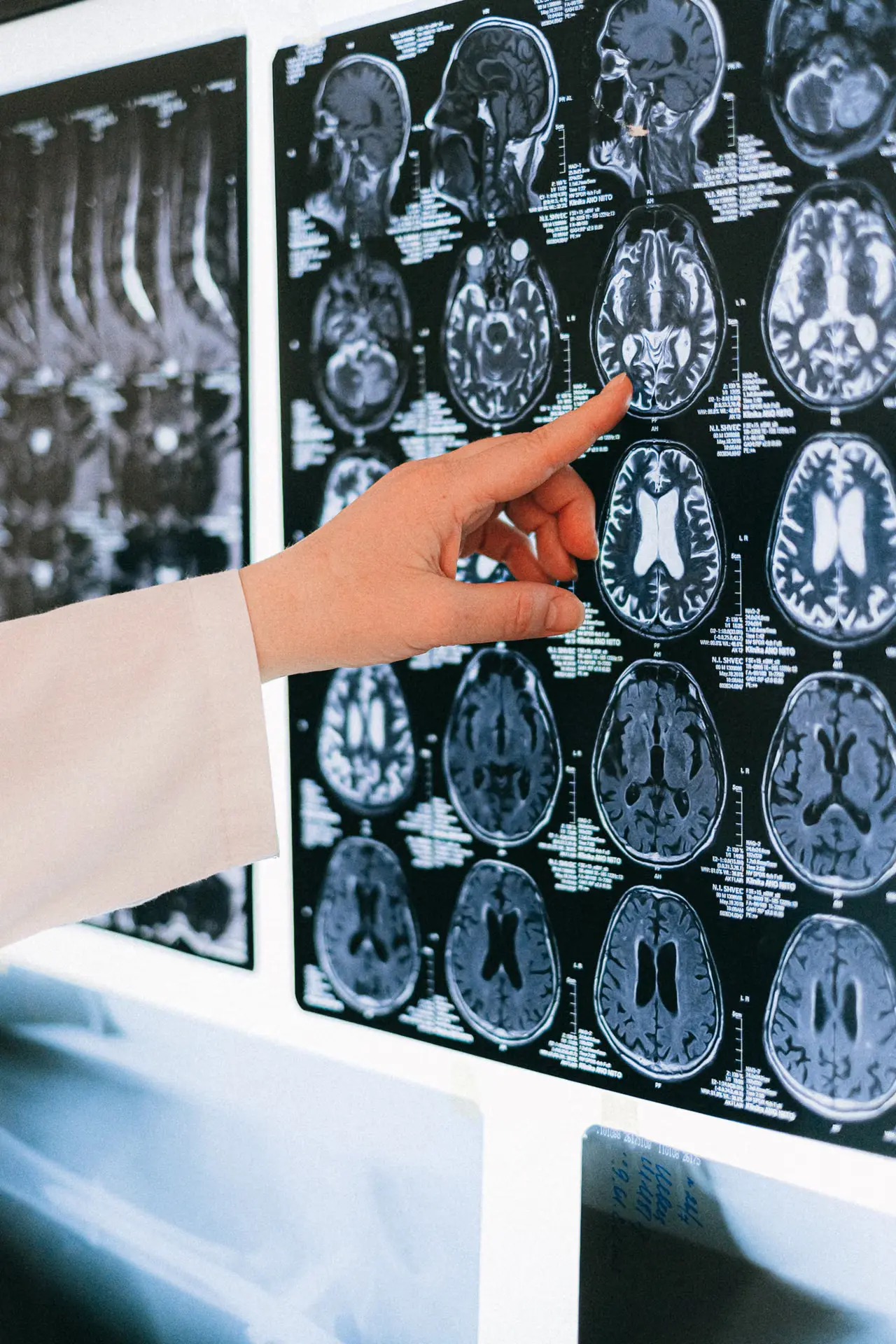 ARTICLEHealth Numbers Explained: What Common Measurements Actually MeanBlood pressure, glucose, cholesterol and other numbers can be useful — but they need context and should not become self-diagnosis tools.→
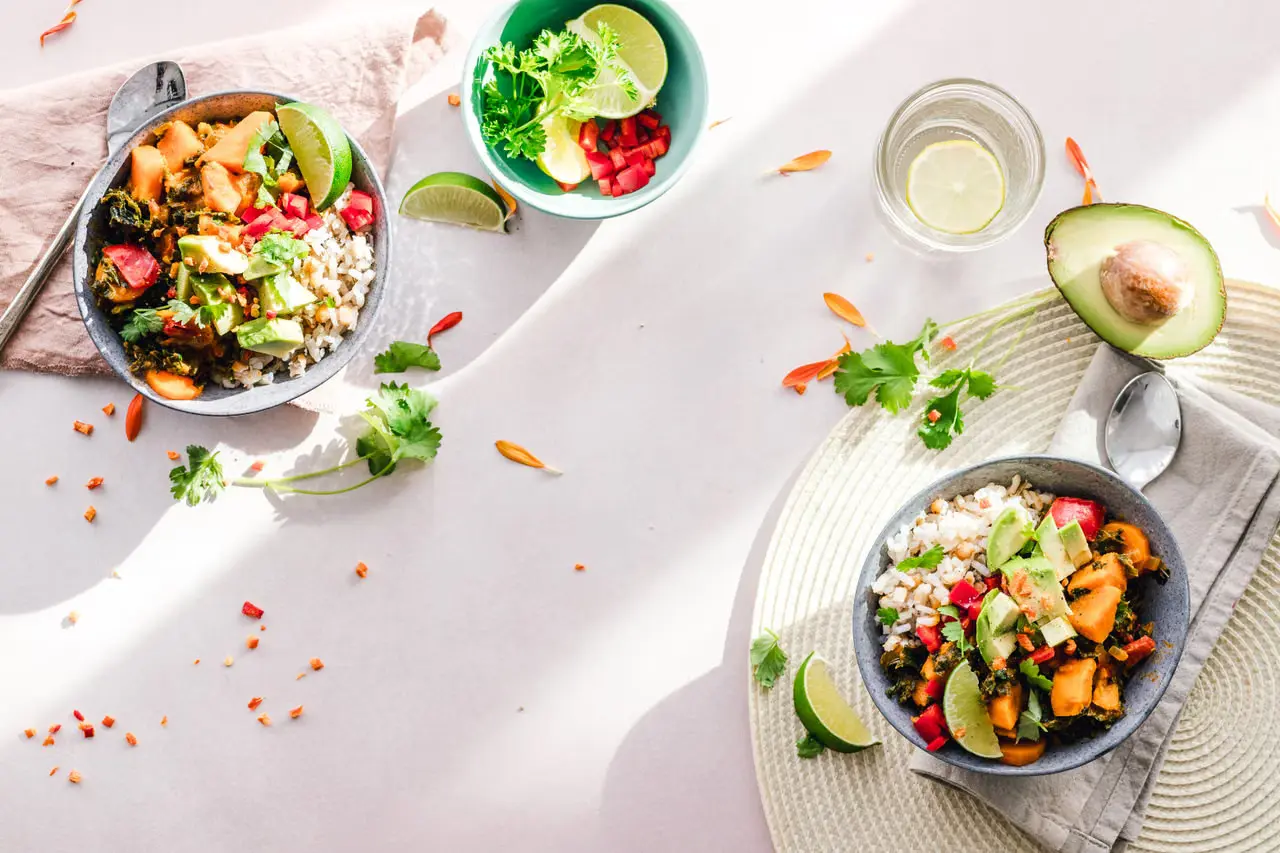 ARTICLEFoods for Better Health: What Actually Deserves a Place in Your Diet?Skip the superfood ranking. These are the food patterns and categories that consistently earn attention in a balanced diet.→
 ARTICLEHealthy Habits That Stick: A Practical Beginner’s FrameworkA practical framework for building healthier routines around movement, nutrition, sleep and recovery without trying to change everything at once.→
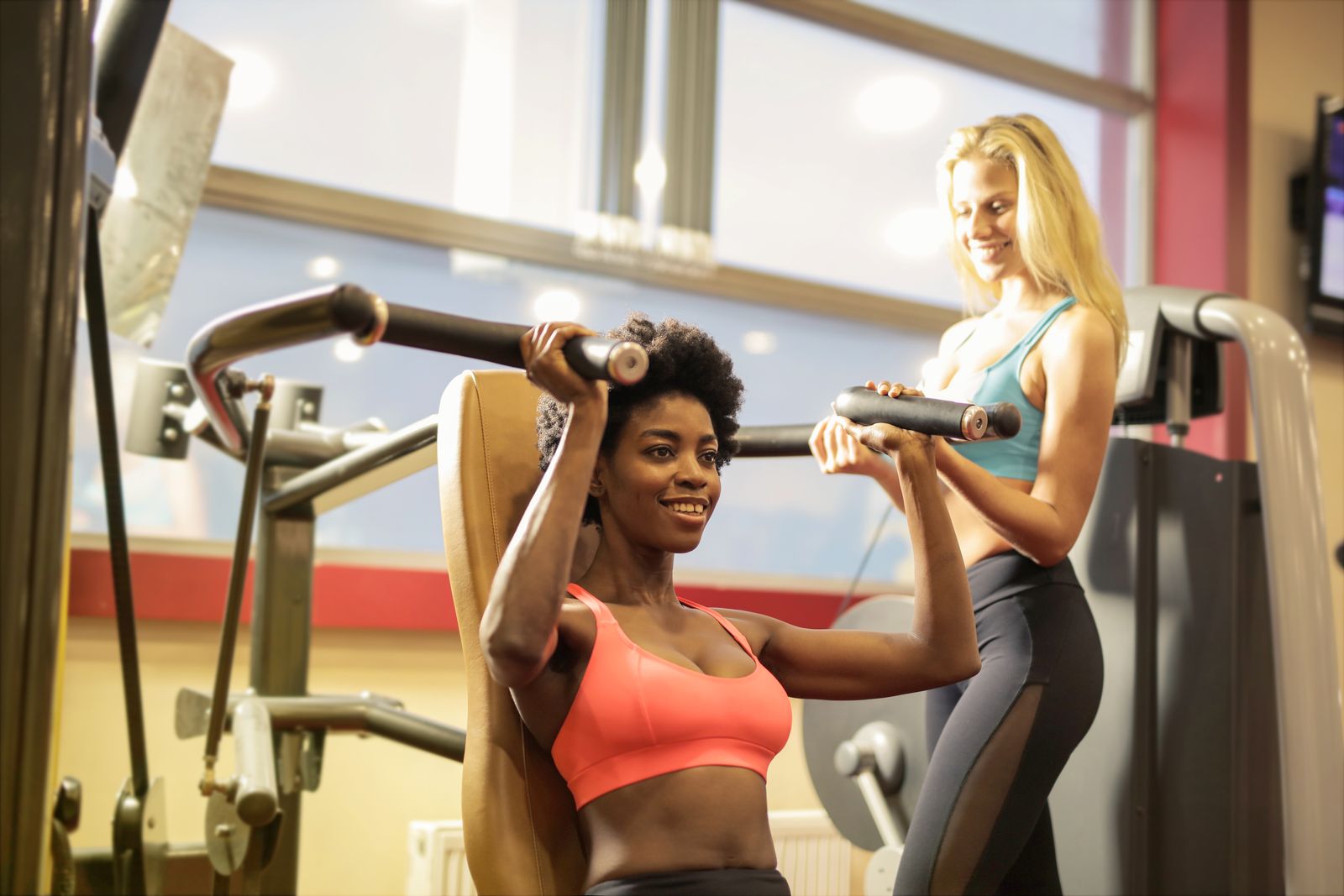 ARTICLEDo You Need Heavy Weights to Build Muscle After 40?No single rep range owns muscle growth. Heavier loads are useful for strength, while moderate and lighter loads can also build muscle when sets are challenging enough.→
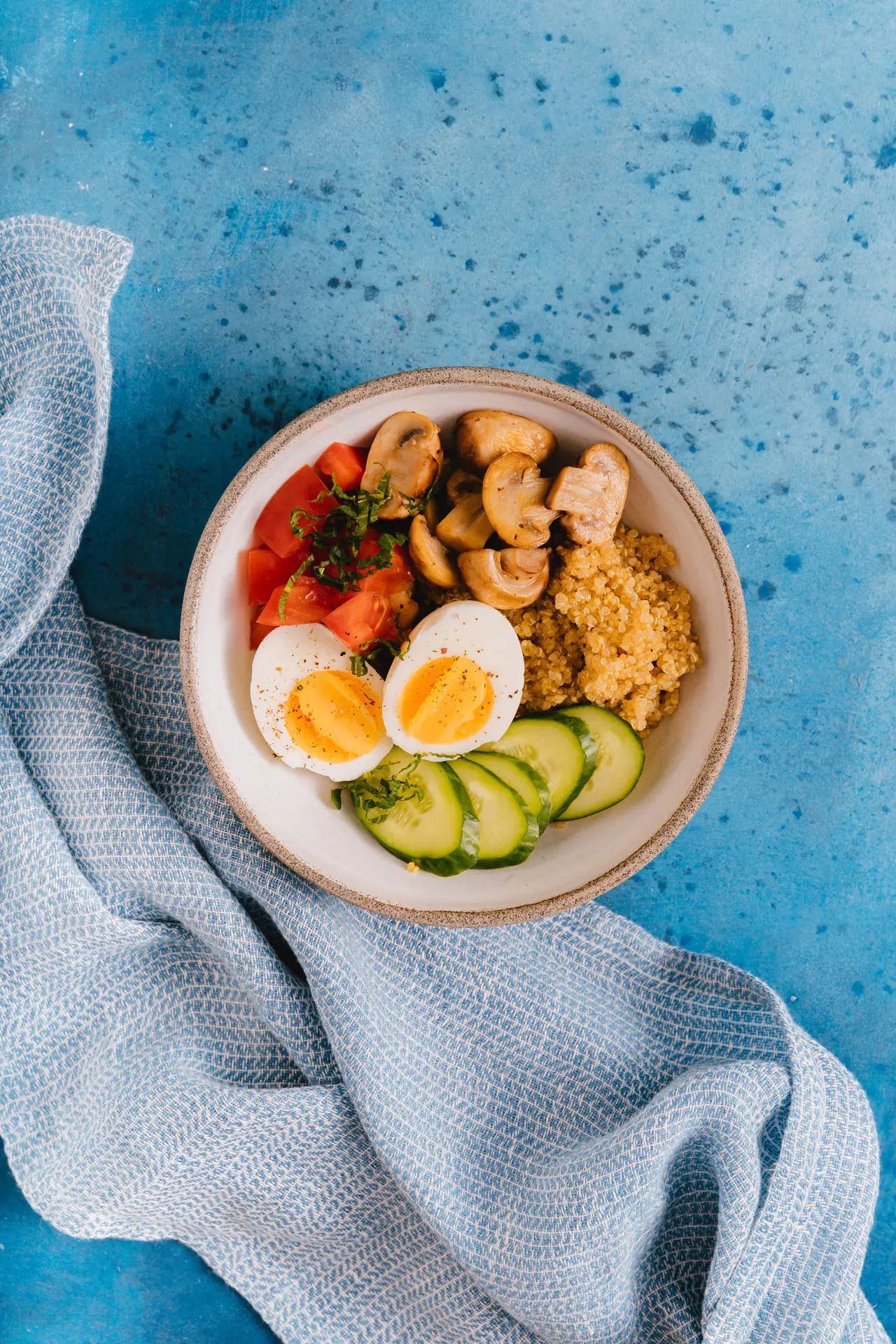 ARTICLEHigh-Protein Breakfasts: Practical Ideas That Actually HelpPractical breakfast ideas that make protein easier to reach without turning breakfast into a supplement routine.→
 ARTICLEHigh-Protein Foods: A Practical Everyday GuideA practical guide to protein-rich foods, simple meal building, plant and animal protein sources, and when protein powder may be useful.→
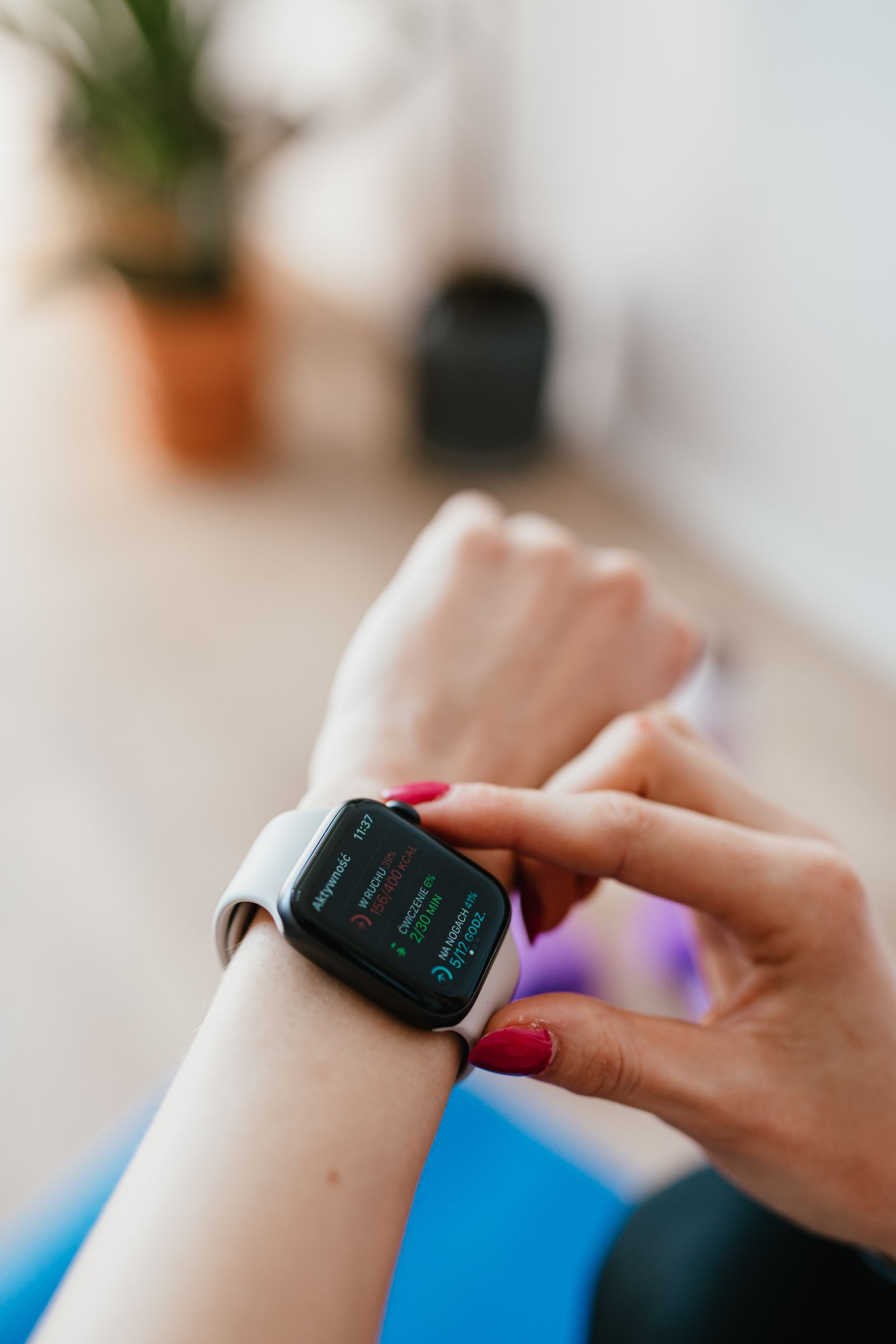 ARTICLEHow Long Does It Take to Build Muscle After 40?Strength can improve before visibly larger muscles appear. The useful timeline is measured in months, not in a promised number of pounds per week.→
 ARTICLEHow Much Muscle Do We Actually Lose With Age?Age-related muscle loss is real, but headline percentages hide enormous differences in activity, illness, nutrition and starting fitness.→
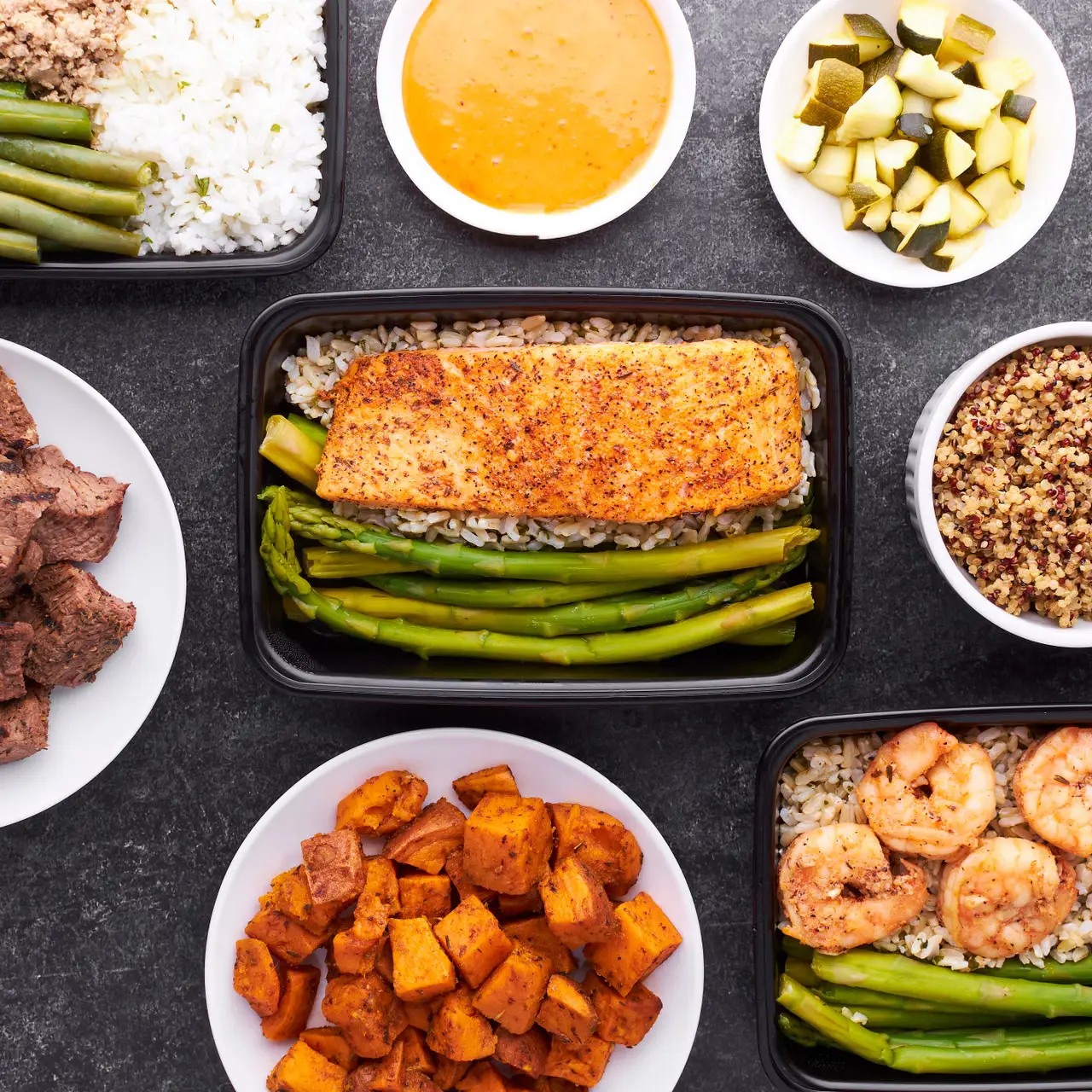 ARTICLEDaily Hydration: How Much Water Do You Really Need?Hydration needs vary with body size, food, climate and activity. Here’s a practical way to think about daily water without obsessing over one magic number.→
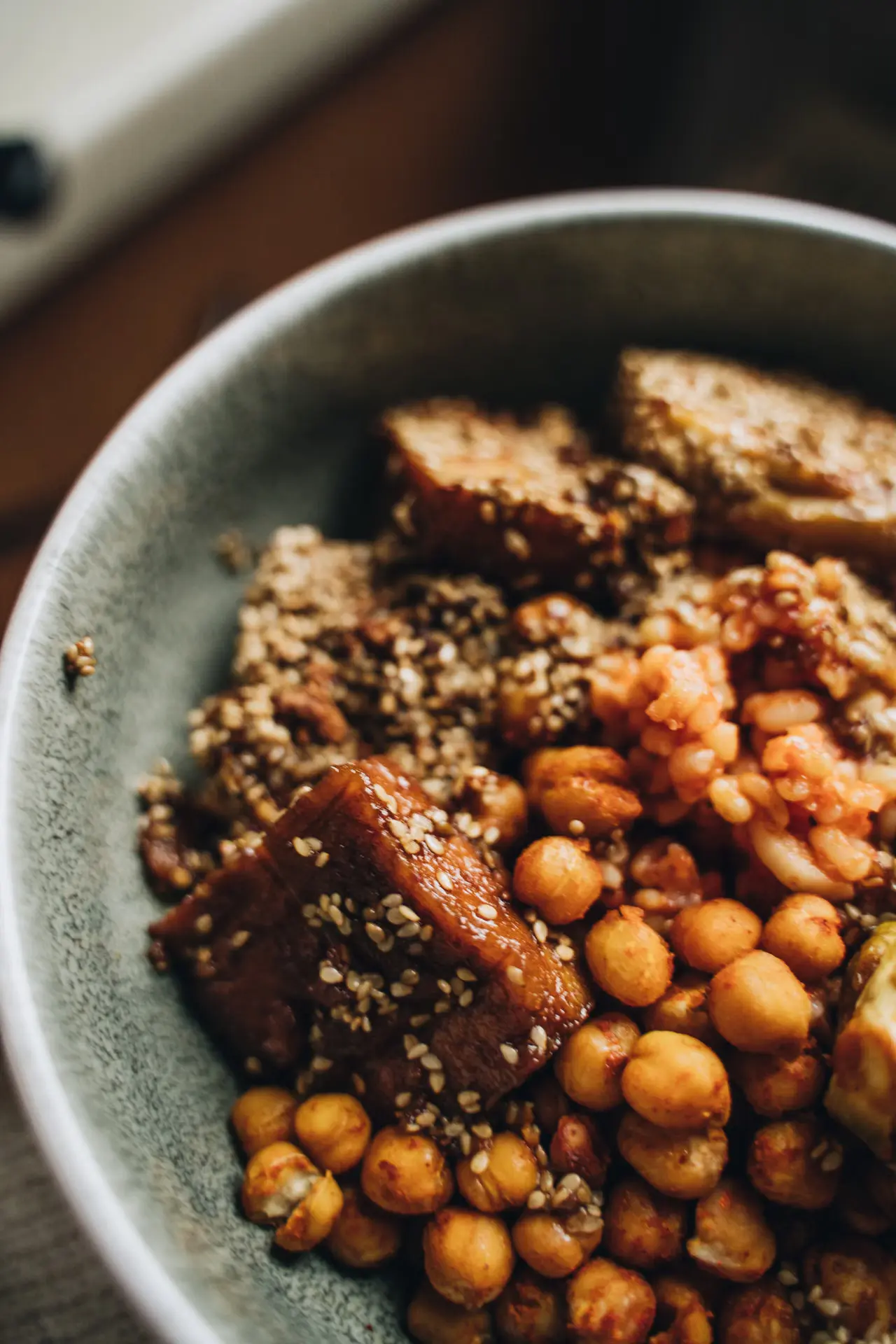 ARTICLEBelly Fat: What Actually Helps?No food selectively burns abdominal fat. The useful question is what actually helps reduce body fat and improve metabolic health.→
 ARTICLEHow Quickly Should You Increase Fiber?Going from very little fiber to a “perfect” intake overnight is a common way to feel worse. The digestive system usually handles gradual changes better.→
 ARTICLEInflammation Explained: What It Is and Why It MattersInflammation is not automatically bad. Acute inflammation helps protect and repair the body; chronic inflammation is a different problem.→
 ARTICLELemon Water and Metabolism: Evidence vs HypeLemon water is a pleasant way to drink water and adds a small amount of vitamin C. There is no convincing evidence that the drink meaningfully “boosts metabolism.”→
 ARTICLEHow Can You Tell If You're Losing Muscle While Losing Weight?No home metric can perfectly separate fat from muscle. Strength trends, training performance and sensible body-composition measurements can tell a more useful story together.→
 ARTICLEWhat Actually Helps Lower LDL Cholesterol Naturally?The useful answer is not one “cholesterol-lowering superfood.” It is a handful of dietary and lifestyle changes with different levels of evidence and impact.→
 ARTICLEMagnesium Supplements: Which Claims Actually Have Evidence?Magnesium is essential. That does not mean extra magnesium treats every problem attached to it online—from sleep and stress to cramps and blood sugar.→
 ARTICLEMagnesium Supplements vs Magnesium-Rich FoodsFoods deliver magnesium without the concentrated-dose risks of supplements. Supplements are useful when intake is inadequate or a specific clinical reason exists.→
 ARTICLEMagnesium Glycinate vs Citrate: Which Should You Choose?Magnesium forms differ in chemistry and gastrointestinal effects, but marketing often claims much more than comparative clinical evidence can support.→
 ARTICLEIs Magnesium Glycinate Worth It for Sleep?Magnesium glycinate is heavily marketed for sleep. Here is what the evidence supports, what remains uncertain, and whether the cost is justified.→
 ARTICLEMagnesium for Sleep: What the Evidence Really ShowsMagnesium is one of the most popular sleep supplements. The evidence is much less certain than the marketing often suggests.→
 ARTICLEDoes Magnesium Actually Help You Sleep?Magnesium is heavily marketed for sleep. Human trials suggest possible benefit in some groups, but the evidence is limited and inconsistent.→
 ARTICLEAre Massage Guns Worth It?Massage guns can temporarily improve range of motion and may help some people feel less sore. The evidence does not show that they rebuild tissue or replace rehabilitation.→
 ARTICLEMelatonin for Adults: When Does It Help Sleep?Melatonin is one of the most familiar sleep supplements, but its usefulness depends heavily on what sleep problem you are trying to solve.→
 ARTICLEMenopause Supplements: Which Claims Actually Have Evidence?Hot-flash, sleep, mood, weight and “hormone balance” products are often sold in the same bottle. The evidence is not equally strong for those claims.→
 ARTICLEMorning Light and Sleep: Why Timing MattersMorning light is a powerful timing cue for the circadian system, but “10 minutes of sunlight fixes sleep” is an oversimplification.→
 ARTICLEDoes Morning Light Actually Help You Sleep Better?Light is one of the strongest environmental signals for your body clock. Timing matters more than the vague advice to simply “get sunlight.”→
 ARTICLEDoes Mouth Taping Improve Sleep?The trend has far more certainty online than it has in clinical research. Mouth taping may also be unsafe for people with nasal obstruction or sleep-disordered breathing.→
 ARTICLEWhat Nutrition Research Is Talking About This WeekA recent diet intervention offers a useful reminder: healthier eating can change food preferences even when short-term appetite and glucose markers do not dramatically move.→
 ARTICLEDo Omega-3s Actually Work? What the Evidence ShowsOmega-3s are important fats, but supplement claims often go further than the evidence. Here’s where benefits are clearest and where expectations should stay modest.→
 ARTICLEOral Probiotics for Teeth & Gums: What Does the Evidence Say?Do oral probiotics help teeth, gums or the oral microbiome? Fitness World reviews the emerging evidence, realistic limits and how probiotics fit alongside standard dental care.→
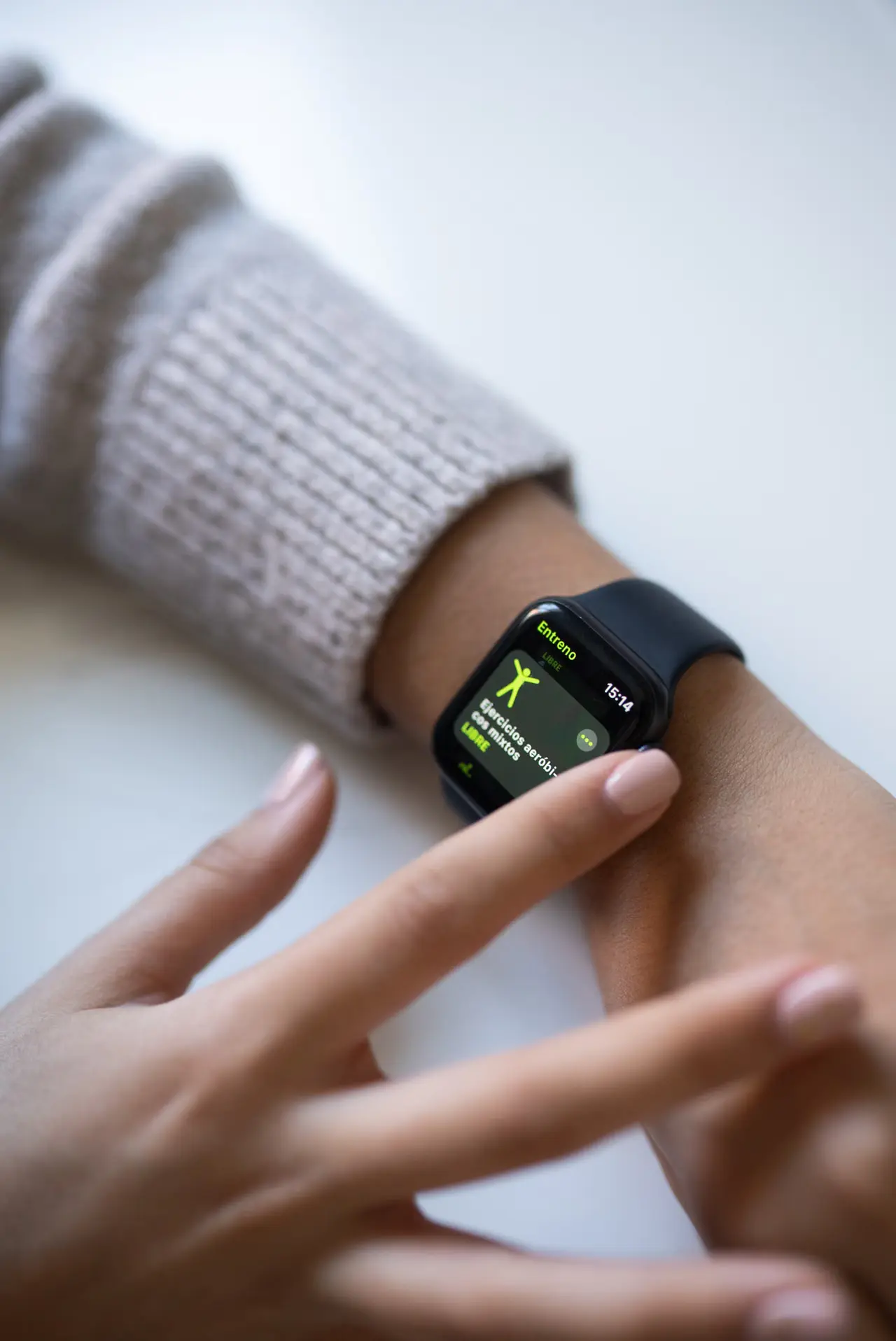 ARTICLEIs an Oura Ring Worth It for Sleep?The value of a smart ring depends less on whether it produces data and more on whether the data changes something useful about your behavior.→
 ARTICLEPeptides Are Everywhere. Here’s What You Actually Need to Know in 2 MinutesPeptides are trending across wellness. Learn the key difference between approved medicines, skincare peptides and unapproved injectable products.→
 ARTICLEPower Training After 50: Does Moving Weights Faster Matter?Strength helps you produce force. Power adds speed — the ability to produce force quickly. That can matter for real-world tasks, but it does not mean every older adult should train explosively.→
 ARTICLEPrebiotics vs Probiotics: What’s the Difference, and Do You Need Either?Prebiotics feed microbes. Probiotics are live microorganisms intended to provide a benefit. Neither word guarantees that a product will improve your gut.→
 ARTICLECan You Preserve Muscle While Losing Weight?Weight loss does not come exclusively from body fat. Resistance training and adequate protein can shift the result toward better muscle preservation.→
 ARTICLEProbiotic Supplements vs Fermented Foods: Which Makes More Sense?Fermented foods and probiotic supplements are often discussed as though they are interchangeable. Scientifically, they are not.→
 ARTICLEHow to Protect Muscle While Losing Weight on GLP-1 MedicationWeight loss from GLP-1 therapy is mostly fat, but some lean tissue is lost too. The practical goal is not zero lean-mass change; it is preserving muscle and function as well as possible.→
 ARTICLEHow Much Protein Do You Need After 40?Protein matters for maintaining and building muscle as we age, but the useful target depends on training, total intake, health and the rest of the diet.→
 ARTICLEAre Protein Bars Worth It?Protein bars are convenience food with a health halo. Some are useful; some are expensive candy bars with extra protein.→ARTICLEProtein at Breakfast After 40: When Meal Timing HelpsBreakfast is often the lowest-protein meal of the day. Raising it can be useful, but the evidence does not make breakfast protein a magic muscle-preserving rule.→
 ARTICLEProtein for Muscle: How Much Is Enough?More protein can support muscle growth when you resistance train — but the benefit does not keep rising forever.→
 ARTICLECan You Get Enough Protein on a GLP-1 Without Protein Shakes?Protein powder is convenient, not compulsory. A food-first approach can work if smaller meals still add up to enough protein across the day.→
 ARTICLEProtein and Menopause: What Changes and What Doesn’t?Menopause can change the context around muscle, appetite and bone health. It does not create a separate protein physiology that makes ordinary food rules obsolete.→
 ARTICLEProtein on GLP-1s: How Much Actually Matters?Protein becomes more important when appetite is suppressed, but forcing an extreme target can make an already small food intake harder to manage.→
 ARTICLEProtein Powder vs Food: Do You Actually Need a Supplement?Protein powder is convenient, but it is not nutritionally magical. The right choice depends on whether food already covers your needs.→
 ARTICLEDo You Need Protein Shakes While Taking a GLP-1?A shake can solve a convenience problem. It is not a mandatory companion product for GLP-1 medication.→
 ARTICLEProtein Timing After 40: Does It Matter?Total daily protein and resistance training do most of the heavy lifting. Timing can help, but it should organize a good diet rather than distract from one.→
 ARTICLEProteinmaxxing Is Everywhere. Do You Really Need That Much Protein?Proteinmaxxing is everywhere. Here is what protein does, why needs vary, and why more is not automatically better.→
 ARTICLEPsyllium vs Chia Seeds: Which Is the Better Fiber Source?Psyllium is a concentrated soluble-fiber tool. Chia is a whole food that brings fiber plus fat, minerals and calories. “Better” depends on the job.→
 ARTICLEPsyllium vs Other Fiber Supplements: What’s the Difference?“Fiber supplement” is a category, not one ingredient. Psyllium, inulin, methylcellulose and wheat dextrin behave differently in the gut and have different evidence.→
 ARTICLERecovery Scores: Helpful Signal or False Precision?Recovery scores combine imperfect inputs into one confident-looking number. They can be a useful prompt, but they should not overrule symptoms, performance and context.→
 ARTICLEAre Red-Light Therapy Devices Worth It?Photobiomodulation is a real research field, but a positive result for one wavelength, dose and condition does not validate every red-light panel sold online.→
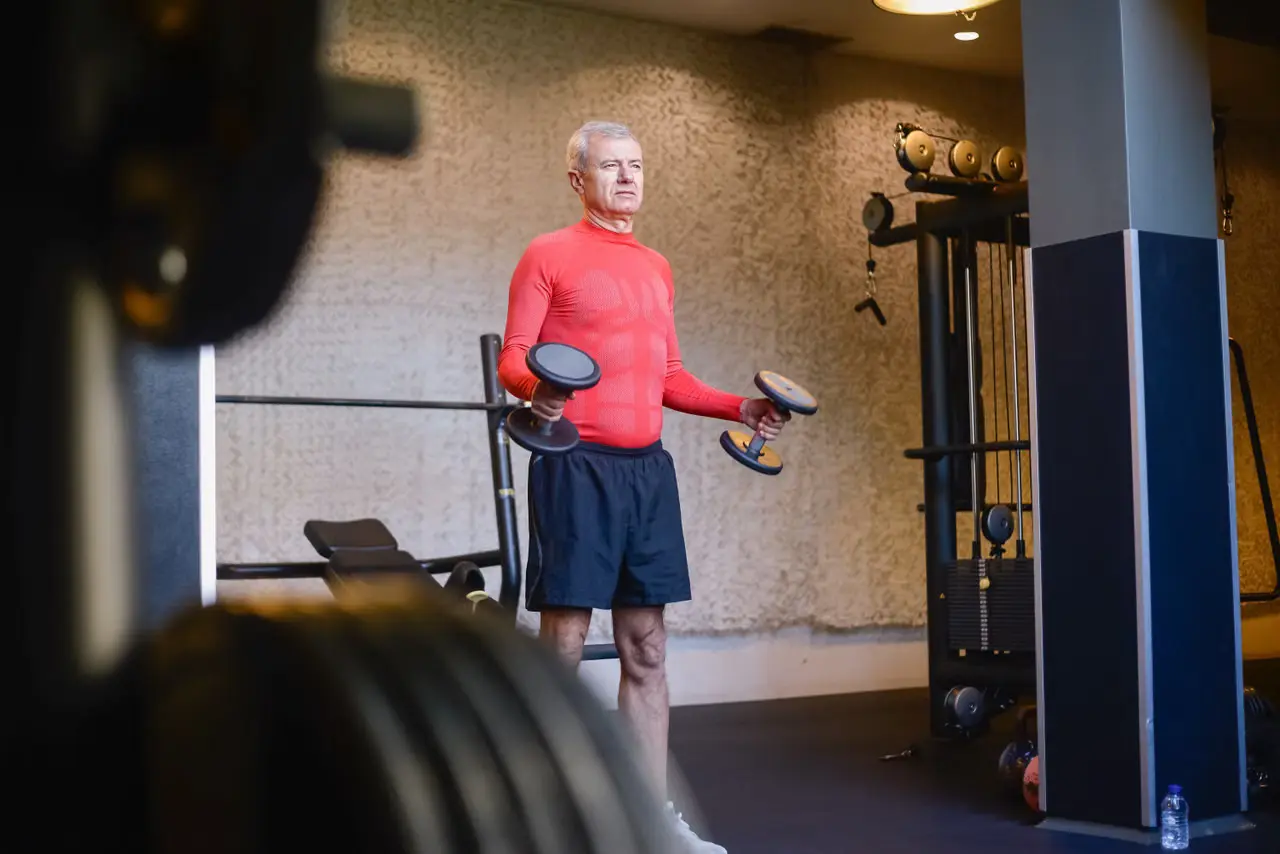 ARTICLECan You Regain Muscle You've Lost After 50?Muscle lost through age, inactivity or a long break is not automatically gone for good. Older muscle can still respond to progressive resistance training.→
 ARTICLEResistance Bands vs Weights After 40Both can create resistance. Weights are easier to load precisely; bands are portable and joint-friendly for many movements.→
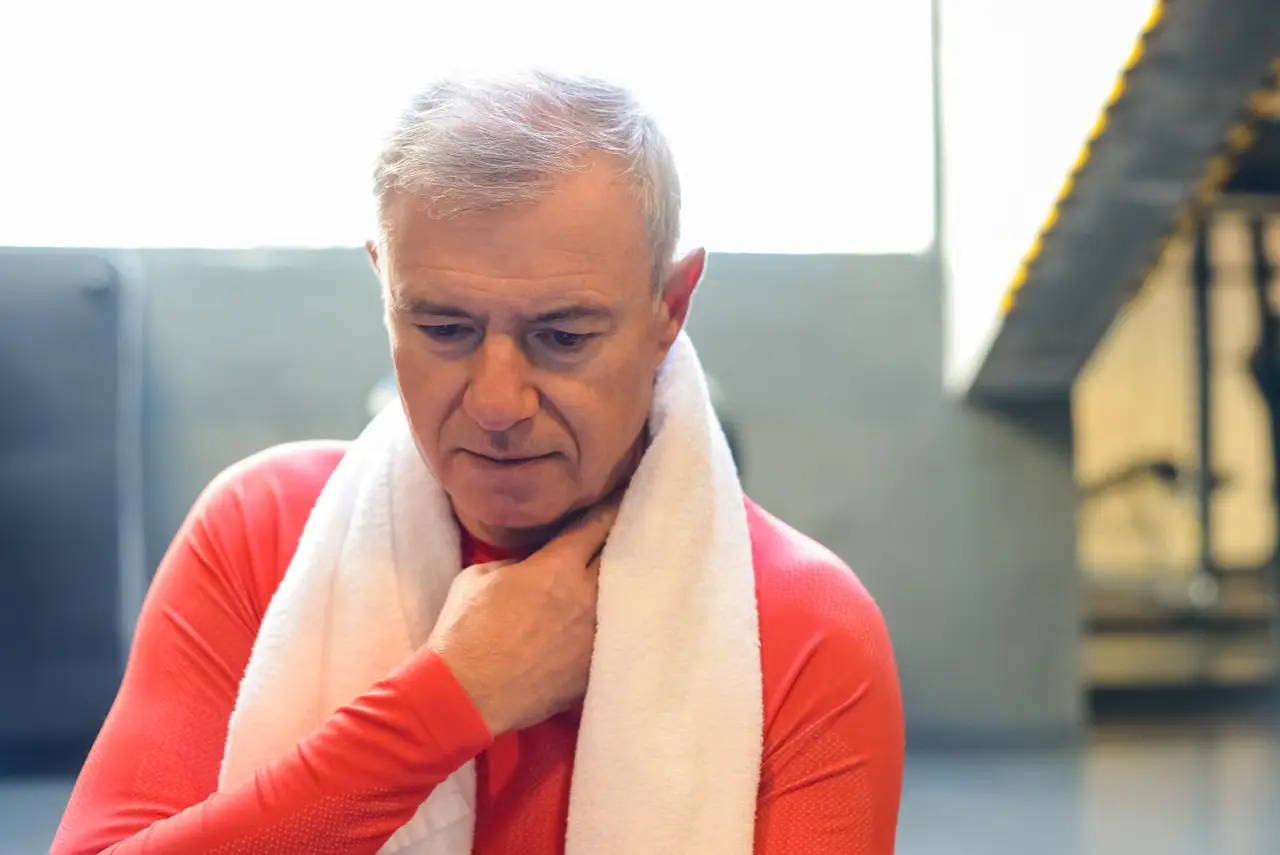 ARTICLEHow Long Should You Rest Between Sets After 40?Short rests make workouts feel harder. Longer rests can help preserve performance. The best choice depends on whether the goal is strength, muscle or simply getting the session done.→
 ARTICLEResting Heart Rate: What Does Your Wearable's Number Actually Tell You?Resting heart rate is one of the more dependable signals consumer wearables collect. The trend is usually more informative than chasing a universal 'perfect' number.→
 ARTICLESeed Oils: What Human Studies ShowSeed oils are often blamed for inflammation and chronic disease online. The evidence does not support treating common seed oils as inherently toxic.→
 ARTICLESleep and Recovery Basics: Practical Habits for Better RestA practical guide to sleep and recovery, including consistent sleep times, bedroom habits, caffeine timing and when poor sleep deserves attention.→
 ARTICLECan You Trust the Sleep Stages on Your Watch or Ring?Consumer wearables can be useful for sleep trends, but “deep sleep” and “REM” estimates are not the same thing as a sleep-lab measurement.→
 ARTICLESmart Ring vs Fitness Watch: Which Health Data Actually Matters?Rings are easier to sleep in; watches are usually better training companions. The best choice depends on which behavior you want the device to support.→
 ARTICLEHow Accurate Is Your Smartwatch Step Count?Step counts are one of the more useful wearable metrics, but different devices and wear locations can still disagree by hundreds—or more—steps per day.→
 ARTICLESoluble vs Insoluble Fiber: What Actually Matters?The labels are useful, but foods contain mixtures and different fibers behave differently. “Get enough fiber from varied foods” matters more than micromanaging two buckets.→
 ARTICLEStrength Training After Menopause: What Actually Matters?The useful question is not whether women can get stronger after menopause. They can. The question is how to train in a way that protects strength, muscle and function over time.→
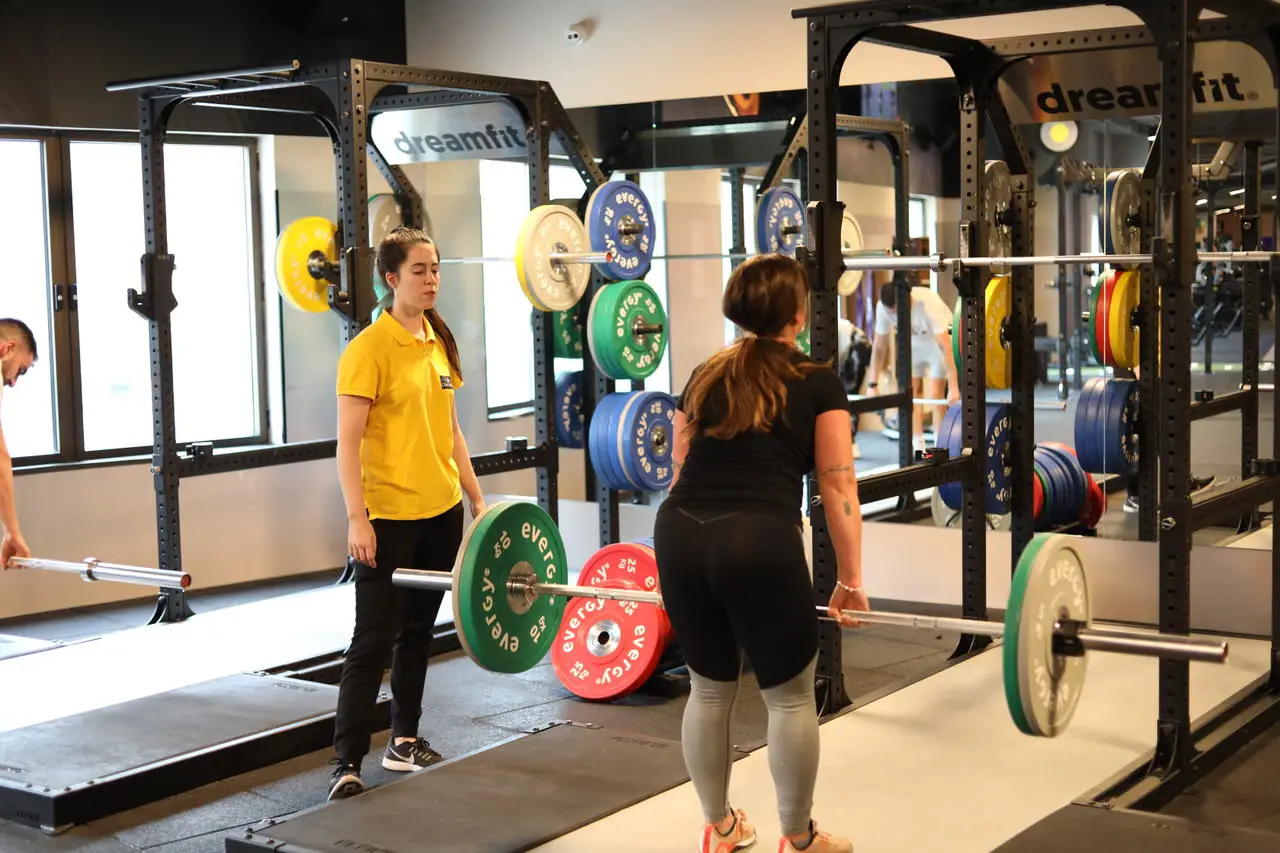 ARTICLEHow Often Should You Strength Train to Actually See Results?You do not need to lift every day. Consistent resistance training at least twice a week is a strong evidence-based starting point for health and strength.→
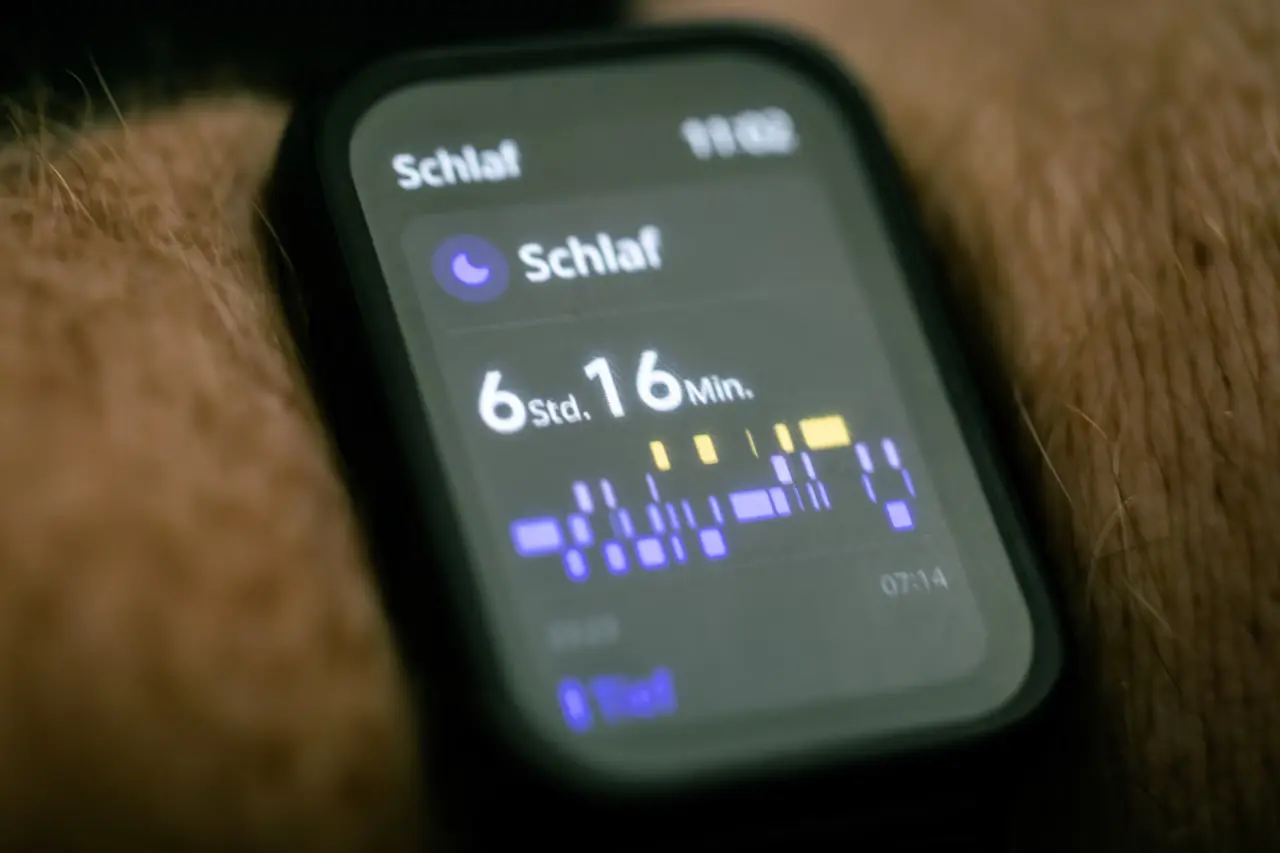 ARTICLEStrength Training While Taking GLP-1s: Why It MattersWhen body weight is falling, resistance training gives the body a reason to keep muscle. That is a different job from simply burning more calories.→
 ARTICLEDo Women Need Different Supplements After 40?Age and menopause can change nutrient priorities, but they do not create a universal supplement stack. Needs still depend on diet, health, medications and measured deficiencies.→
 ARTICLEProteinmaxxing, Sardine Girl Summer, GLP-1 Foods & More: 5 Wellness Trends Worth Knowing This WeekFive wellness conversations worth knowing this week, including proteinmaxxing, sardines, GLP-1 food marketing, peptides and functional foods.→
 ARTICLEIs Two Strength Workouts a Week Enough?For many adults, yes — especially if the sessions train the major muscle groups and become progressively more challenging.→
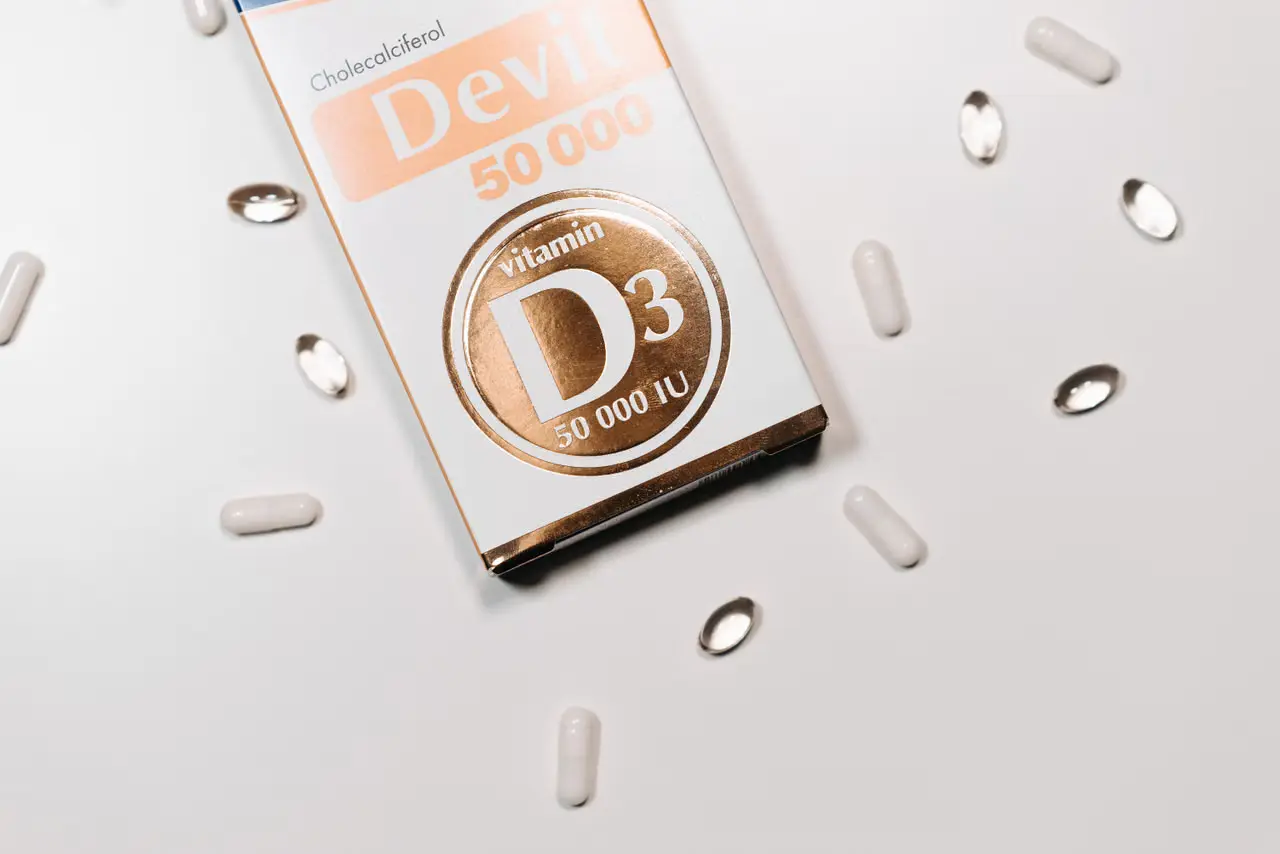
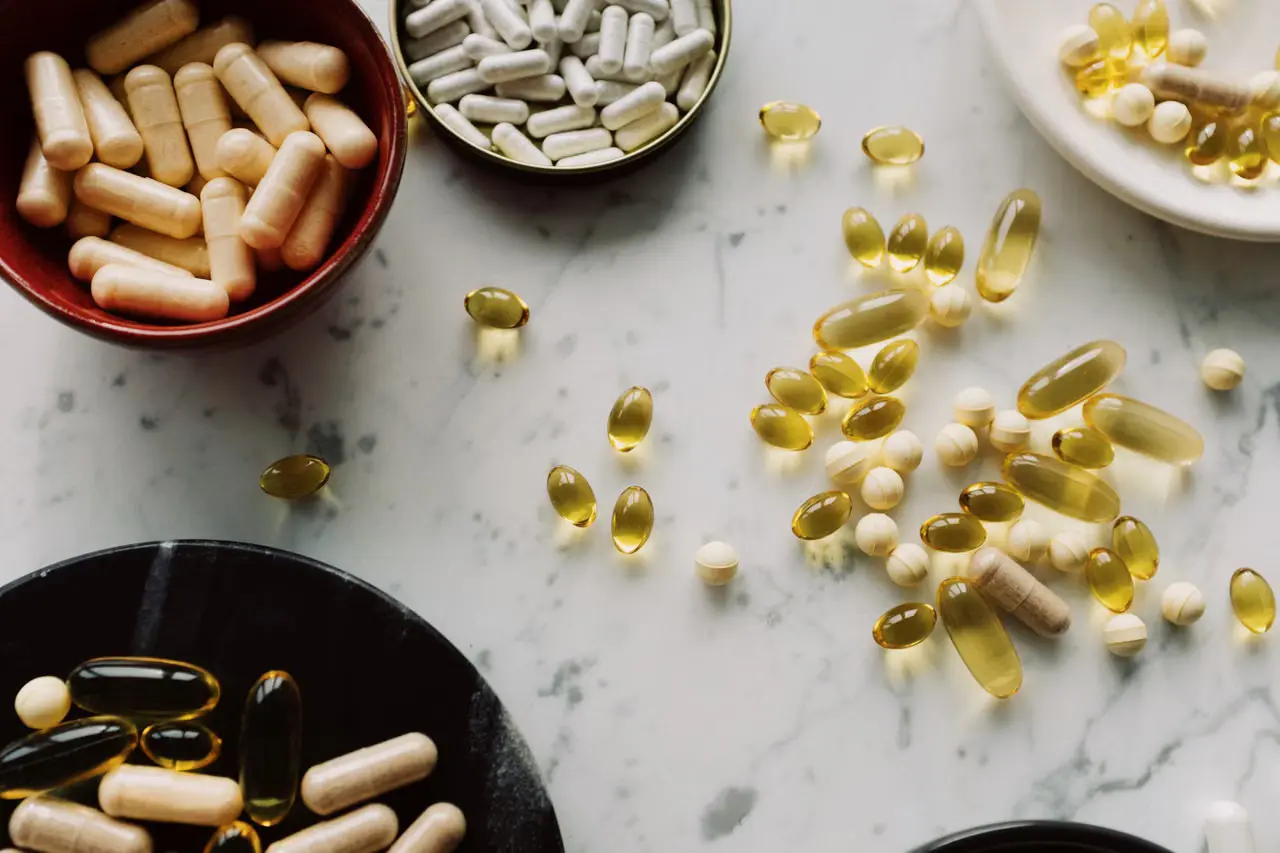 ARTICLEVitamin D Supplements: Who Actually Needs Them?Vitamin D matters for health, but routine high-dose supplementation and routine blood testing are not recommended for every healthy adult.→
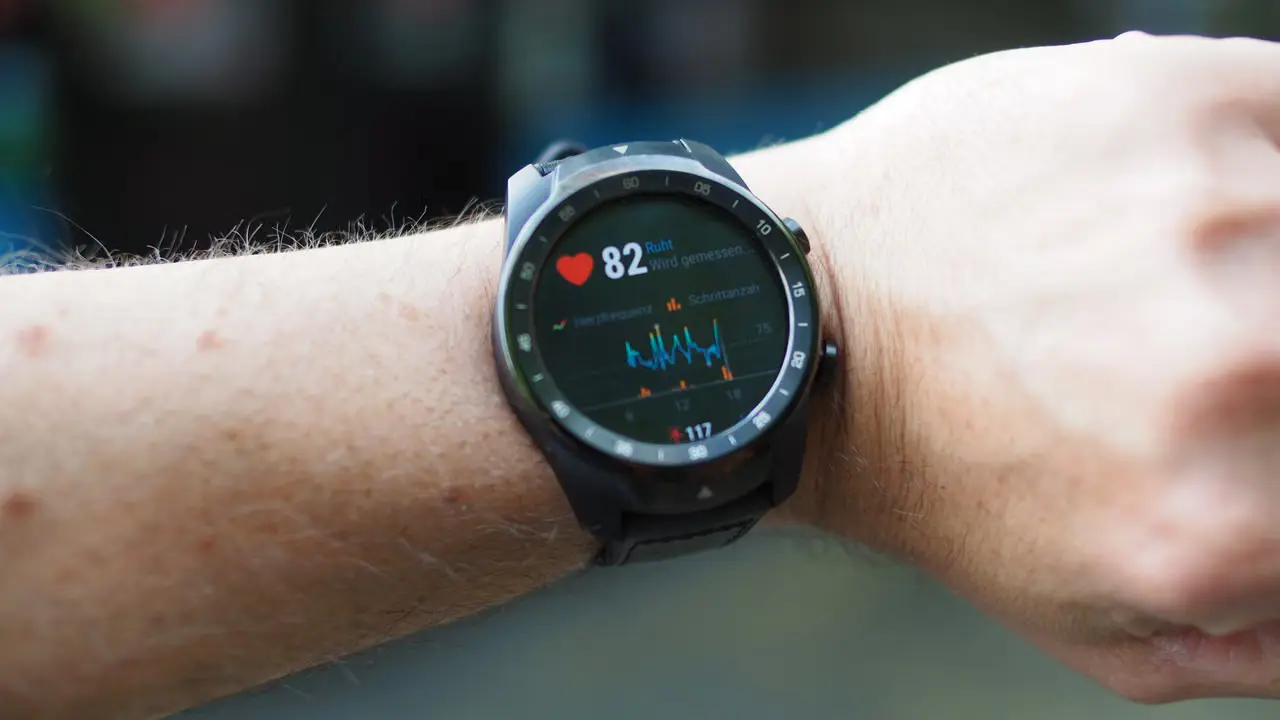 ARTICLEVO₂ Max on Your Watch: What the Estimate Can Tell YouA watch can estimate aerobic fitness without a laboratory test. The trend can be useful, but the displayed VO₂ max is still an estimate with meaningful individual error.→
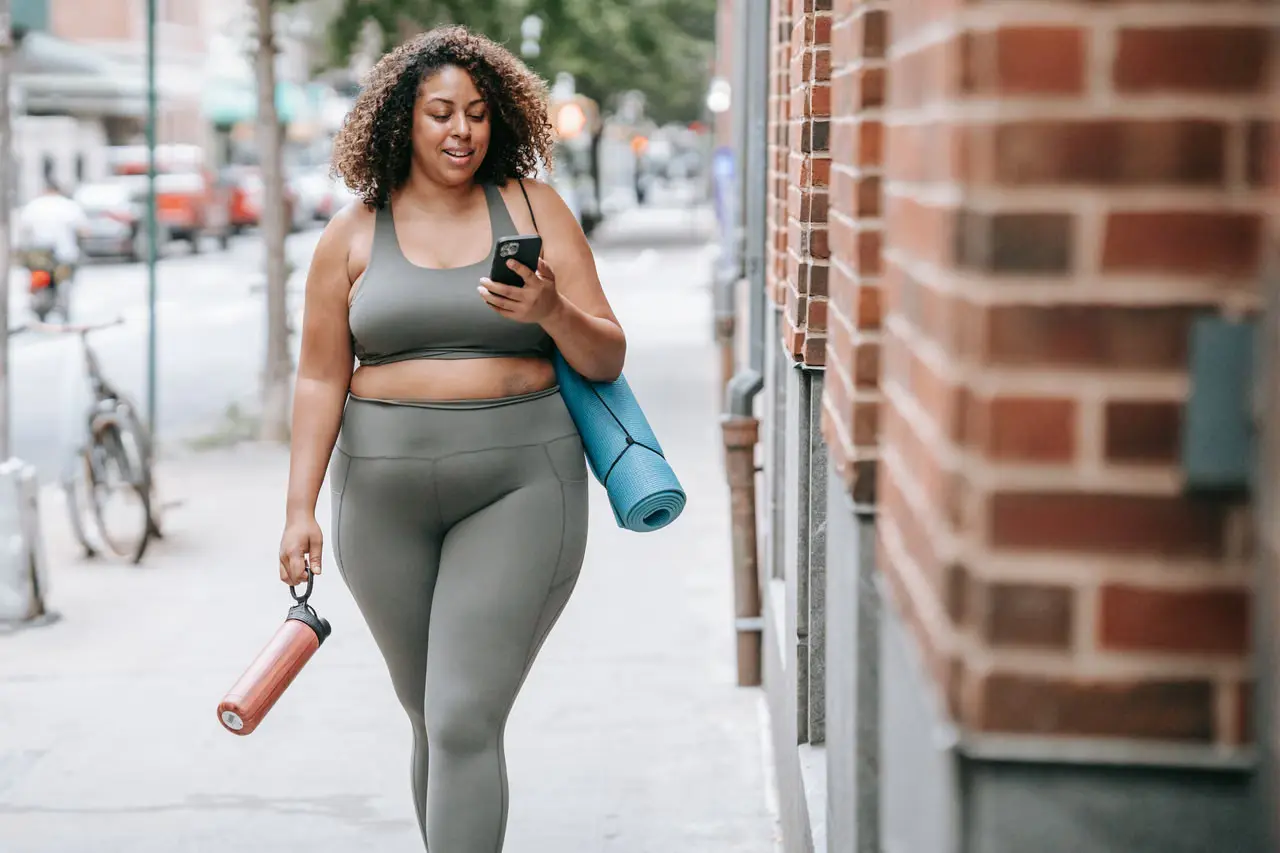 ARTICLEWalking After Meals: Effects on Blood SugarA short walk after eating can reduce the immediate rise in blood glucose. Here’s what the research supports — and how to use the habit realistically.→
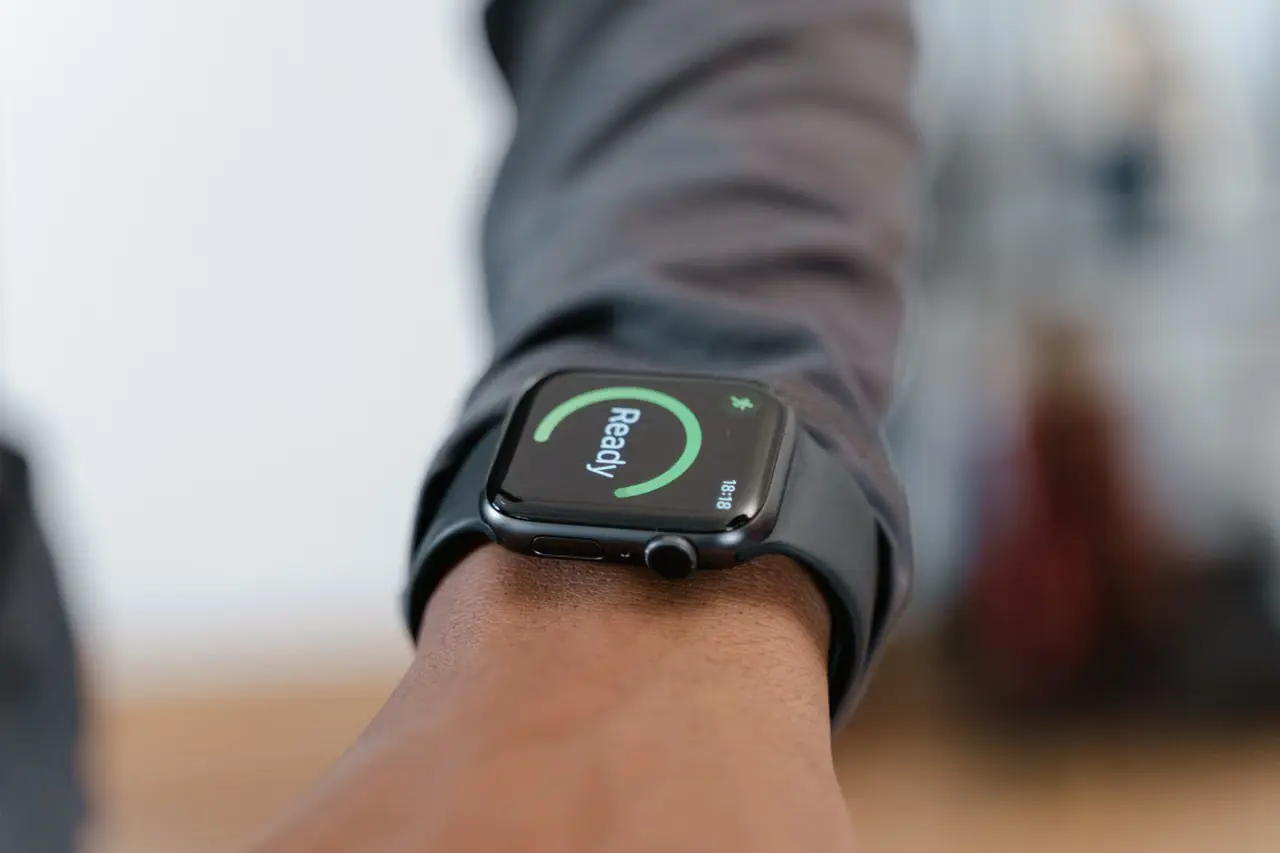 ARTICLEWalking Is Healthy, but Is It Enough to Preserve Muscle?Walking is excellent movement. It is not a complete substitute for progressive resistance when the goal is preserving strength and muscle.→
 ARTICLEAre Walking Pads Worth It?A walking pad does not make walking more effective. It can make walking easier to fit into a day — which may be enough to make it valuable.→
 ARTICLEWalking vs Strength Training After 40: Do You Need Both?Walking and lifting solve different problems. Treating them as competitors misses why a well-rounded plan usually includes both.→
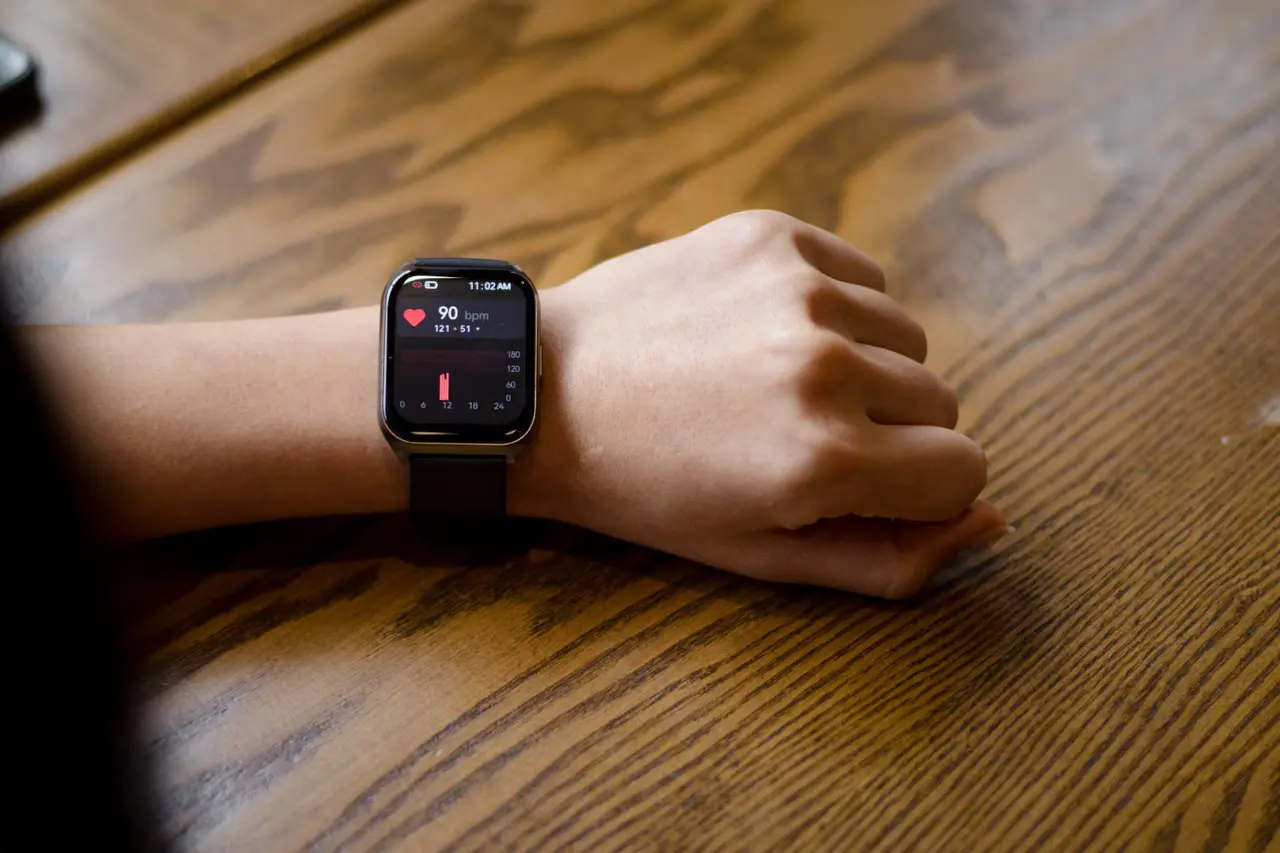 ARTICLEShould You Trust Your Wearable's 'Fitness Age'?Fitness-age scores compress several inputs into one attractive number. They can motivate behavior, but they are not a validated measurement of how old your body really is.→
 ARTICLEHeart Rate Variability: Is Your Wearable’s HRV Score Useful?HRV can reflect autonomic changes, but it is highly individual. The number becomes more useful when you compare yourself with yourself under similar conditions.→
 ARTICLEThe Wellness Research Worth Knowing This WeekThis week: a new meta-analysis on “exercise snacks,” plus what short bouts of movement may — and may not — do for fitness and cardiometabolic health.→
 ARTICLEWhey vs Plant Protein: Which Is Better?Whey is naturally rich in leucine and highly digestible. Well-formulated plant proteins can still support muscle when total protein and amino-acid quality are adequate.→
 ARTICLEWhy Muscle Becomes More Important After 40Muscle is not only about appearance. It supports strength, mobility, independence and the ability to keep doing ordinary things as the decades pass.→
 ARTICLEZone 2 Cardio Explained in 2 MinutesZone 2 is a popular label for steady aerobic work. Here’s what it means, what the talk test can tell you, and why the exact number is not magic.→
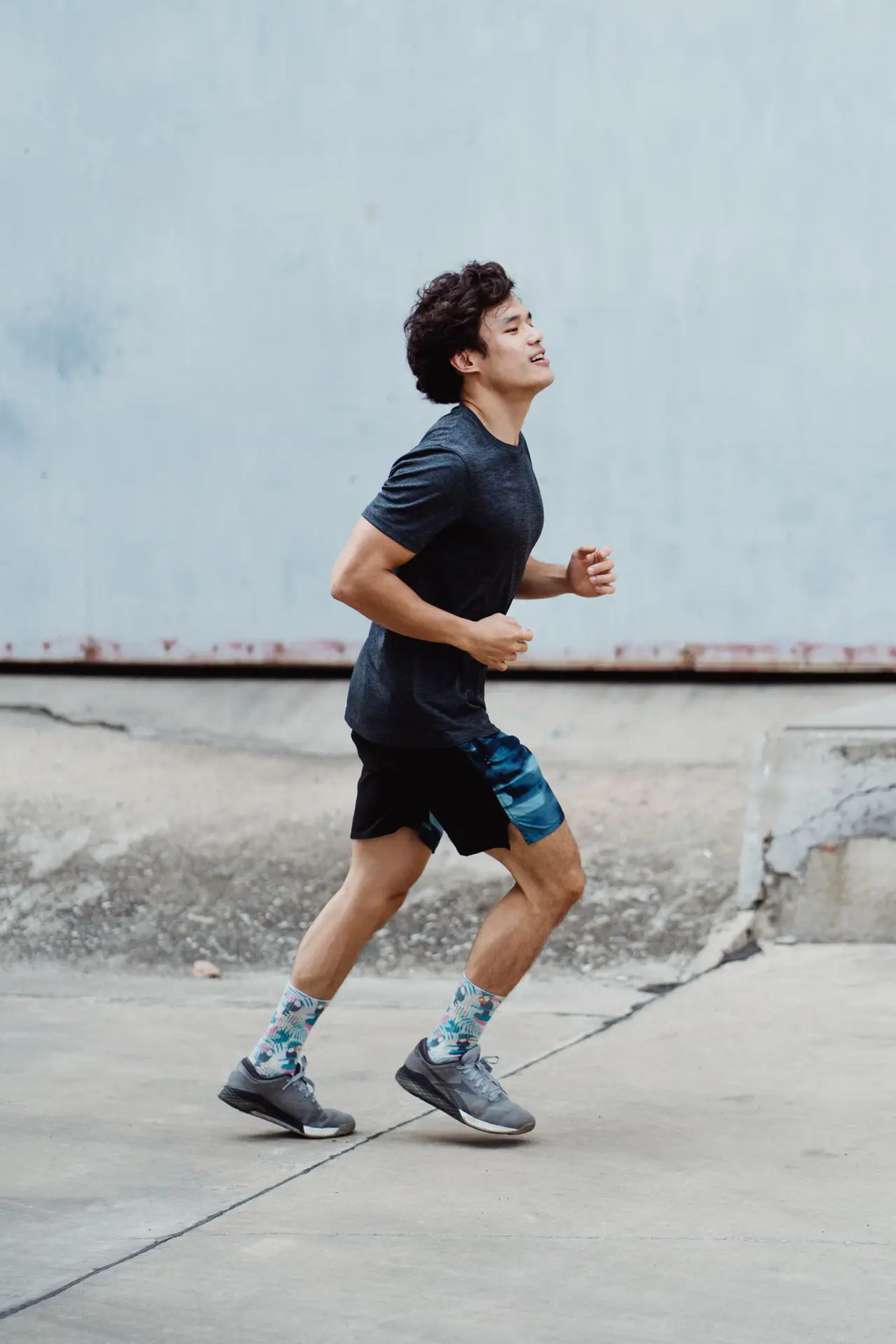 ARTICLEFoods for Erectile Health & Blood Flow: What Does the Evidence Say?Erectile function and blood flow are connected to vascular health. Here is what food can realistically influence — and what it cannot.→
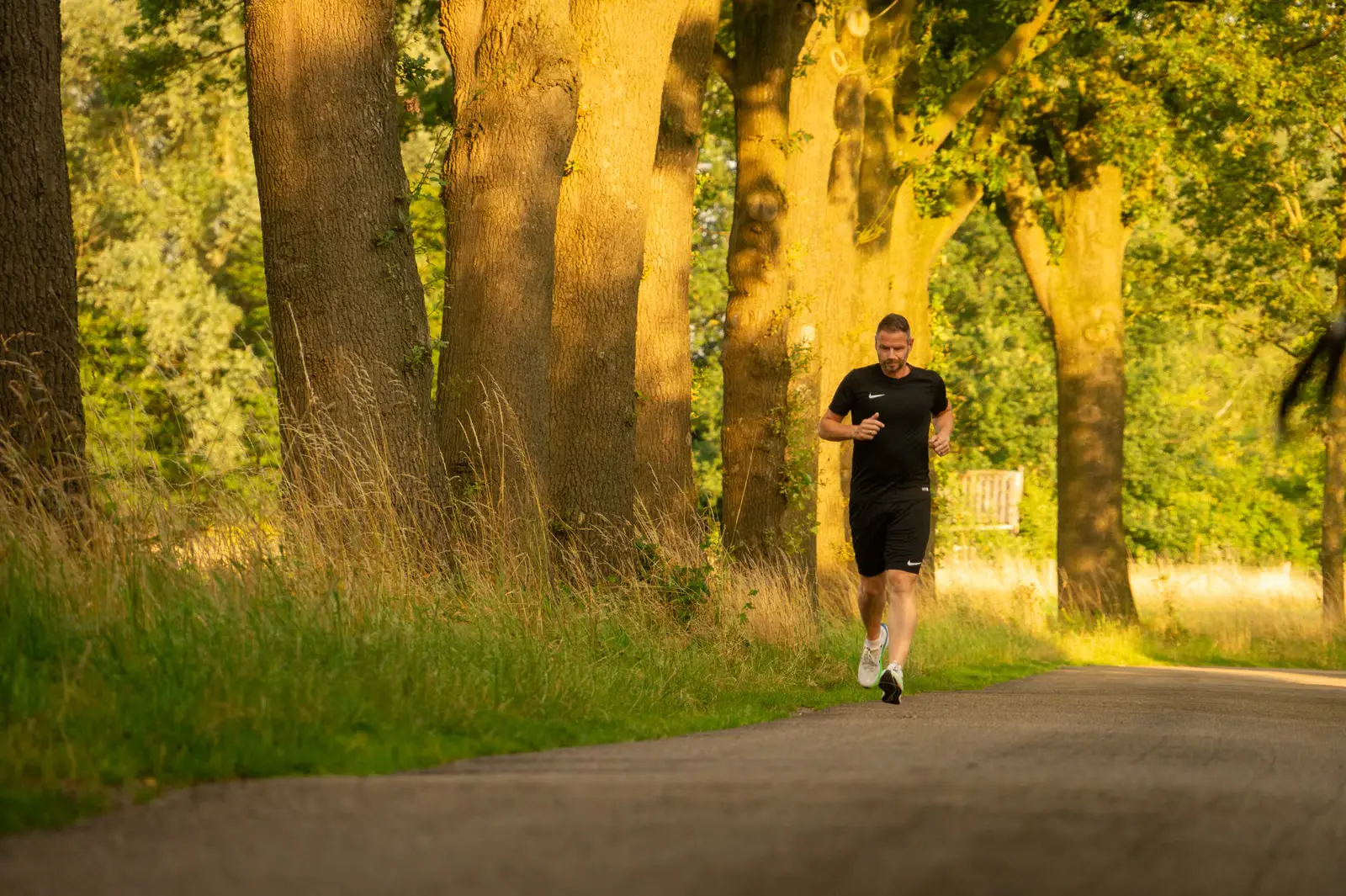 ARTICLENitric Oxide & Erectile Function: What the Evidence SaysNitric oxide is central to normal erection physiology, but that does not make every nitric-oxide supplement an ED treatment. Here is what the evidence can and cannot say.→
 ARTICLEProstate Health After 50: Symptoms, Screening & What Actually HelpsA practical evidence-first guide to prostate health after 50, including urinary symptoms, BPH, when to seek care, lifestyle basics and supplement claims.→
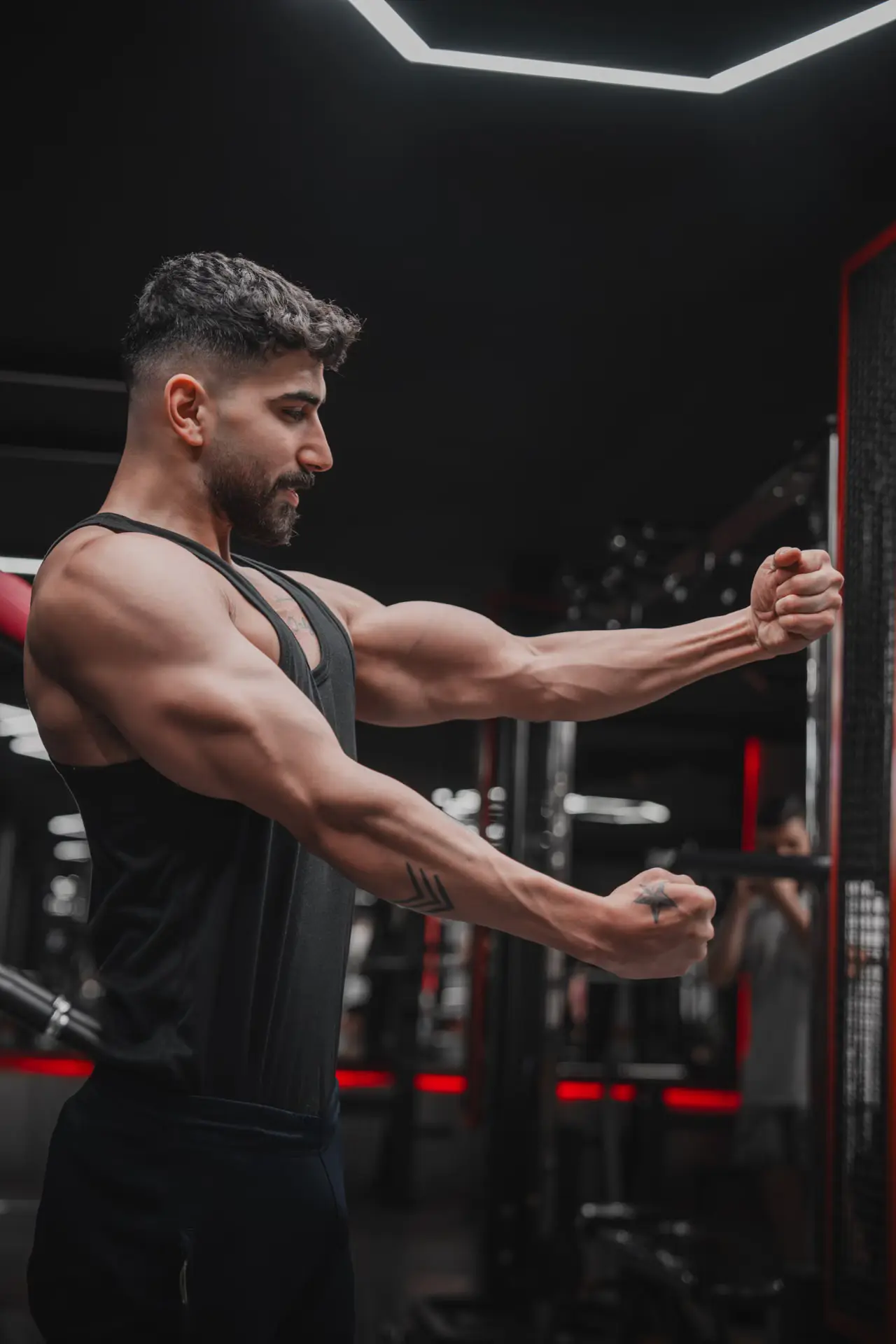 ARTICLETestosterone: What Actually Works?What actually influences testosterone — and where popular food, lifestyle and supplement claims outrun the evidence.→ARTICLENatural Pain Relief: What Does the Evidence Actually Support?Turmeric is not hydrocodone. Ginger is not ibuprofen. Some natural options have evidence for specific symptoms — without being drug equivalents.→ARTICLECan Strength Training Help You Sleep Better as You Age?A September 2026 study in adults ages 64–81 found that 12 weeks of lower-body resistance training improved objective sleep efficiency and total sleep time. Here’s what it means — and what it does not prove.→
NO MATCHES
No articles match those filters.
Try another topic, format or search term.