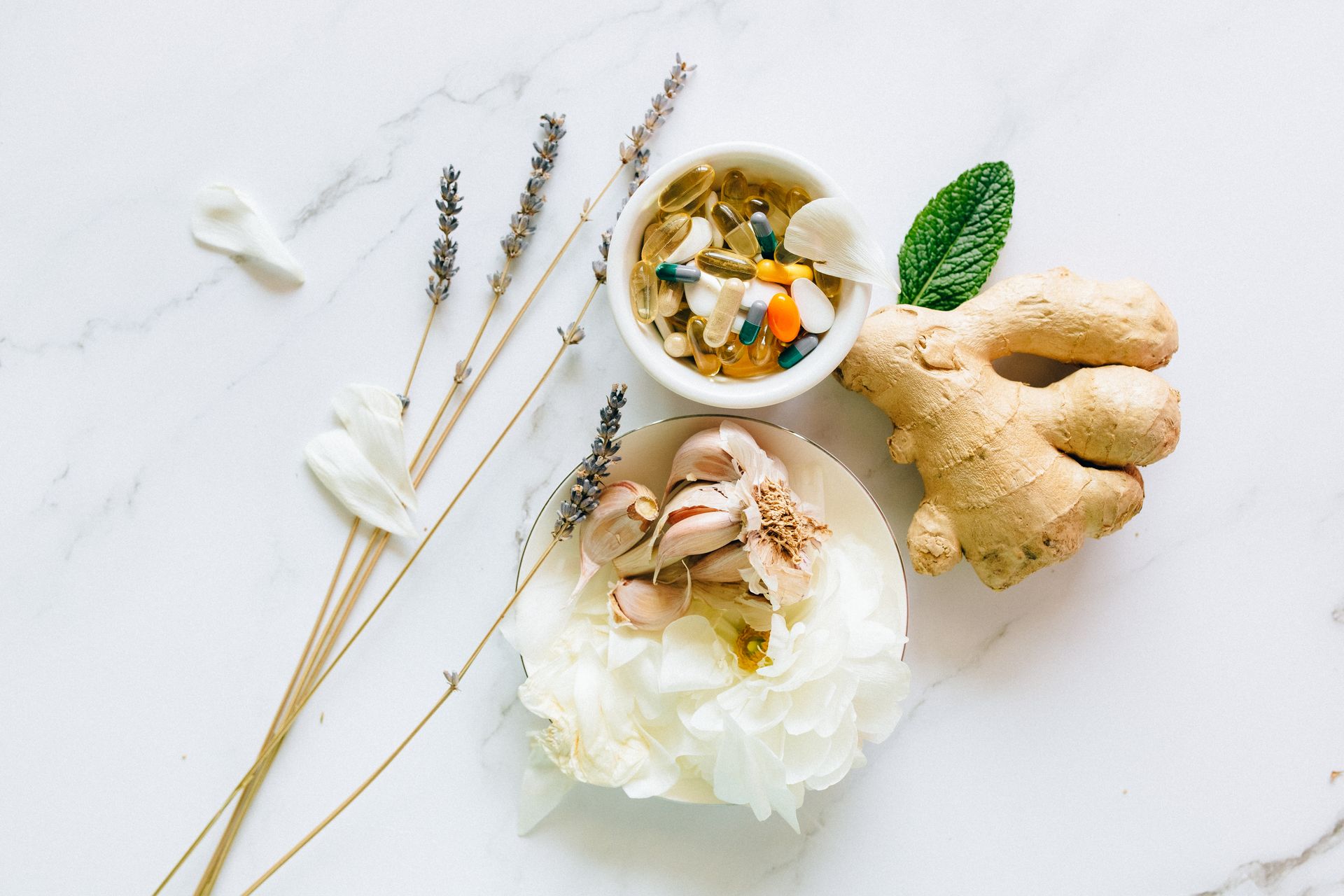
START WITH A GOAL
Natural wellness, organized around the question you actually have.
Start with a focused guide, then move into the ingredient or outcome you want to understand.
STRESS & ADAPTOGENS
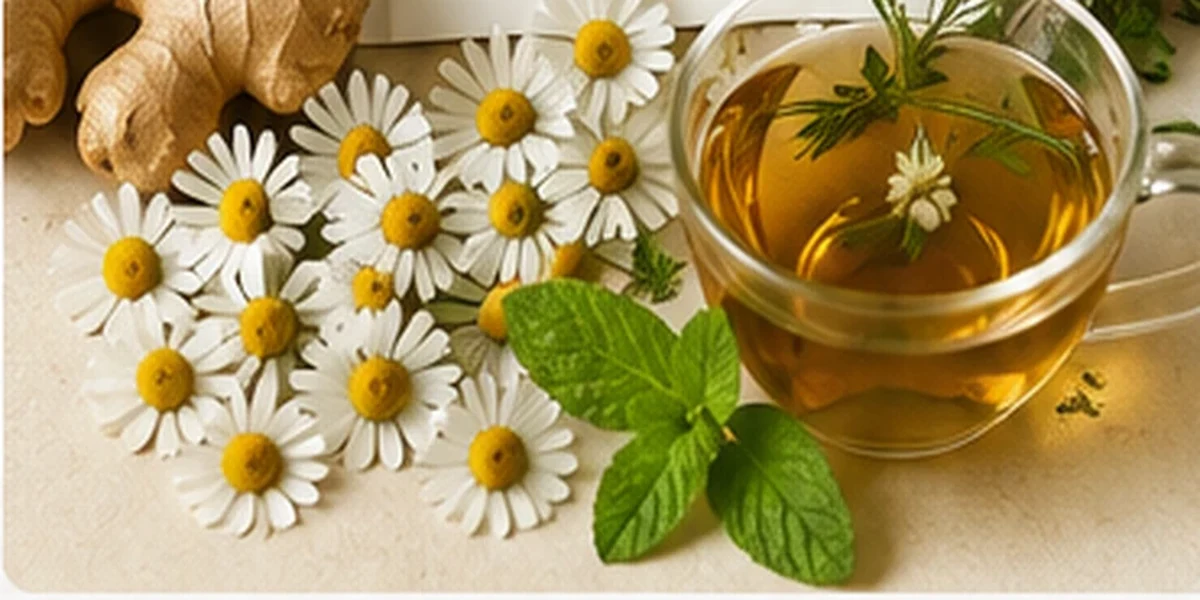
Ashwagandha for Stress: Evidence and Safety
Ashwagandha is marketed as a stress solution, but the evidence is more specific—and less universal—than the advertising often suggests.
READ GUIDE →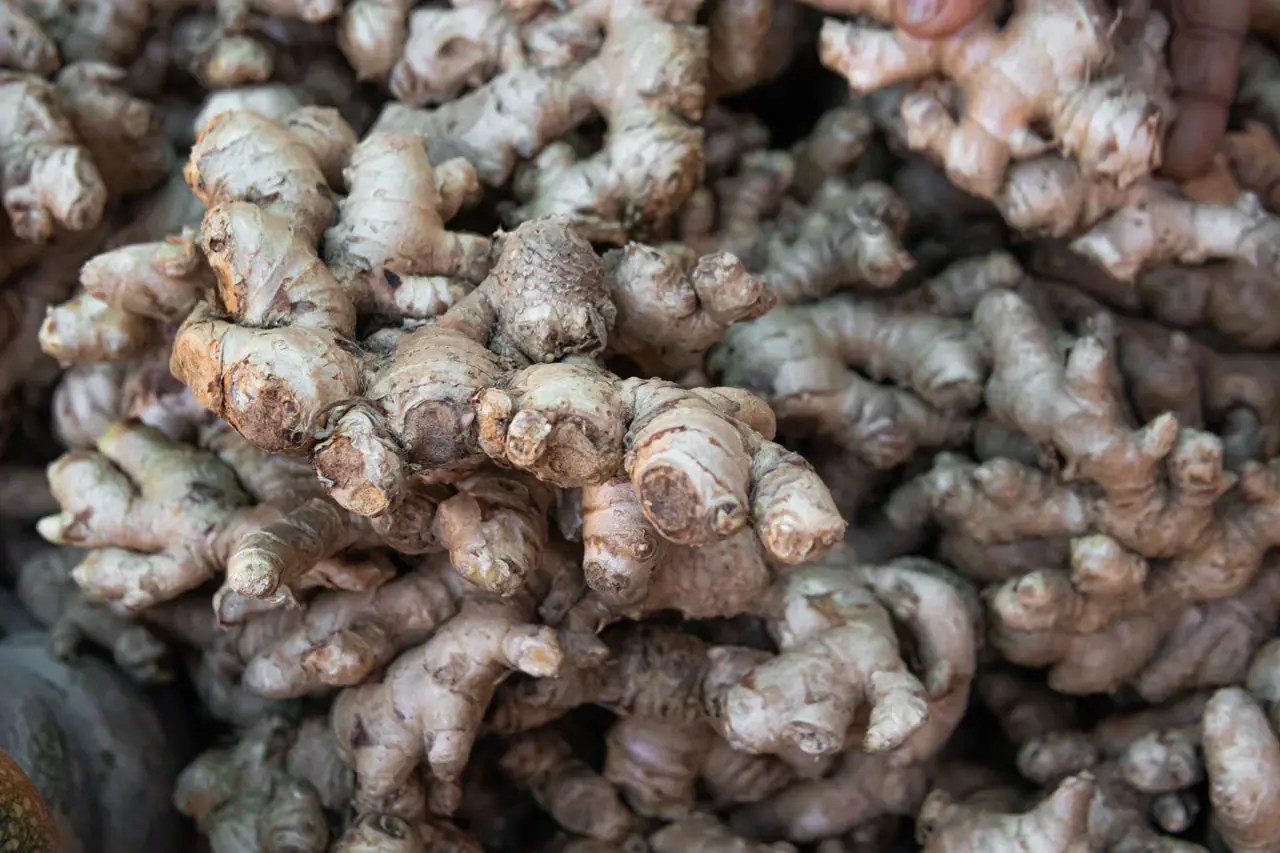
INGREDIENT GUIDE
Ginger Benefits: Uses, Nutrition & What to Know
Learn what ginger is used for, what research says about nausea, practical ways to use it, and important safety considerations.
READ GUIDE →SLEEP & STRESS
Popular natural-wellness questions
 MAGNESIUMMagnesium for Sleep: What the Evidence Really ShowsMagnesium is one of the most popular sleep supplements. The evidence is much less certain than the marketing often suggests.→
 MELATONINMelatonin for Adults: When Does It Help Sleep?Melatonin is one of the most familiar sleep supplements, but its usefulness depends heavily on what sleep problem you are trying to solve.→
DIGESTION & GUT HEALTH
Food first, then specific claims
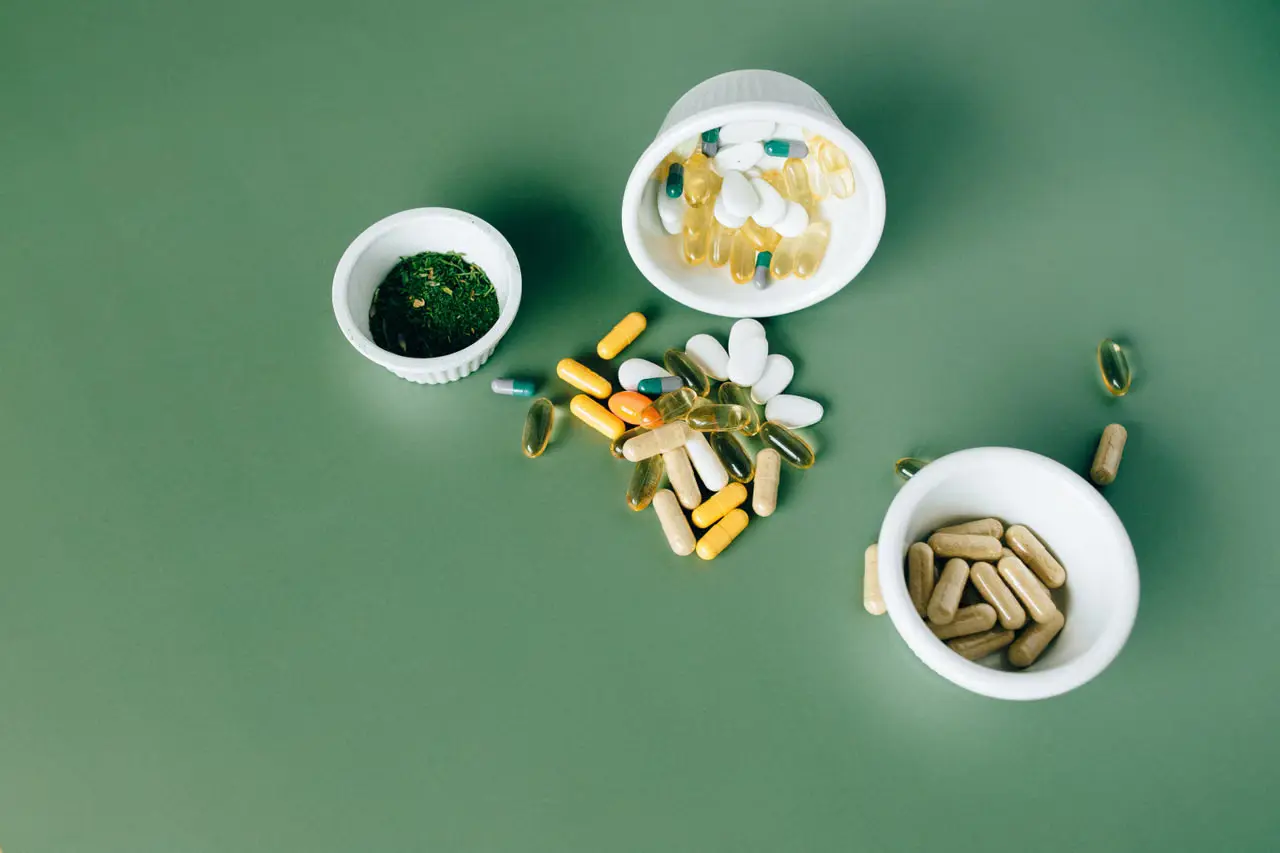 GUT HEALTHPrebiotics vs Probiotics: What’s the Difference, and Do You Need Either?Prebiotics feed microbes. Probiotics are live microorganisms intended to provide a benefit. Neither word guarantees that a product will improve your gut.→
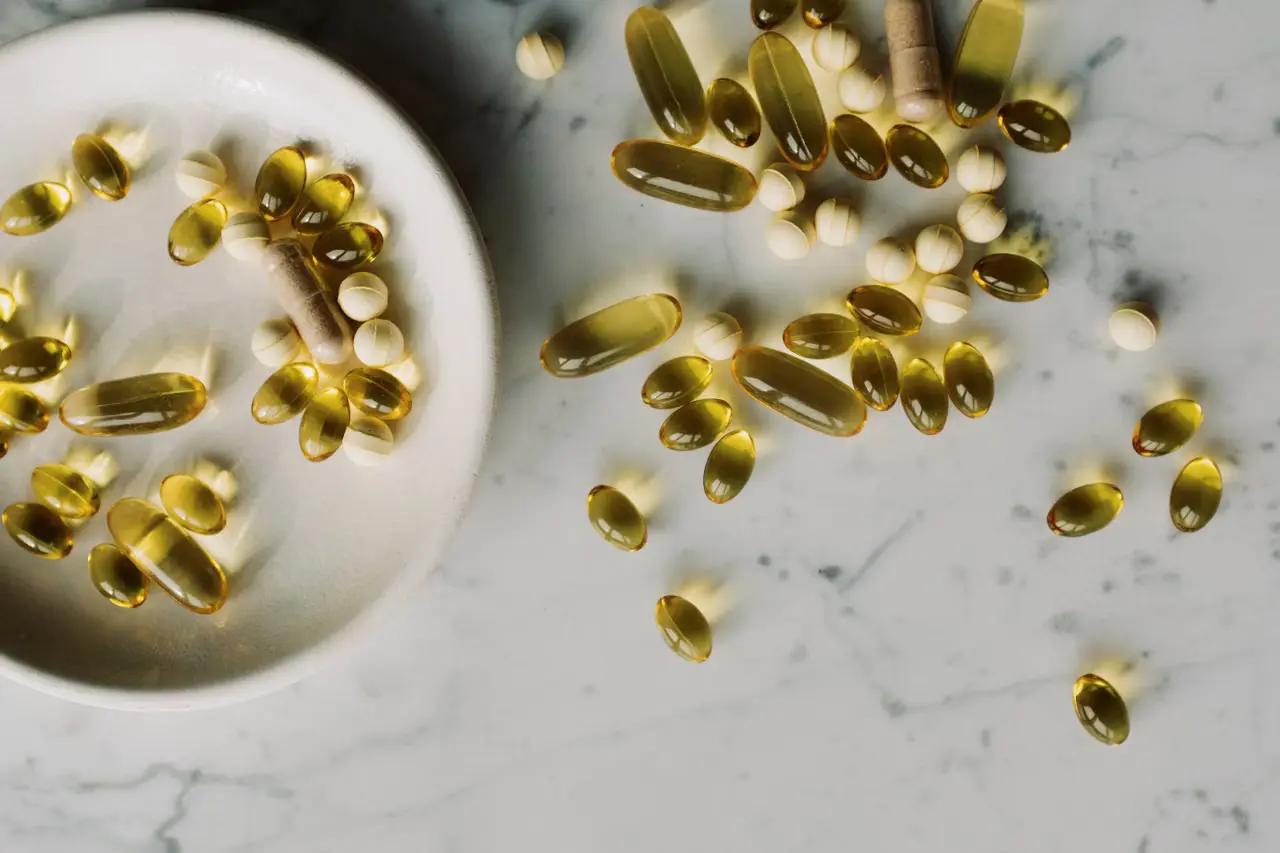 FERMENTED FOODSProbiotic Supplements vs Fermented Foods: Which Makes More Sense?Fermented foods and probiotic supplements are often discussed as though they are interchangeable. Scientifically, they are not.→
INGREDIENTS
Look up the claim, not just the ingredient name
 OMEGA-3Do Omega-3s Actually Work? What the Evidence ShowsOmega-3s are important fats, but supplement claims often go further than the evidence. Here’s where benefits are clearest and where expectations should stay modest.→
 CURCUMINCurcumin for Knee Osteoarthritis: What Pain Studies SuggestTurmeric and curcumin supplements are heavily marketed for joints. The evidence is more encouraging for knee osteoarthritis than for vague “inflammation” promises.→
PAIN & JOINTS
Weigh natural pain-relief claims against the evidence.
PAIN RELIEFNatural Pain Relief: What Does the Evidence Actually Support?Turmeric is not hydrocodone. Ginger is not ibuprofen. Some natural options have evidence for specific symptoms — without being drug equivalents.→ JOINT CLAIMSCollagen for Joints vs Skin vs Muscle: Which Claims Hold Up?Collagen is sold as one powder for three very different outcomes. The evidence is more convincing for some joint and skin outcomes than for building muscle.→
HEALTHY AGING
Natural wellness in the context of bigger fundamentals
 HEALTHY AGINGHealthy AgingEvidence-first guidance on muscle, strength, mobility, protein, creatine and practical habits for healthy aging.→
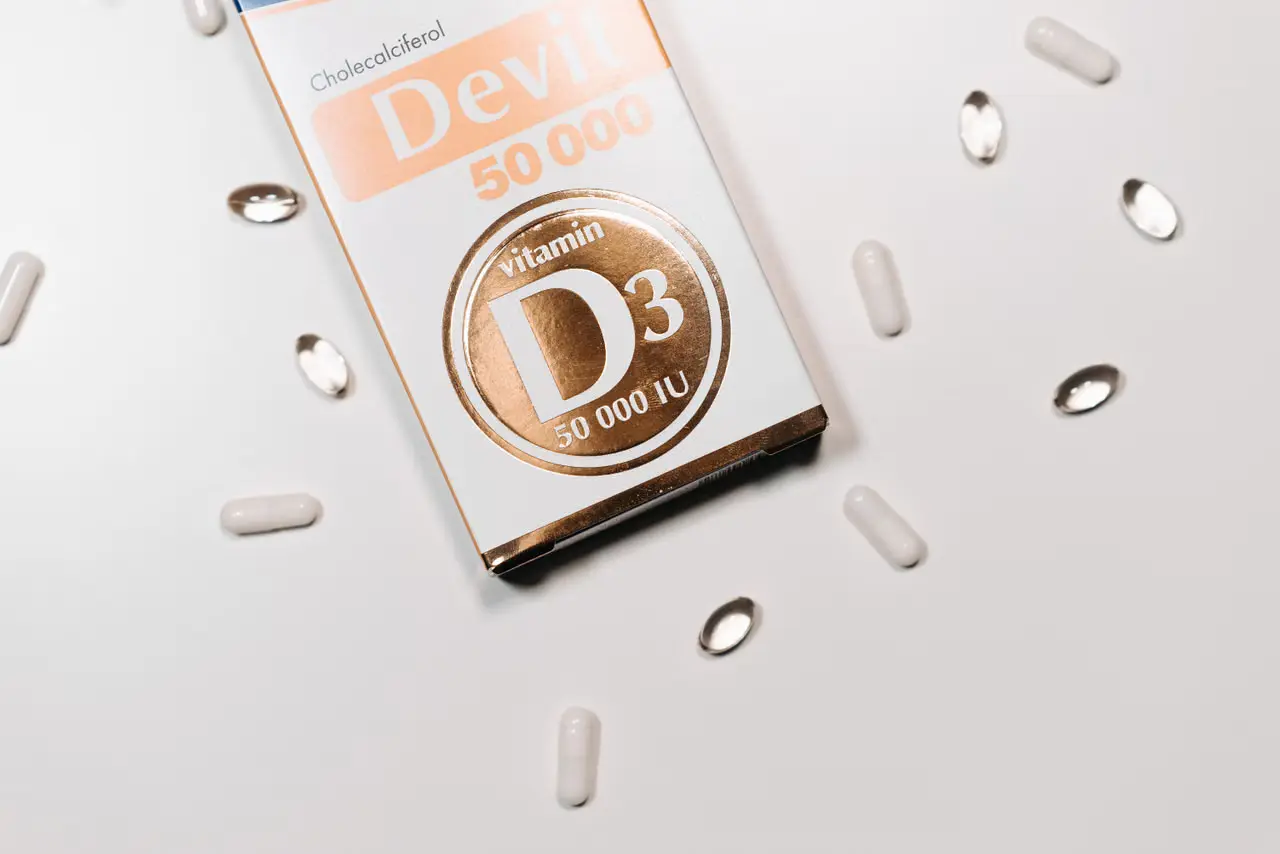 HABITSHealthy Habits That Stick: A Practical Beginner’s FrameworkA practical framework for building healthier routines around movement, nutrition, sleep and recovery without trying to change everything at once.→