START HERE
Stay strong after 40 without turning every goal into a supplement stack.
Organize the evidence around training, protein, creatine, recovery and mobility.

STRENGTH
Can You Build Muscle After 50?
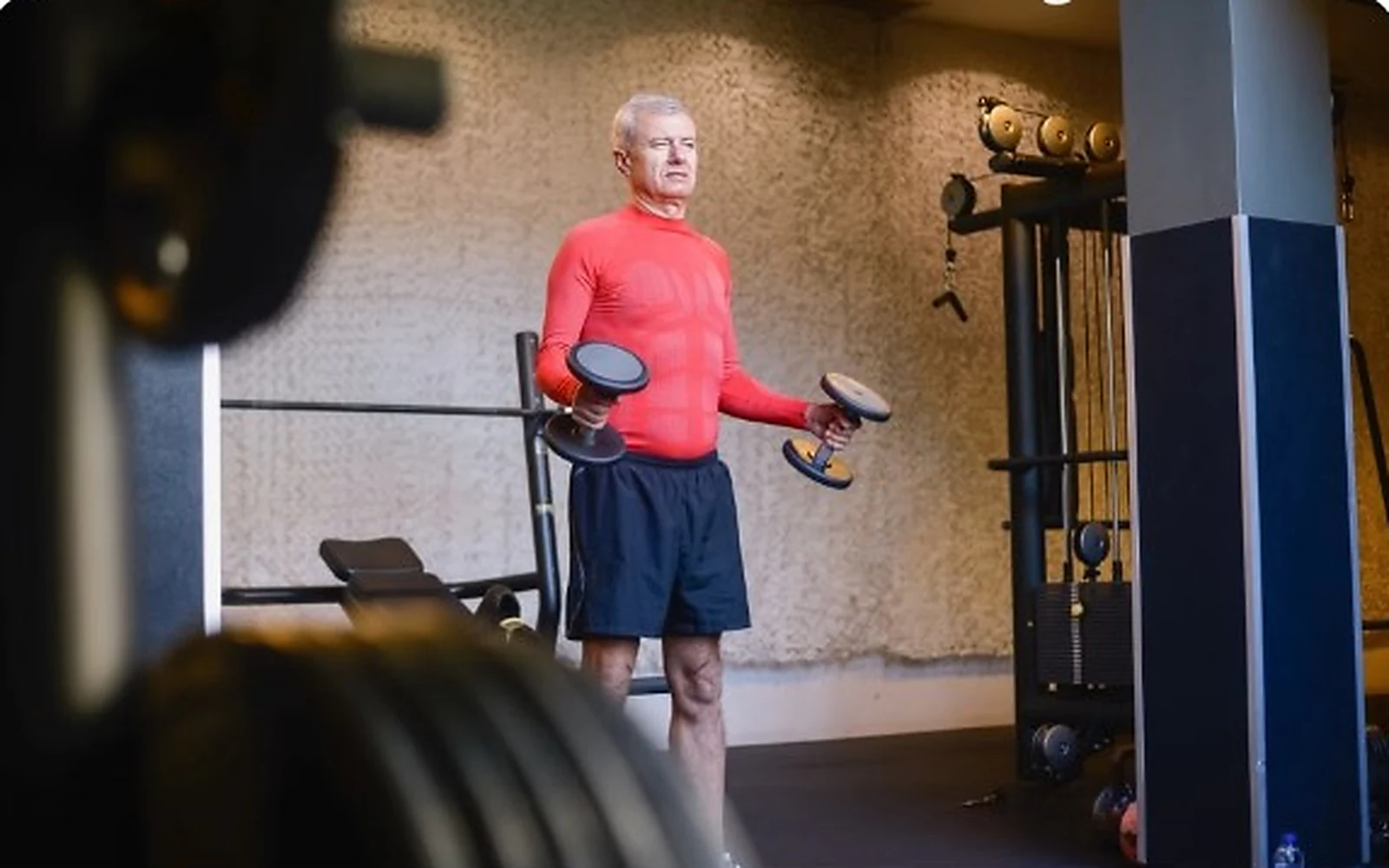
Yes. Older muscle still adapts to resistance training, including in people who start much later than 50.
READ GUIDE →
PROTEIN
How Much Protein Do You Need After 40?
Protein matters for maintaining and building muscle as we age, but the useful target depends on training, total intake, health and the rest of the diet.
READ GUIDE →STRENGTH
Progressive training remains the foundation
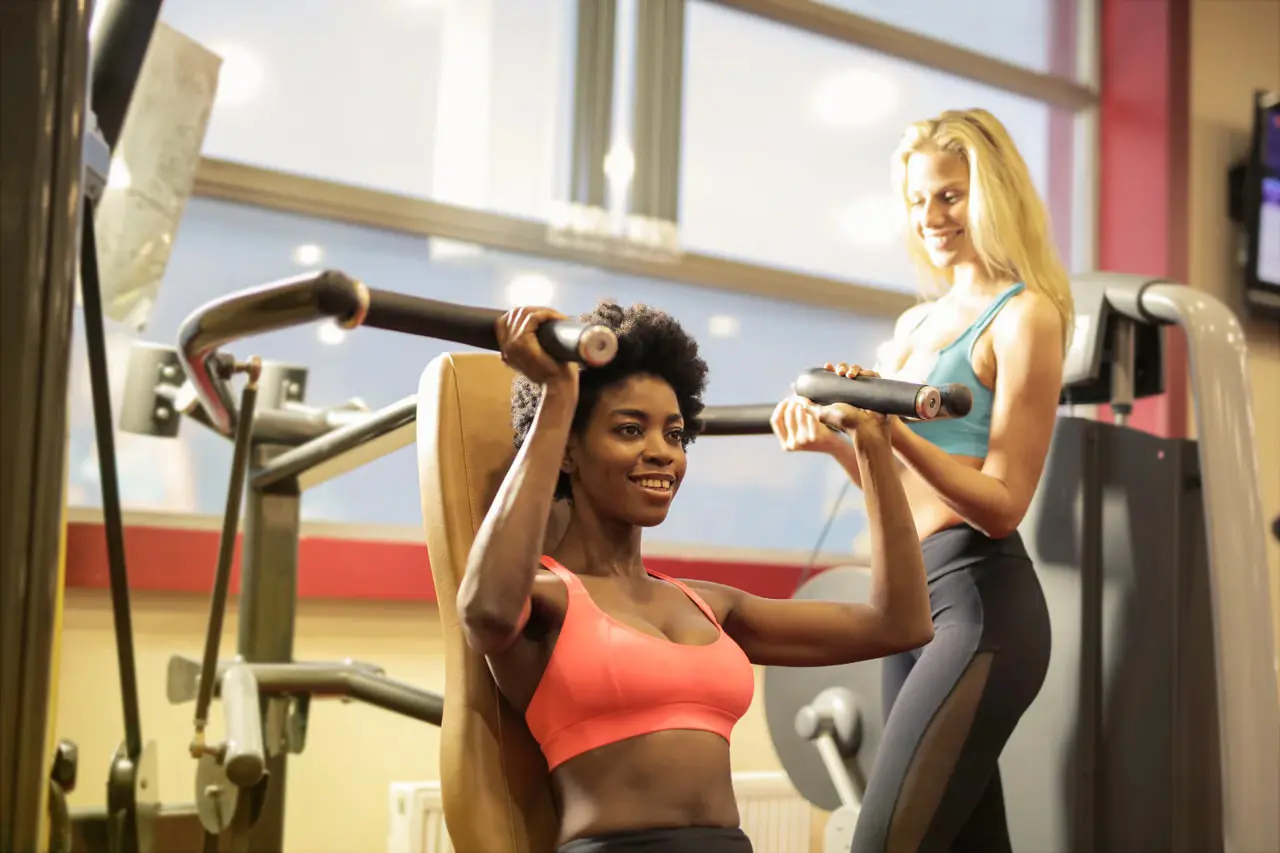 TRAININGDo You Need Heavy Weights to Build Muscle After 40?No single rep range owns muscle growth. Heavier loads are useful for strength, while moderate and lighter loads can also build muscle when sets are challenging enough.→
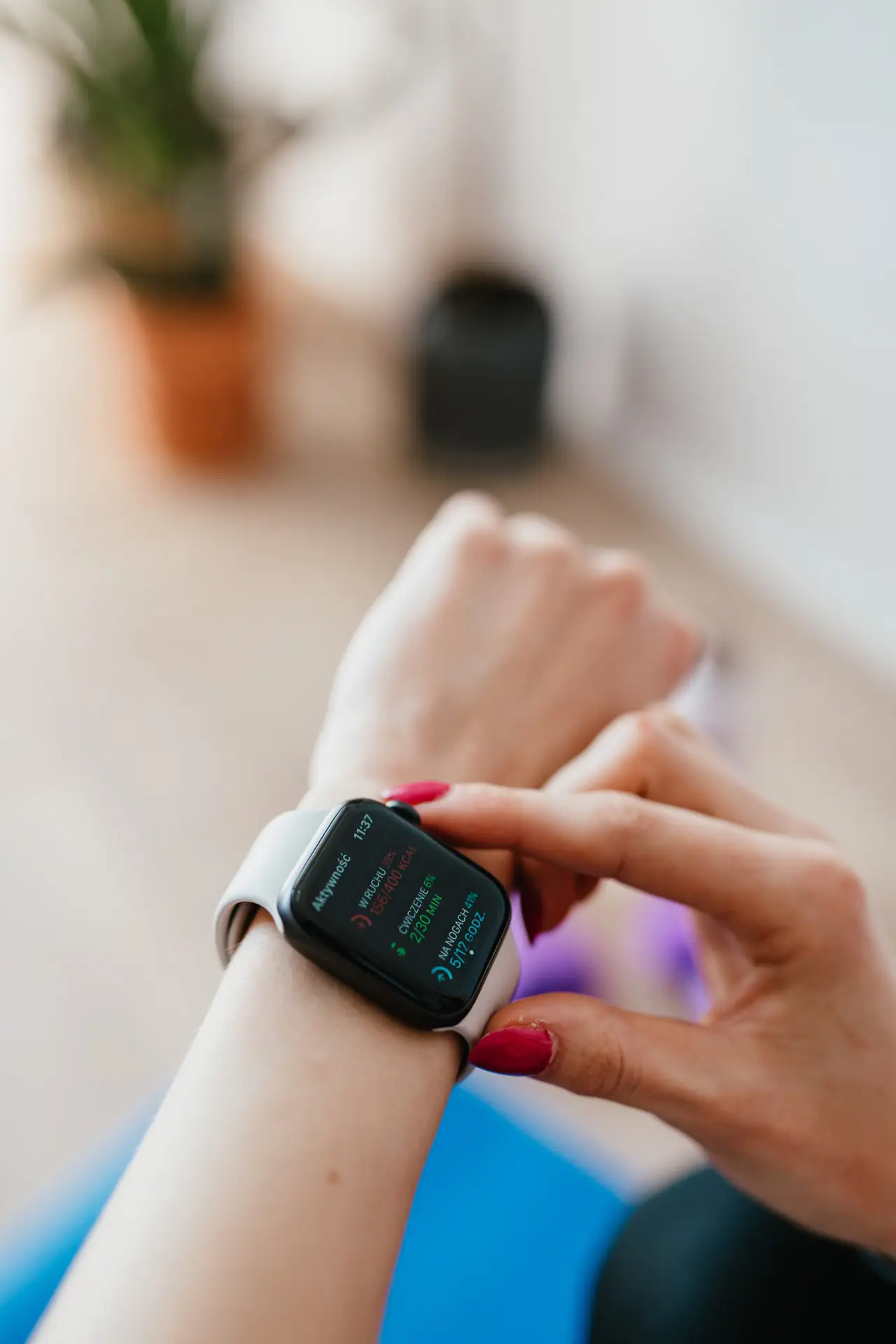 MUSCLEHow Long Does It Take to Build Muscle After 40?Strength can improve before visibly larger muscles appear. The useful timeline is measured in months, not in a promised number of pounds per week.→
PROTEIN
Support training without chasing extreme targets
 HOW MUCHProtein for Muscle: How Much Is Enough?More protein can support muscle growth when you resistance train — but the benefit does not keep rising forever.→
 FOOD FIRSTHigh-Protein Foods: A Practical Everyday GuideA practical guide to protein-rich foods, simple meal building, plant and animal protein sources, and when protein powder may be useful.→
CREATINE
One of the better-supported supplement categories
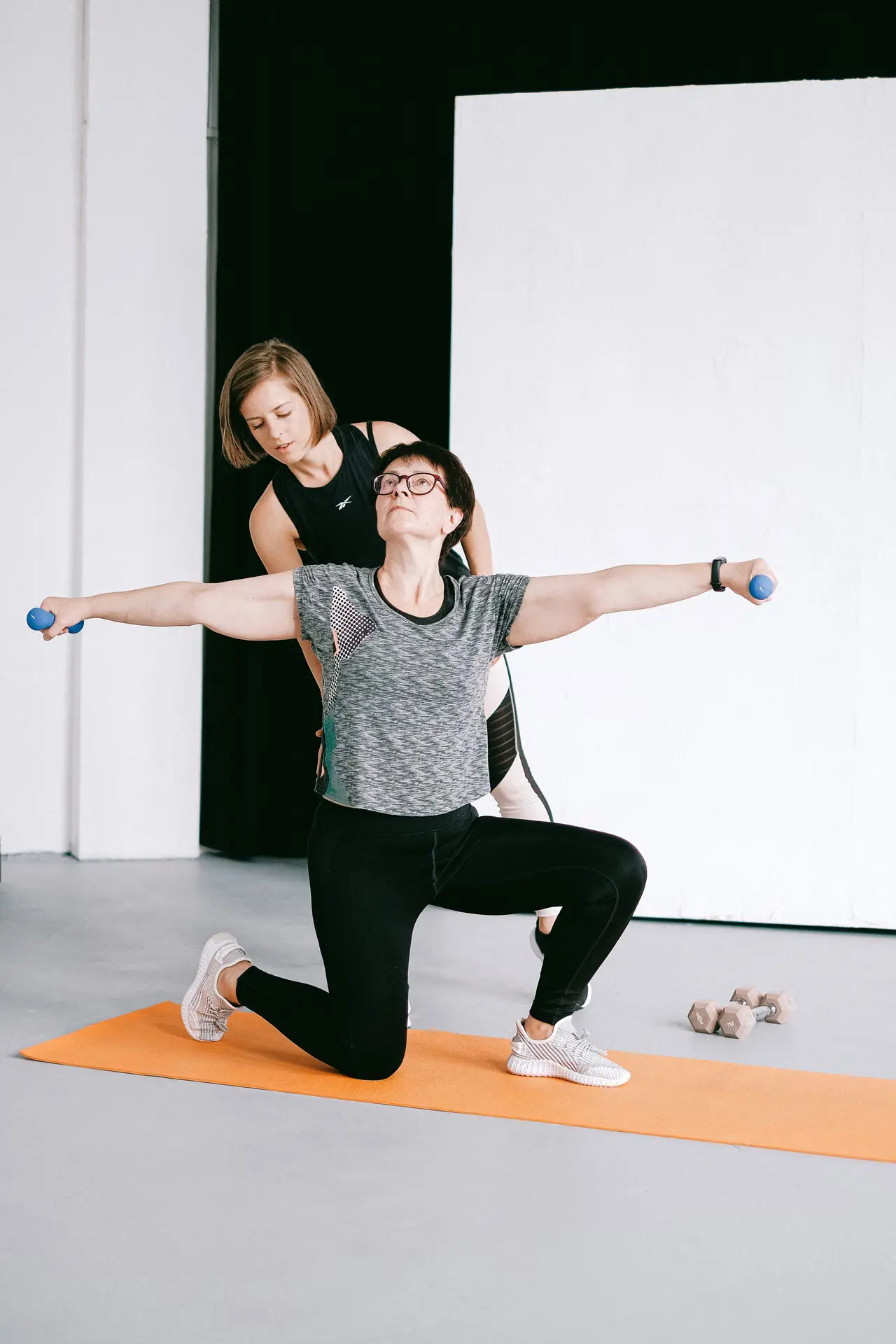 EVIDENCECreatine for Strength and Muscle: Evidence GuideCreatine has unusually strong evidence for a sports supplement — especially when it is paired with resistance training.→
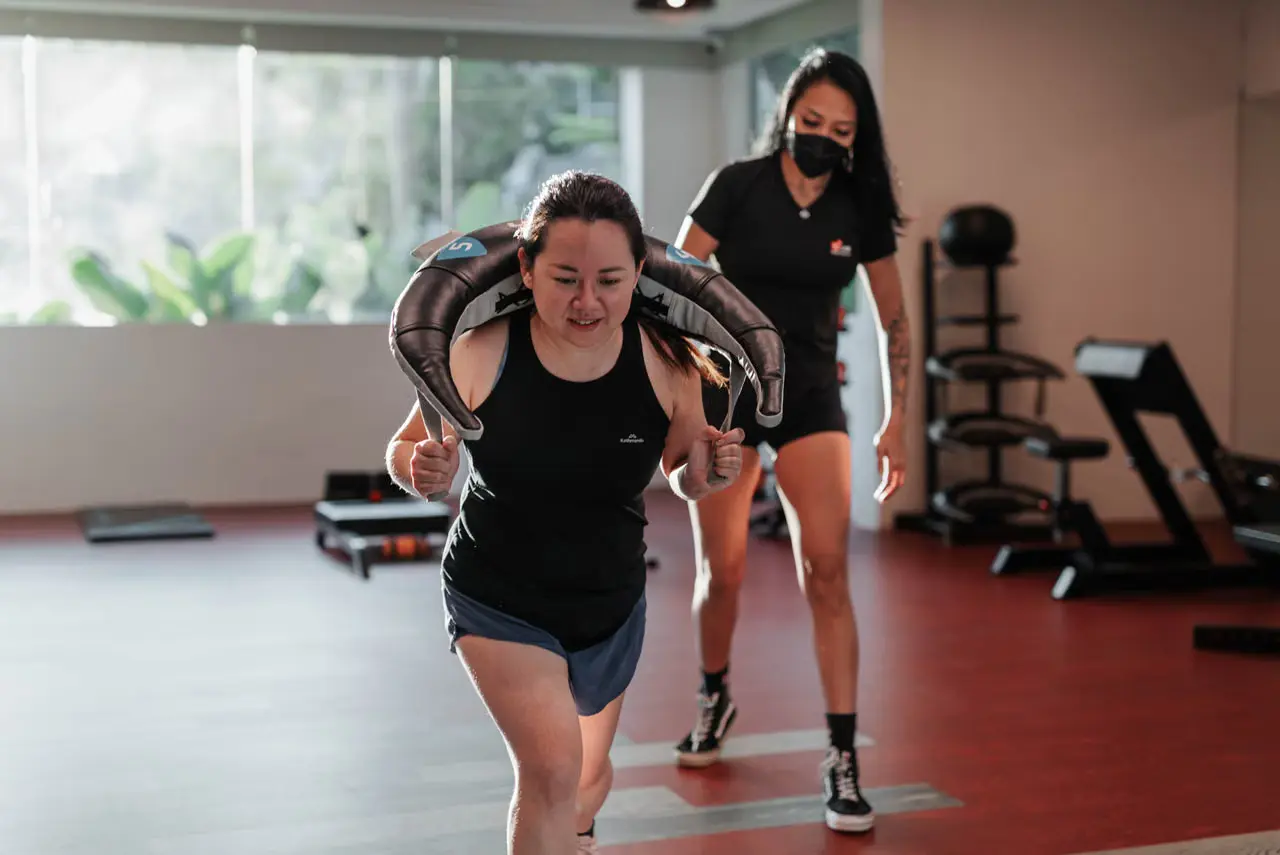 FORMSCreatine Monohydrate vs Creatine HCl: Which Should You Choose?Creatine monohydrate has decades of outcome research. HCl may dissolve differently, but better solubility is not the same as better strength or muscle results.→
RECOVERY
Sleep and recovery support consistency
 RECOVERY HUBSleep & RecoveryEvidence-aware guidance on sleep, circadian rhythm, recovery, magnesium, melatonin and wearable recovery metrics.→
 RECOVERY SCORESRecovery Scores: Helpful Signal or False Precision?Recovery scores combine imperfect inputs into one confident-looking number. They can be a useful prompt, but they should not overrule symptoms, performance and context.→
MOBILITY & HEALTHY AGING
Stay capable, not just strong
 HEALTHY AGINGHealthy AgingEvidence-first guidance on muscle, strength, mobility, protein, creatine and practical habits for healthy aging.→
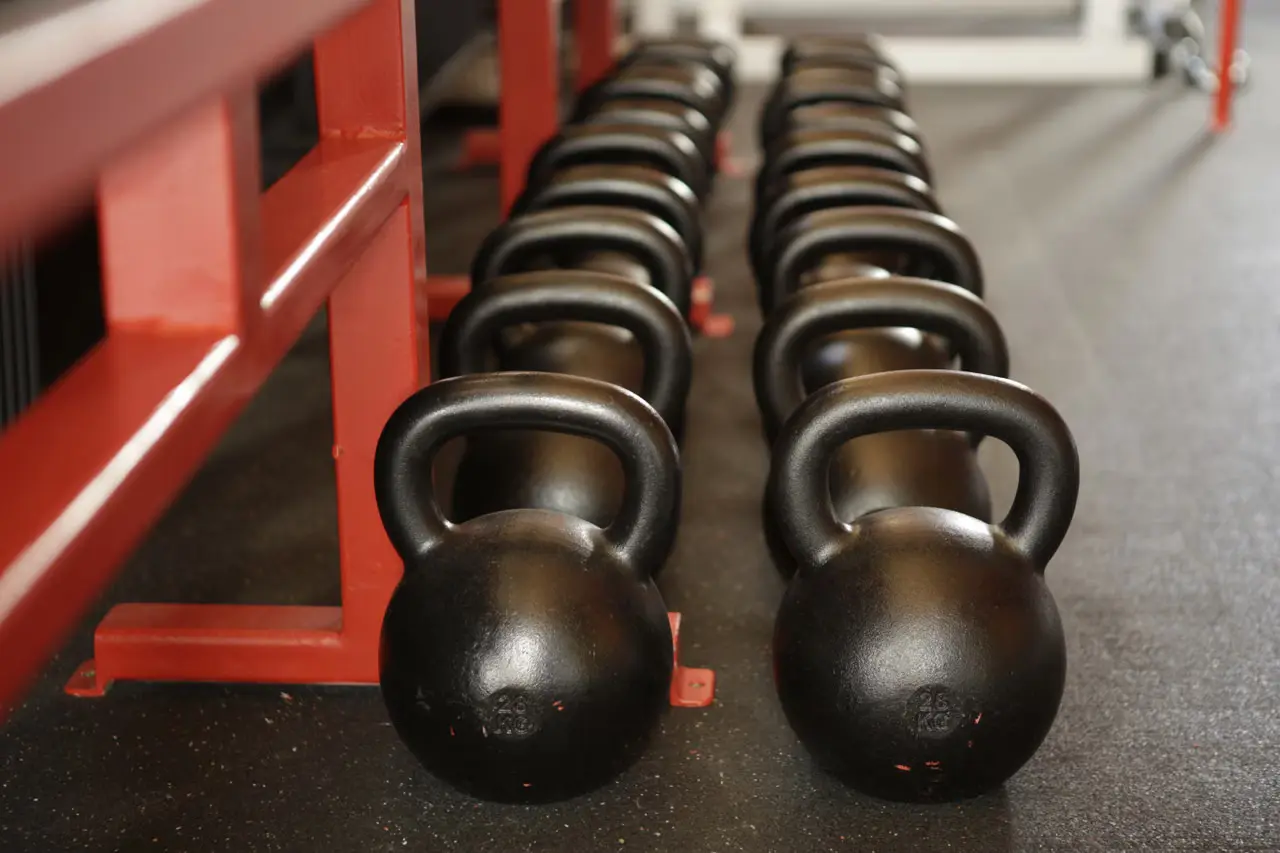 GRIP STRENGTHDoes Grip Strength Really Tell You How Well You're Aging?Grip strength is a useful marker of overall strength and function, but it is not a crystal ball—and squeezing a gripper does not automatically change the risks associated with a weak score.→