
START HERE
Use the number as context, not a verdict.
Start with the metric that is confusing you, then check what it can actually tell you.

HRV
Heart Rate Variability: Is Your Wearable’s HRV Score Useful?
HRV can reflect autonomic changes, but it is highly individual. The number becomes more useful when you compare yourself with yourself under similar conditions.
READ GUIDE →
SLEEP
Sleep Trackers: How Accurate Are They?
A sleep score can look medical because it is precise. Consumer wearables can estimate broad sleep patterns, but detailed sleep stages are less dependable than the screen suggests.
READ GUIDE →HEART & RECOVERY
Look for trends before reacting to one reading
 RESTING HEART RATEResting Heart Rate: What Does Your Wearable's Number Actually Tell You?Resting heart rate is one of the more dependable signals consumer wearables collect. The trend is usually more informative than chasing a universal 'perfect' number.→
 RECOVERY SCORESRecovery Scores: Helpful Signal or False Precision?Recovery scores combine imperfect inputs into one confident-looking number. They can be a useful prompt, but they should not overrule symptoms, performance and context.→
SLEEP
Trackers estimate sleep; they do not measure it like a sleep lab
 MORNING LIGHTMorning Light and Sleep: Why Timing MattersMorning light is a powerful timing cue for the circadian system, but “10 minutes of sunlight fixes sleep” is an oversimplification.→
 SLEEP DURATIONDoes Everyone Really Need 8 Hours of Sleep?Eight hours is a useful shorthand, not a requirement for every adult. Healthy sleep needs vary, and regularity and quality matter too.→
ACTIVITY
Use movement targets as tools, not biological rules
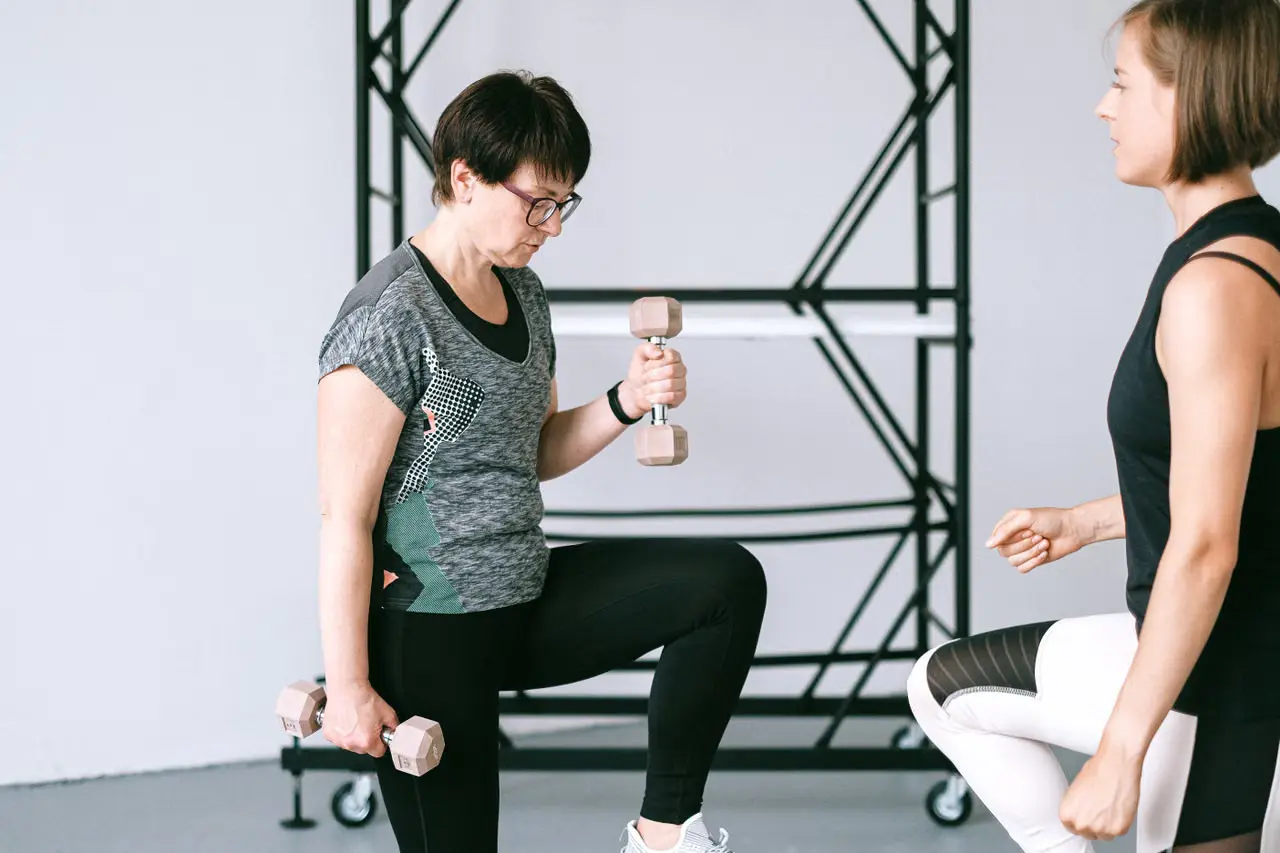 STEPSDo You Really Need 10,000 Steps a Day?10,000 steps is a memorable target, but it is not a biological threshold. Health benefits can appear well below it.→
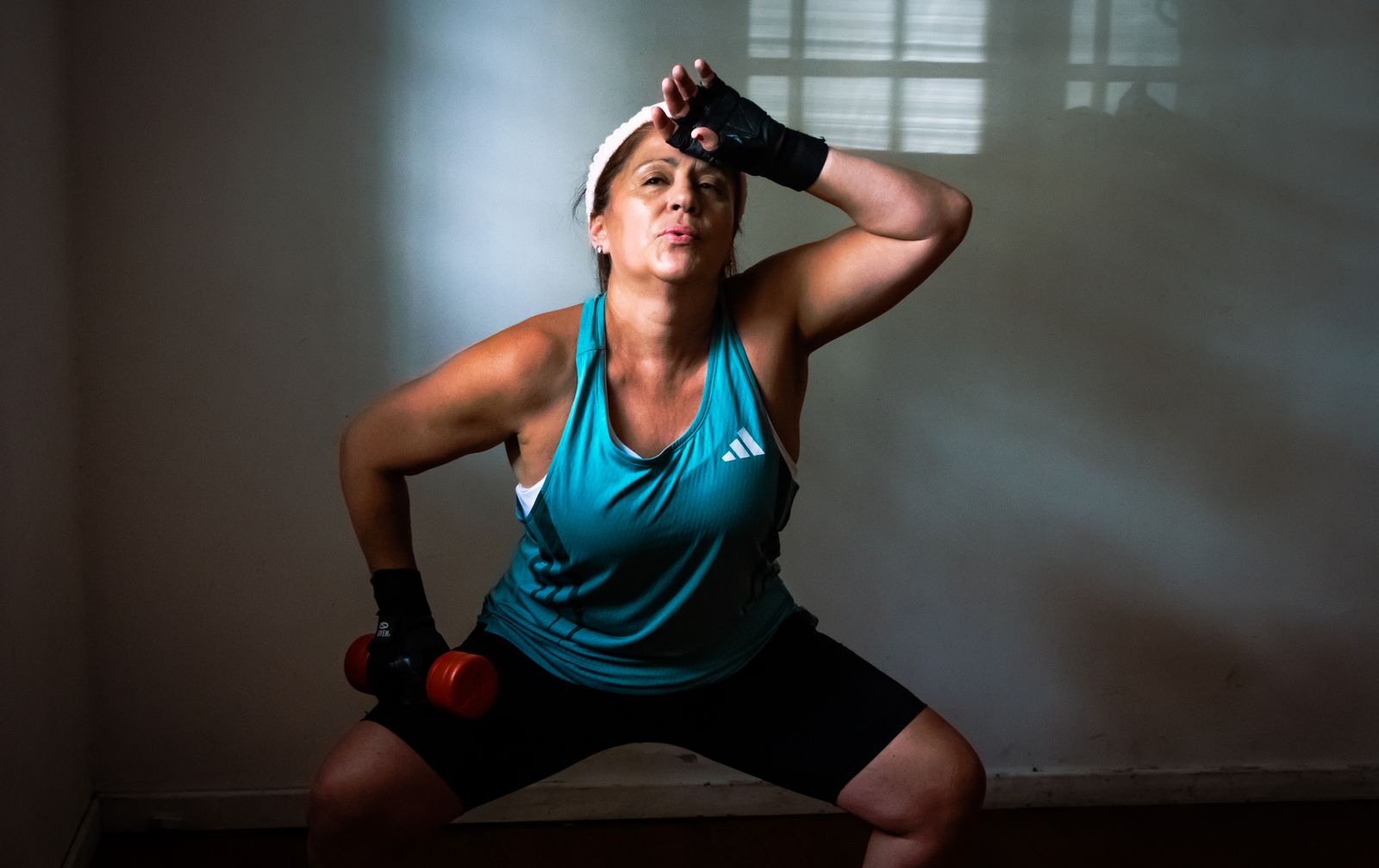 CALORIESFitness Watch Calories: How Accurate Are They?Step counts and heart rate can be useful. Calorie-burn numbers are much shakier — and that matters if you are using them to decide how much to eat.→
BODY COMPOSITION
Separate real trends from measurement noise
 BODY FATAre At-Home Body-Fat Scales Worth It?They can weigh you well. Their body-fat percentage is an estimate influenced by hydration and proprietary equations, not a home DXA scan.→
 SMART SCALESAre Smart Scales Worth It?Smart scales are good at weighing you. Their body-fat and muscle estimates are a different story.→
IN THIS SERIES
Health data and devices: every guide in this series
HEALTH DATA AND DEVICESAre Smart Scales Worth It?Smart scales are good at weighing you. Their body-fat and muscle estimates are a different story.→HEALTH DATA AND DEVICESAre At-Home Body-Fat Scales Worth It?They can weigh you well. Their body-fat percentage is an estimate influenced by hydration and proprietary equations, not a home DXA scan.→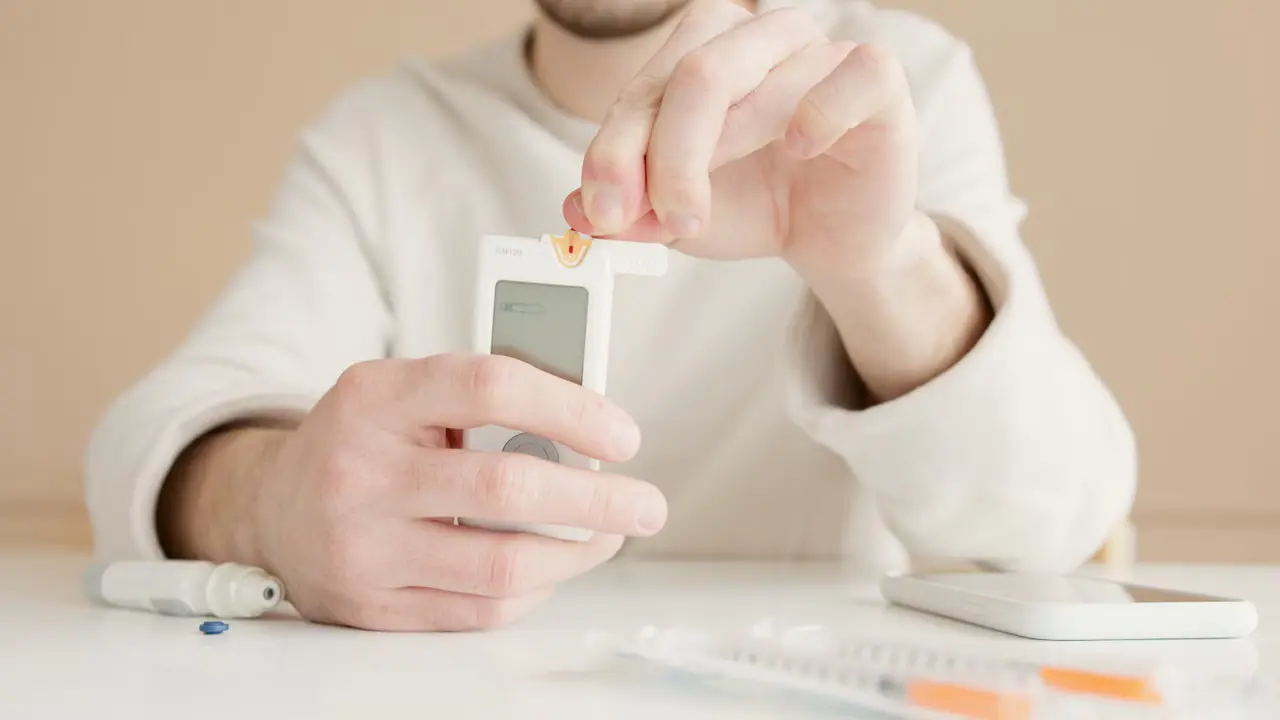 HEALTH DATA AND DEVICESAre Continuous Glucose Monitors Worth It If You Don't Have Diabetes?A CGM reveals glucose patterns, but more data does not guarantee better health. Review evidence and limits for people without diabetes before buying one.→
 HEALTH DATA AND DEVICESHealth Numbers Explained: What Common Measurements Actually MeanBlood pressure, glucose, cholesterol and other numbers can be useful — but they need context and should not become self-diagnosis tools.→
MORE IN THIS TOPIC
More Understand Your Data guides
 WEARABLESSmart Ring vs Fitness Watch: Which Health Data Actually Matters?Rings are easier to sleep in; watches are usually better training companions. The best choice depends on which behavior you want the device to support.→
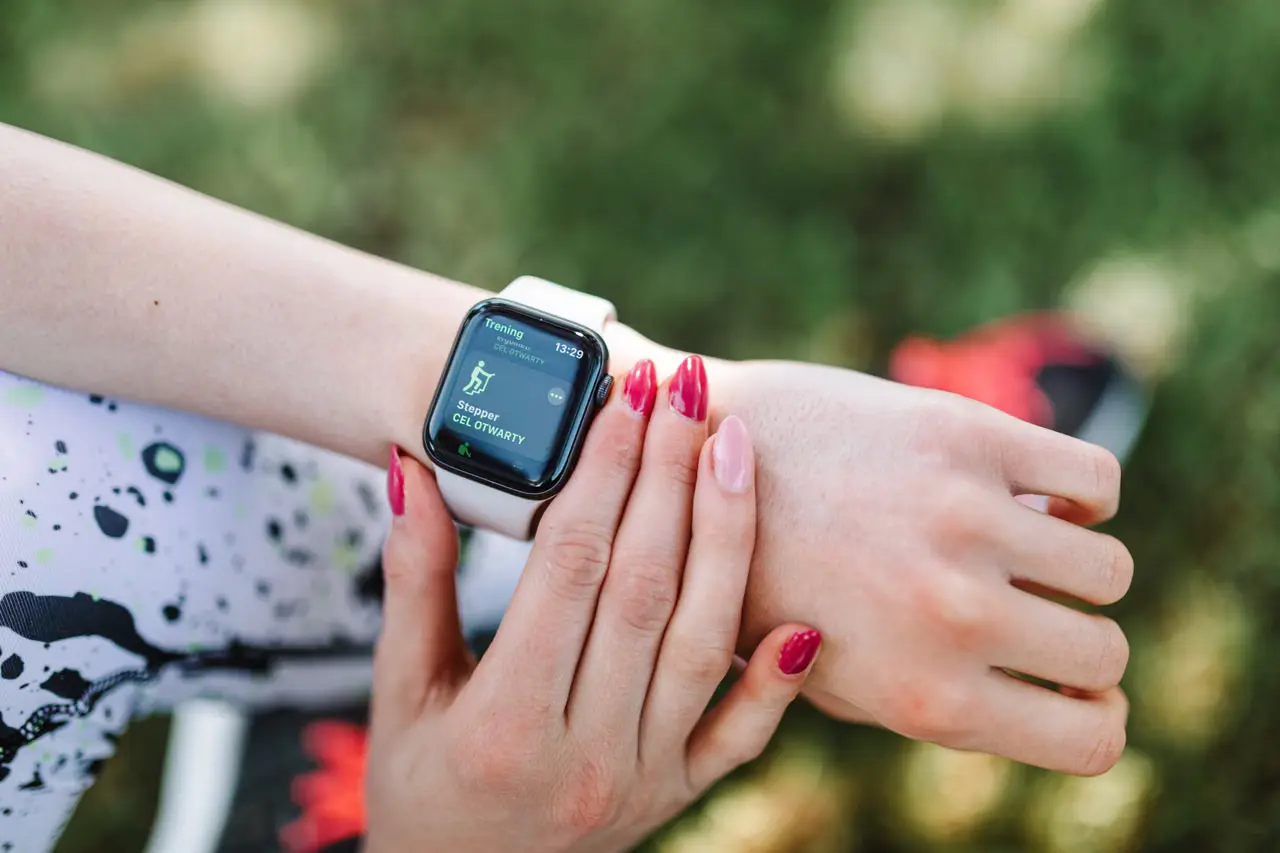 WEARABLESHow Accurate Is Your Smartwatch Step Count?Step counts are one of the more useful wearable metrics, but different devices and wear locations can still disagree by hundreds—or more—steps per day.→
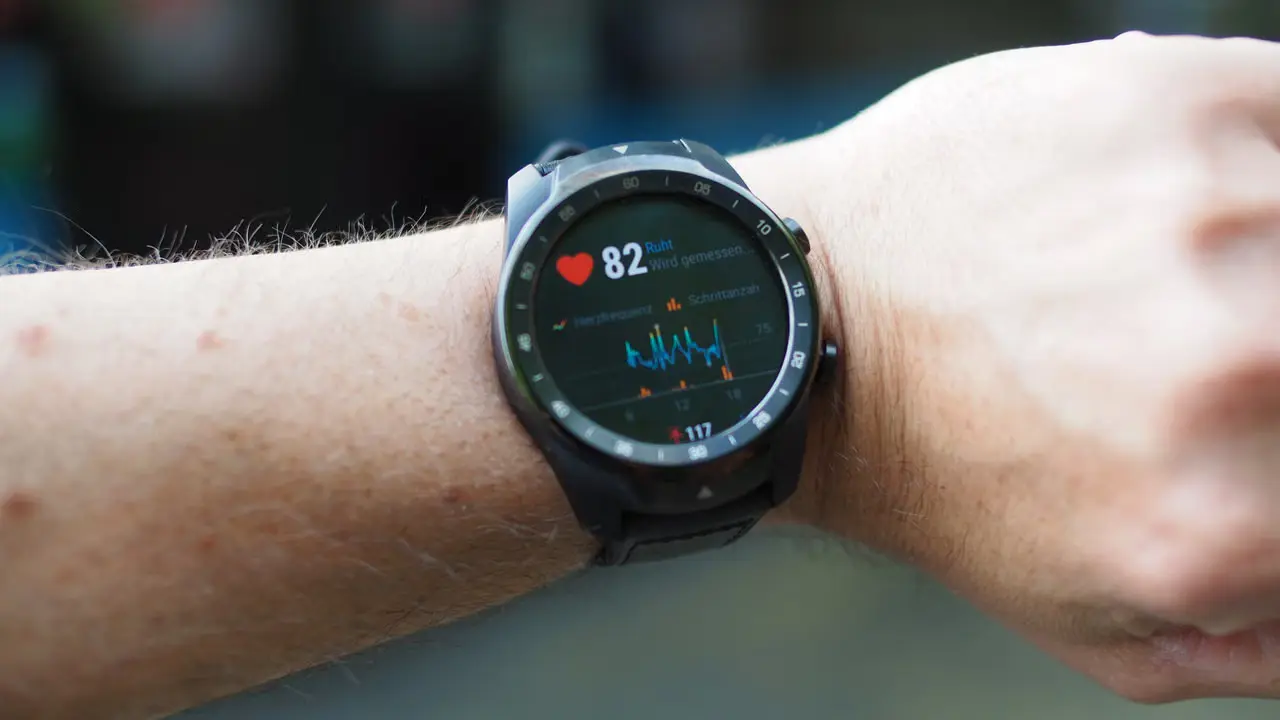 WEARABLESVO₂ Max on Your Watch: What the Estimate Can Tell YouYour watch estimates VO2 max rather than measuring it in a lab. Learn how fitness trends can help and where individual measurement errors limit the result.→
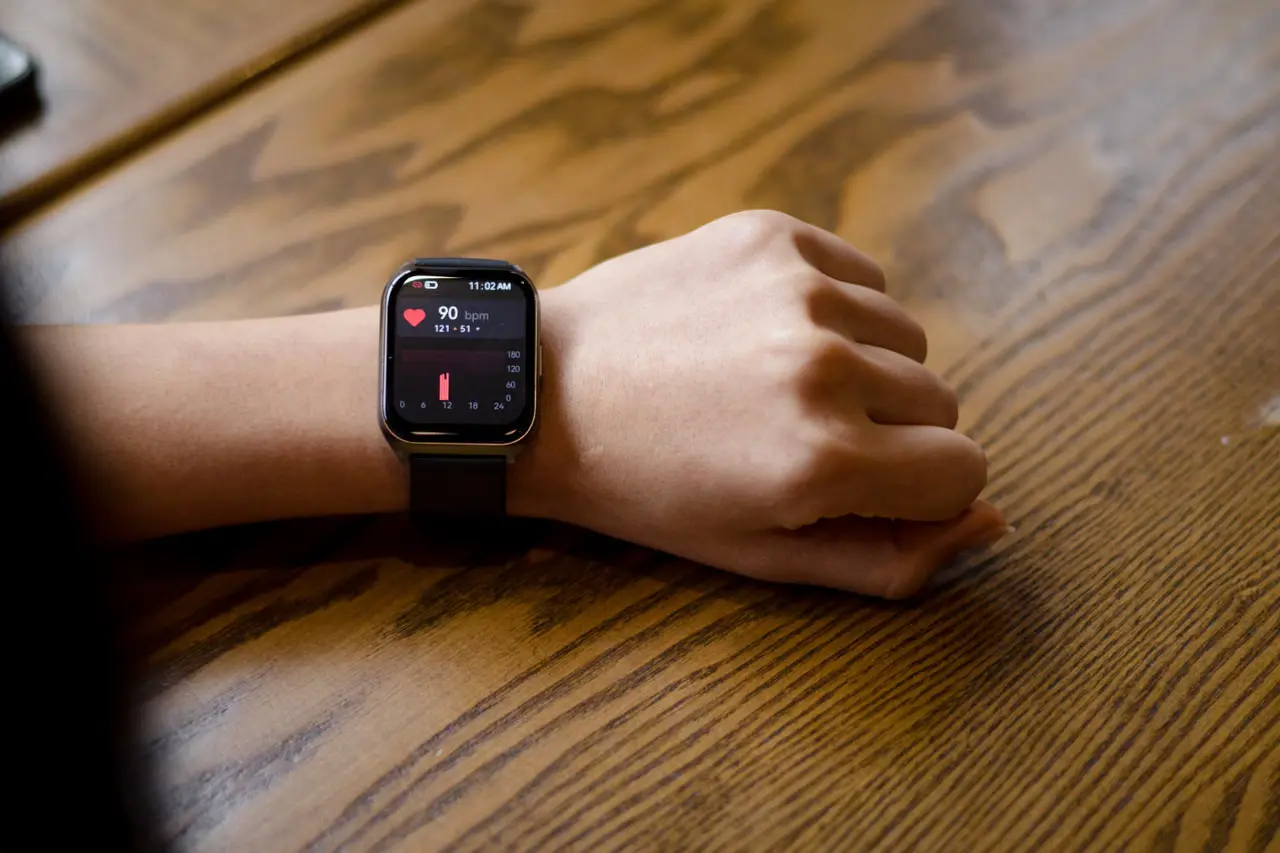 WEARABLESShould You Trust Your Wearable's 'Fitness Age'?Fitness-age scores can motivate habits, but they are estimates. Learn what wearable inputs measure and why the number is not your body's biological age.→