The short answer
For people with diabetes, CGMs can be transformative clinical tools.
A CGM can reveal glucose patterns in real time. For generally healthy people without diabetes, more data does not automatically translate into better health outcomes.
For people with diabetes, CGMs can be transformative clinical tools.
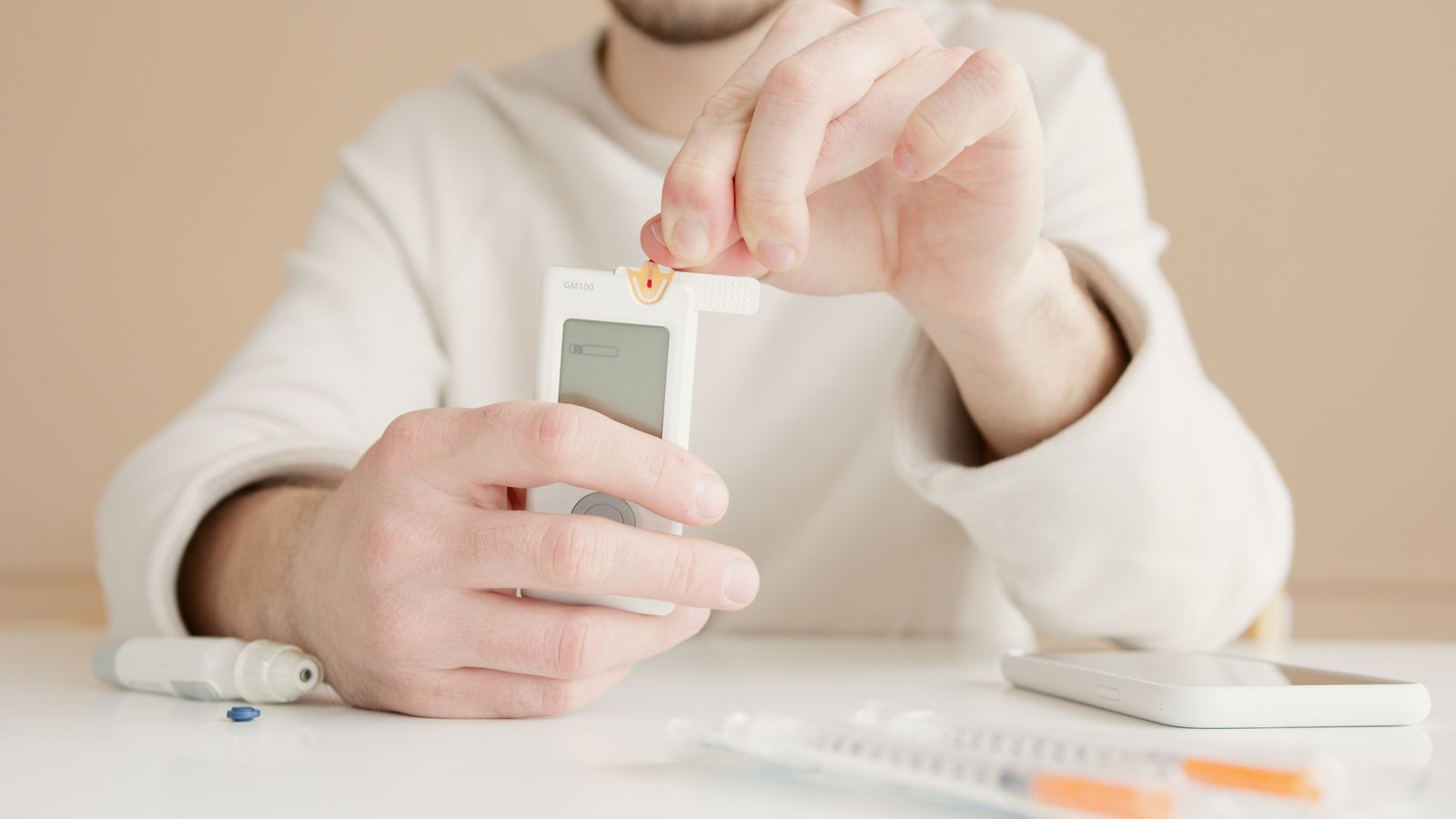
A sensor gives frequent interstitial-glucose readings, trend arrows and an app that turns meals into immediate feedback.
Blood glucose normally rises after eating.
A CGM can reveal glucose patterns in real time. For generally healthy people without diabetes, more data does not automatically translate into better health outcomes.
For people with diabetes, CGMs can be transformative clinical tools. For generally healthy people without diabetes, the case is much less established. You may learn how your glucose responds to meals or exercise, but evidence that routine CGM use improves long-term health outcomes in this population is limited.
A sensor gives frequent interstitial-glucose readings, trend arrows and an app that turns meals into immediate feedback. That can be educational. It can also make normal glucose variation look like a problem that needs fixing.
Blood glucose normally rises after eating. The size and duration of that rise depend on the meal, activity, sleep and individual physiology. Applying diabetes targets to a healthy person without context can create unnecessary alarm.
A clinician may use CGM in specific diagnostic or metabolic contexts, and athletes or researchers may have narrow performance questions. That is different from buying one because social media says everyone should flatten every glucose curve.
Before paying, ask what you will do differently with the information. If the answer is simply avoiding every food that creates a visible rise, the device may push you toward a more restrictive diet without evidence of benefit.
We would want randomized trials showing that CGM-guided behavior in people without diabetes improves meaningful outcomes—not only that it changes food choices or app scores.
Are Continuous Glucose Monitors Worth It If You Don't Have Diabetes?
For people with diabetes, CGMs can be transformative clinical tools. For generally healthy people without diabetes, the case is much less established. You may learn how your glucose responds to meals or exercise, but evidence that routine CGM use improves long-term health outcomes in this population is limited.
The evidence applies to the specific outcome and population reviewed here; individual results and circumstances can differ.
CGMs provide interesting real-time data, but routine use in generally healthy people without diabetes has limited evidence for improving meaningful health outcomes.
Before paying, ask what you will do differently with the information. If the answer is simply avoiding every food that creates a visible rise, the device may push you toward a more restrictive diet without evidence of benefit.
Ask a question or share your experience.
Use the connected Fitness World guides and tools for the decision you are making next.