The short answer
Yes — light activity after eating can blunt the rise in blood glucose compared with remaining inactive.
A short walk after eating can reduce the immediate rise in blood glucose. Here’s what the research supports — and how to use the habit realistically.
Yes — light activity after eating can blunt the rise in blood glucose compared with remaining inactive.
A 2023 systematic review and meta-analysis of randomized crossover trials found that exercise after meals reduced post-meal glucose excursions compared…
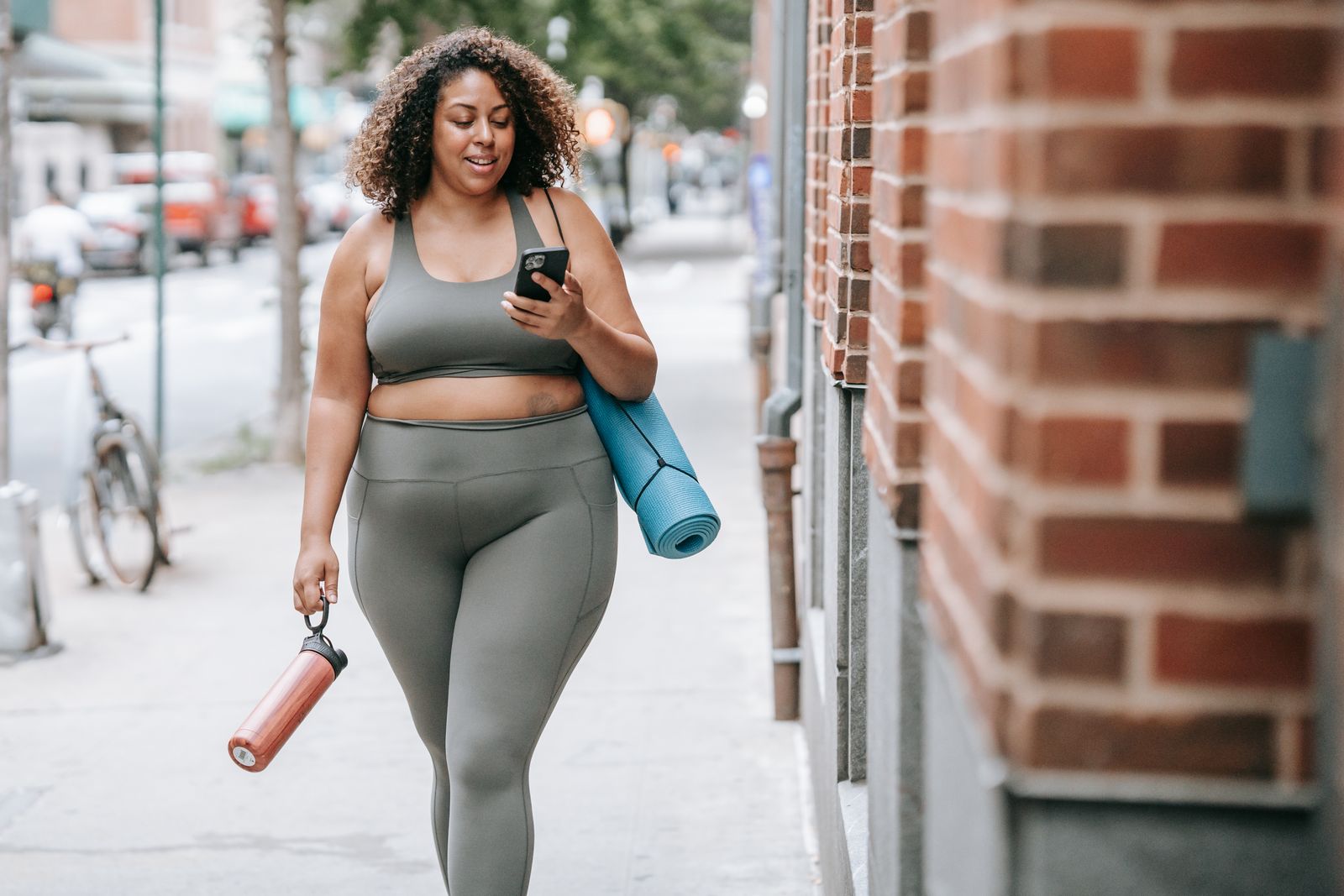
A short, comfortable walk soon after a meal is a practical option.
Yes — light activity after eating can blunt the rise in blood glucose compared with remaining inactive. The effect appears strongest when movement happens soon after the meal.
A 2023 systematic review and meta-analysis of randomized crossover trials found that exercise after meals reduced post-meal glucose excursions compared with exercise before eating or no exercise. The included trials were small and had risk-of-bias limitations, so this is better understood as a useful acute strategy than a stand-alone treatment.
A short, comfortable walk soon after a meal is a practical option. You do not need to turn it into a hard workout. Research has tested different durations, but even brief bouts of movement can make a measurable difference to the immediate glucose response.
Probably. In the meta-analysis, longer delays between eating and exercise weakened the acute glucose-lowering effect. That supports moving relatively soon after eating when it is comfortable and practical.
You do not need an intense session after every meal, and a post-meal walk is not a replacement for an overall activity routine, balanced diet or prescribed diabetes care.
Walking After Meals: Does It Actually Help Blood Sugar?
Yes — light activity after eating can blunt the rise in blood glucose compared with remaining inactive. The effect appears strongest when movement happens soon after the meal.
The evidence applies to the specific outcome and population reviewed here; individual results and circumstances can differ.
Supported with context
When practical, try a short, easy walk soon after a meal. Think of it as a simple way to break up sitting and improve the immediate post-meal glucose response — not as a treatment by itself.
Ask a question or share your experience.
A short walk after eating can reduce the immediate post-meal glucose rise in many people.
Even brief movement may help, but the practical goal is a repeatable habit rather than one perfect duration.
No. It is a supportive habit and should not replace prescribed medication, monitoring or clinical care.
Use the connected Fitness World guides and tools for the decision you are making next.