Why Walking Is a Strong Starting Point
Walking is accessible, requires little equipment and can be adjusted to many fitness levels.
Learn why walking is useful, how much activity adults generally need, and how to build a realistic walking habit without overcomplicating it.

Walking is accessible, requires little equipment and can be adjusted to many fitness levels.
Current CDC guidance for adults includes at least 150 minutes of moderate-intensity aerobic activity per week, plus muscle-strengthening activities on two…
Consistency matters more than trying to make every walk intense.
Walking is accessible, requires little equipment and can be adjusted to many fitness levels. It is also an easy way to add more movement to a normal day.
The CDC reports that physical activity can provide immediate and long-term health benefits, including benefits for mood, sleep and physical function.
Current CDC guidance for adults includes at least 150 minutes of moderate-intensity aerobic activity per week, plus muscle-strengthening activities on two or more days.
Brisk walking can count toward moderate-intensity activity. Beginners do not need to jump directly to the full weekly target; building gradually can make the habit easier to sustain.
Consistency matters more than trying to make every walk intense.
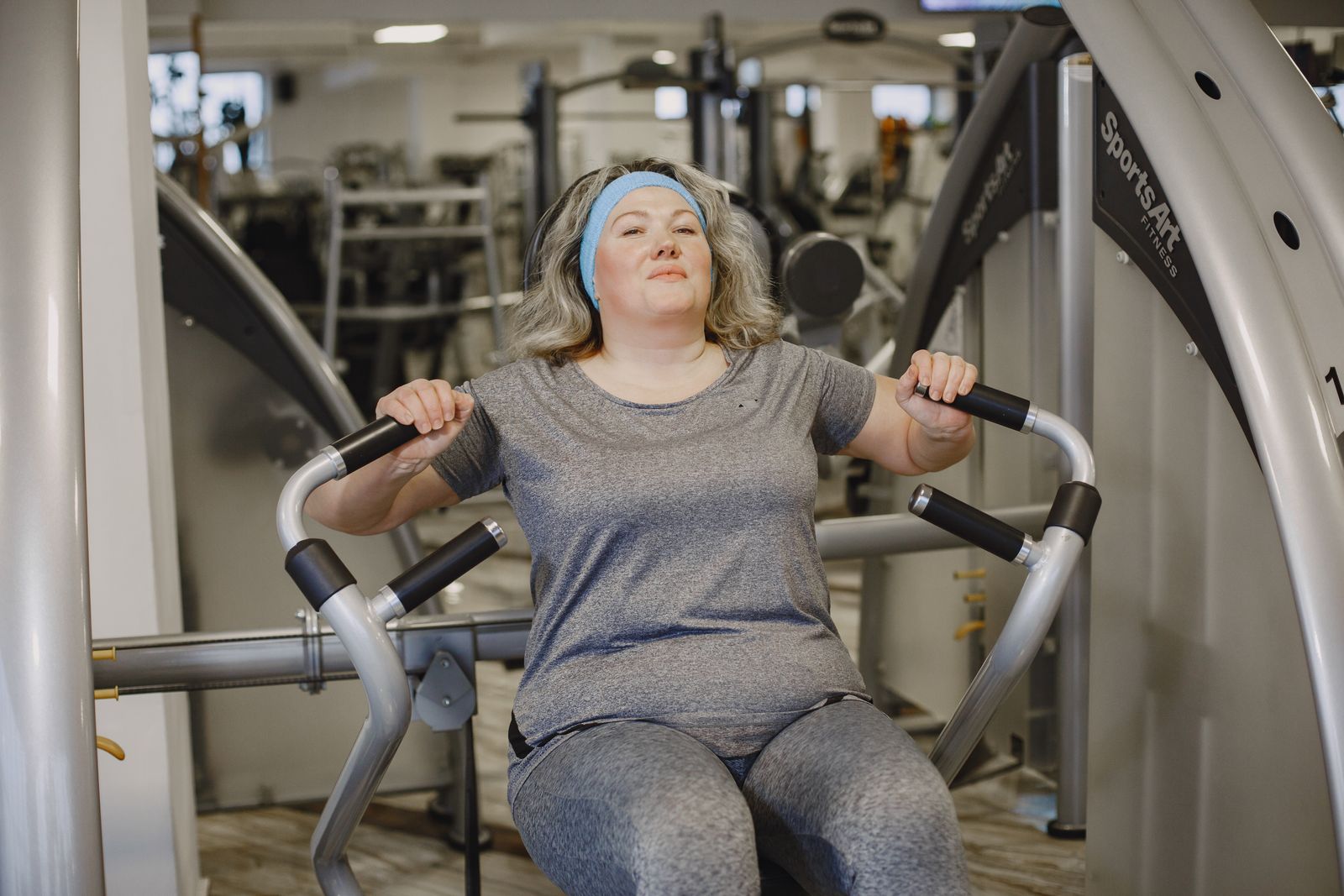
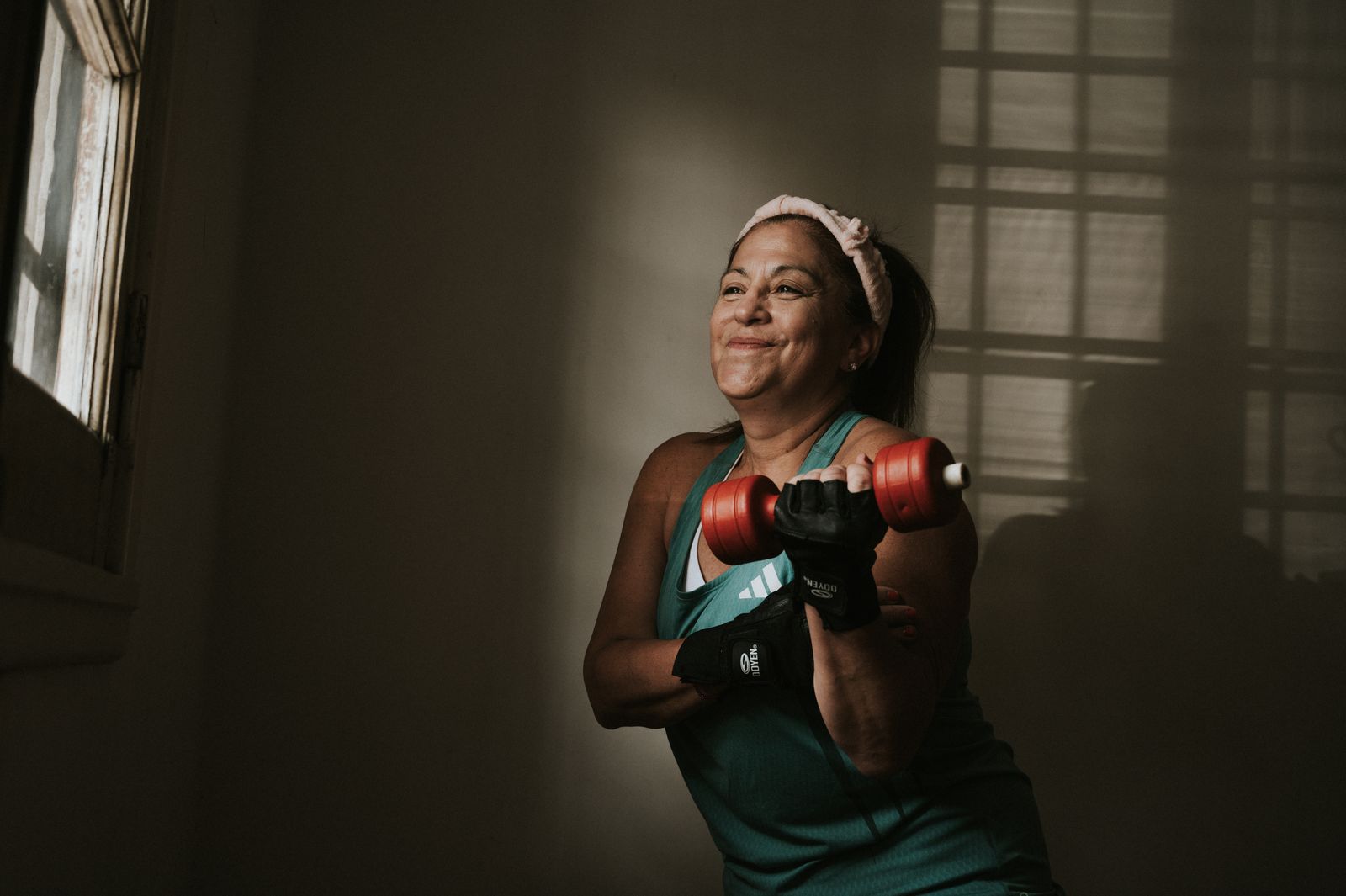
Walking is useful aerobic activity, but it does not fully replace muscle-strengthening exercise. The CDC recommends both aerobic and strengthening activity for adults.
A balanced routine might combine regular walking with two weekly strength sessions.
Walking is simple, flexible and meaningful. Start with an amount you can repeat, build gradually and combine it with strength work for a more complete routine.
Benefits of Walking Every Day: A Beginner’s Guide
Regular walking is a practical form of aerobic activity and can contribute to recommended weekly physical activity. It supports cardiovascular fitness, function and other health outcomes.
The ideal amount and pace vary by fitness, health status and goals, and walking does not replace all forms of exercise.
Supported with context
Walk consistently at a pace you can repeat, build gradually, and add strength training for a more complete routine.
Ask a question or share your experience.
Use the connected Fitness World guides and tools for the decision you are making next.