
START HERE
Build a stronger sleep foundation before chasing a sleep hack.
Begin with timing and everyday sleep habits, then evaluate supplements and recovery scores in context.
SLEEP BASICS
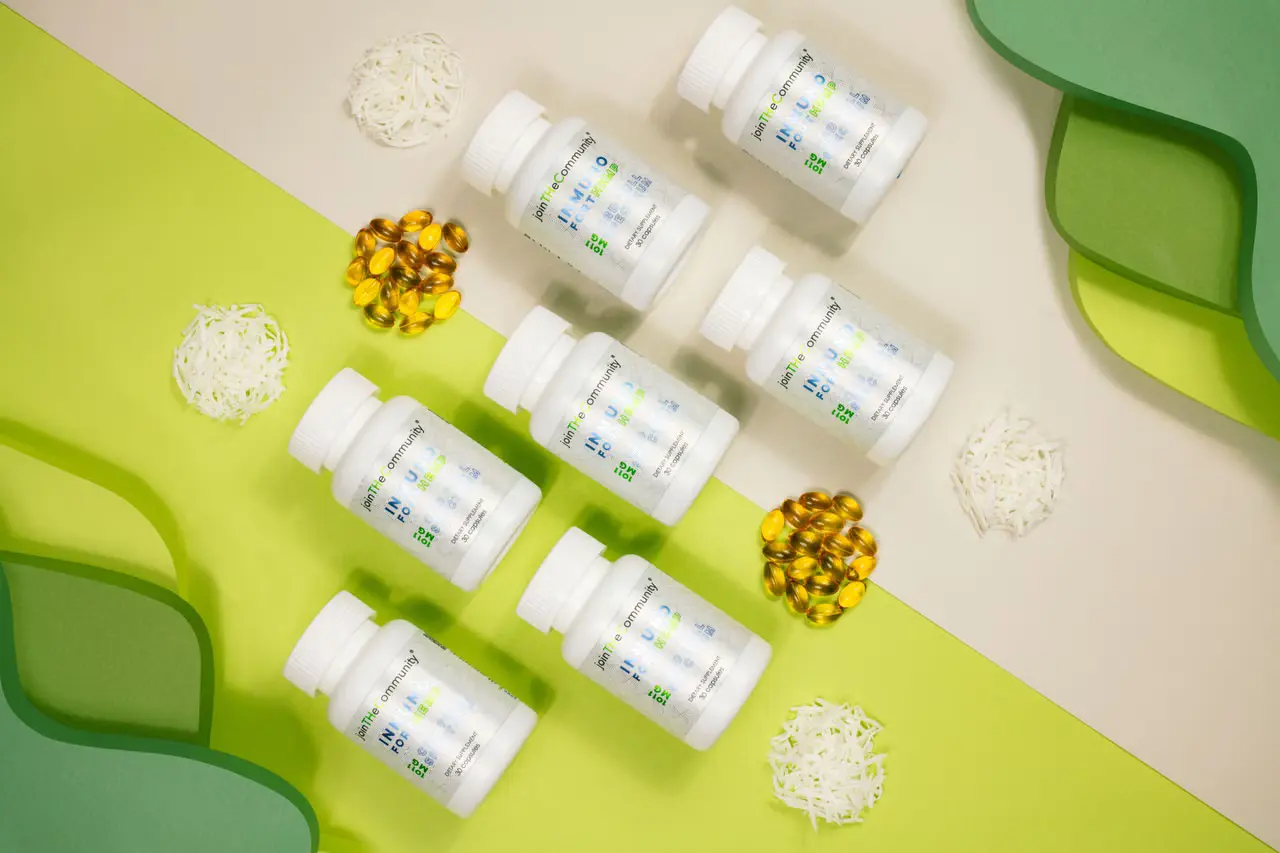
Sleep and Recovery Basics: Practical Habits for Better Rest
A practical guide to sleep and recovery, including consistent sleep times, bedroom habits, caffeine timing and when poor sleep deserves attention.
READ GUIDE →
MORNING LIGHT
Does Morning Light Actually Help You Sleep Better?
Light is one of the strongest environmental signals for your body clock. Timing matters more than the vague advice to simply “get sunlight.”
READ GUIDE →SLEEP HABITS
Timing, caffeine and consistency matter
 CAFFEINEWhen Should You Stop Drinking Caffeine for Better Sleep?Caffeine can affect sleep even when you drink it hours before bed. A practical cutoff depends on sensitivity, dose and bedtime.→
 SLEEP DURATIONDoes Everyone Really Need 8 Hours of Sleep?Eight hours is a useful shorthand, not a requirement for every adult. Healthy sleep needs vary, and regularity and quality matter too.→
SUPPLEMENTS
Separate plausible benefit from broad sleep marketing
 MAGNESIUMMagnesium for Sleep: What the Evidence Really ShowsMagnesium is one of the most popular sleep supplements. The evidence is much less certain than the marketing often suggests.→
 MELATONINMelatonin for Adults: When Does It Help Sleep?Melatonin is one of the most familiar sleep supplements, but its usefulness depends heavily on what sleep problem you are trying to solve.→
TRACKERS & RECOVERY
Use scores as context, not commands
 SLEEP TRACKERSSleep Trackers: How Accurate Are They?A sleep score can look medical because it is precise. Consumer wearables can estimate broad sleep patterns, but detailed sleep stages are less dependable than the screen suggests.→
 RECOVERY SCORESRecovery Scores: Helpful Signal or False Precision?Recovery scores combine imperfect inputs into one confident-looking number. They can be a useful prompt, but they should not overrule symptoms, performance and context.→