What you are really paying for
Validation research suggests some consumer rings can estimate broad sleep measures reasonably well, while still differing from polysomnography and struggling…
The value of a smart ring depends less on whether it produces data and more on whether the data changes something useful about your behavior.
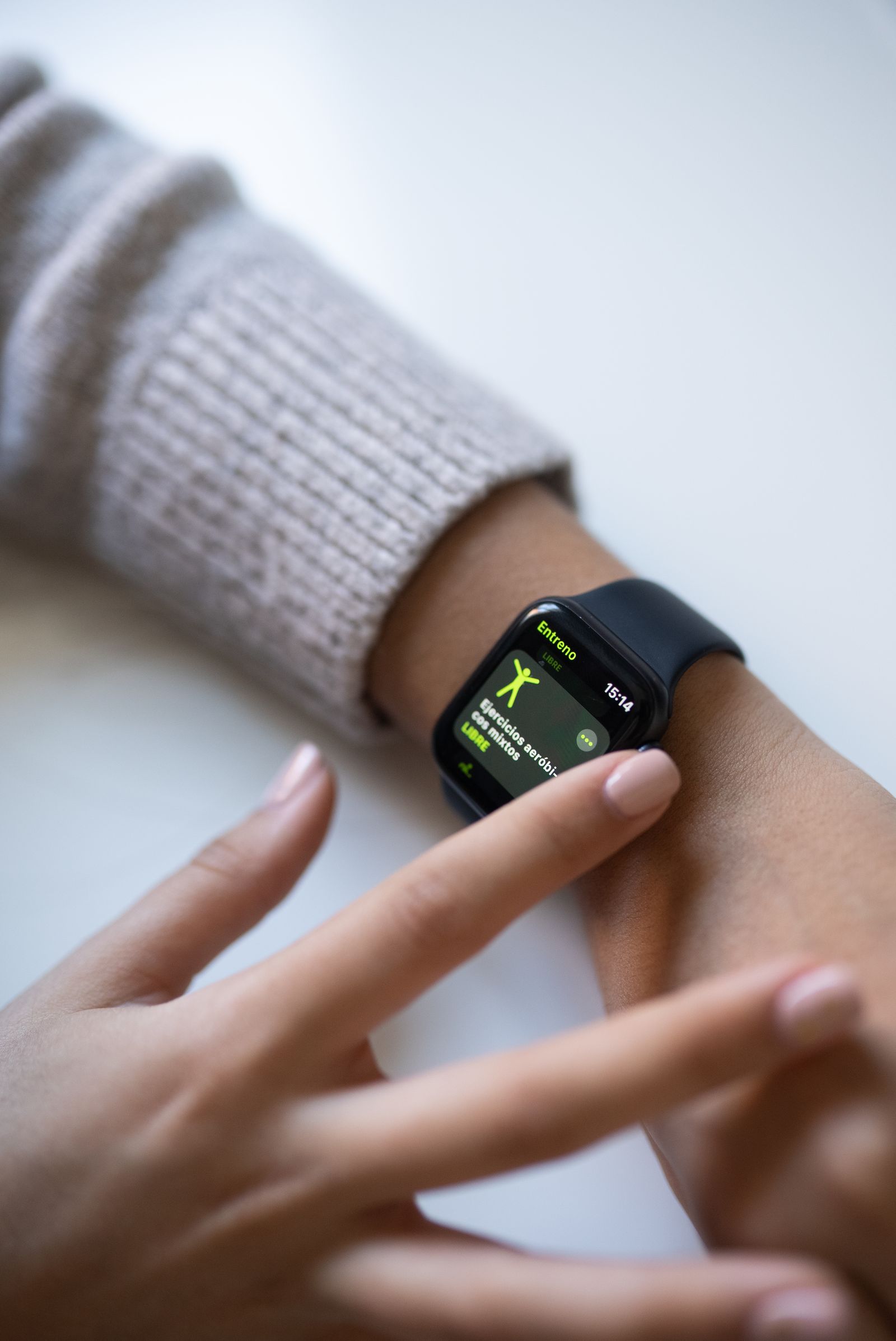
Validation research suggests some consumer rings can estimate broad sleep measures reasonably well, while still differing from polysomnography and struggling…
The ring can be valuable for people who respond to feedback, travel often, work on sleep consistency or want passive tracking without wearing a watch to bed.
It is harder to justify if you already sleep well, dislike subscriptions or know that scores make you obsessive.
Oura is one of the better-known sleep-focused wearables, but “worth it” is not the same question as “does it collect signals?”
Validation research suggests some consumer rings can estimate broad sleep measures reasonably well, while still differing from polysomnography and struggling with detailed staging. That makes the trend data more defensible than treating every sleep-stage minute as ground truth.
The ring can be valuable for people who respond to feedback, travel often, work on sleep consistency or want passive tracking without wearing a watch to bed.
It is harder to justify if you already sleep well, dislike subscriptions or know that scores make you obsessive. The device does not fix sleep; it measures proxies around it.
Before buying, decide what action you would take if the ring showed a problem. If the answer is “nothing,” the data may not be worth the cost.
The buying question is narrower than the health question. A product can have a plausible use and still be poor value. For is an oura ring worth it for sleep, the practical test is whether the product changes a meaningful outcome enough to justify its cost, inconvenience and any downsides.
Context can move the practical answer. Age, medical history, medications, baseline diet or fitness, symptoms, dose, product quality and what someone is already doing can all matter. That is why the Fitness World verdict here is deliberately limited to the claim on this page: Oura can be worth it as a behavior-feedback tool. It is not a clinical sleep test and it is not necessary for good sleep.
Rings, screenless bands and watches now compete on recovery scores, sleep interpretation and increasingly ambitious health insights. Consumer wearable data can be useful for patterns, but the evidence threshold for clinical decisions is higher than the threshold for a wellness score.
Practical decision: pay for a wearable when the measurements you care about are useful enough to change your behavior — not because one proprietary score looks precise.
Is an Oura Ring Worth It for Sleep?
Oura can be worth it as a behavior-feedback tool. It is not a clinical sleep test and it is not necessary for good sleep.
The evidence applies to the specific outcome and population reviewed here; individual results and circumstances can differ.
Oura can be worth it as a behavior-feedback tool. It is not a clinical sleep test and it is not necessary for good sleep.
Before buying, decide what action you would take if the ring showed a problem. If the answer is “nothing,” the data may not be worth the cost.
Ask a question or share your experience.
Use the connected Fitness World guides and tools for the decision you are making next.