The short answer
Use wearable sleep stages as estimates, not as a precise nightly measurement of your brain’s sleep architecture.
Consumer wearables can be useful for sleep trends, but “deep sleep” and “REM” estimates are not the same thing as a sleep-lab measurement.
Use wearable sleep stages as estimates, not as a precise nightly measurement of your brain’s sleep architecture.
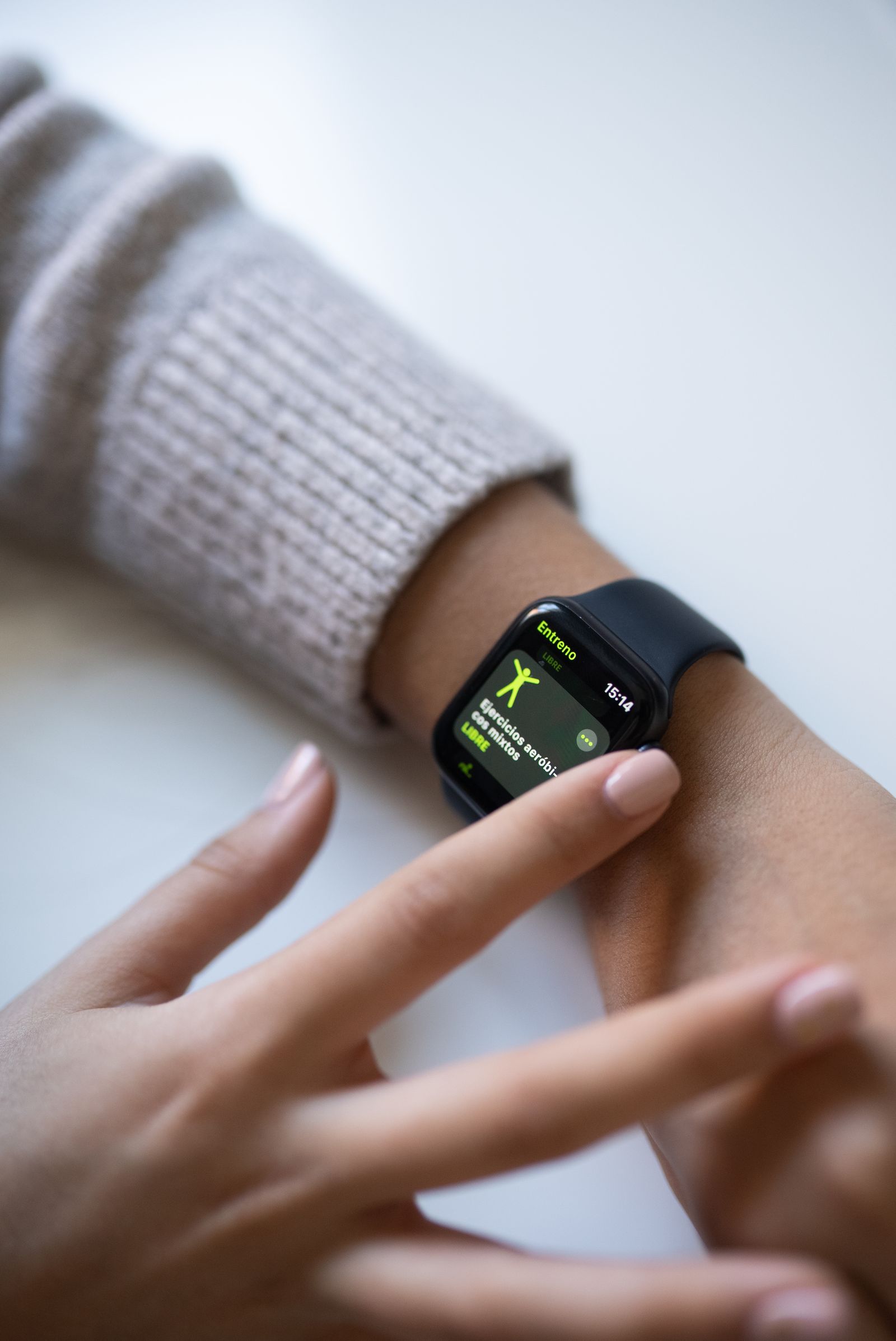
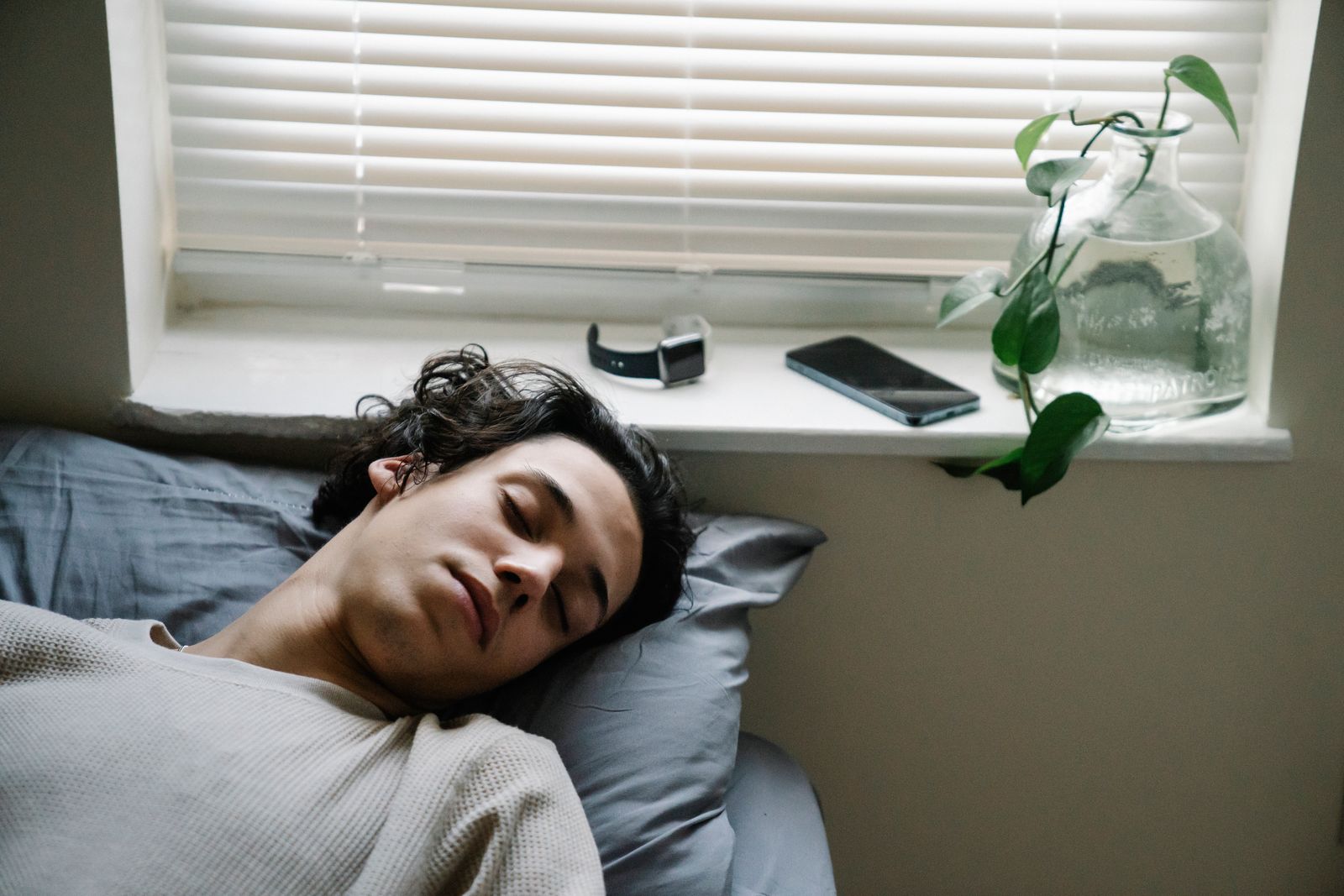
Most consumer watches and rings infer sleep from combinations of movement, heart rate and related signals.
Meta-analyses comparing consumer wearables with polysomnography find meaningful differences in total sleep time, efficiency, wake time and stage estimates.
Consumer wearables can be useful for sleep trends, but “deep sleep” and “REM” estimates are not the same thing as a sleep-lab measurement.
Use wearable sleep stages as estimates, not as a precise nightly measurement of your brain’s sleep architecture.
Most consumer watches and rings infer sleep from combinations of movement, heart rate and related signals. A clinical sleep study uses additional physiological signals, including brain activity, to classify sleep.
Meta-analyses comparing consumer wearables with polysomnography find meaningful differences in total sleep time, efficiency, wake time and stage estimates. Performance varies between devices and algorithms.
A consistent device can still be useful for observing broad patterns: bedtime consistency, approximate sleep duration and changes over weeks.
Do not chase a perfect deep-sleep percentage. Look for repeatable trends and how you feel and function; use clinical evaluation when symptoms suggest a sleep disorder.
Can You Trust the Sleep Stages on Your Watch or Ring?
Use wearable sleep stages as estimates, not as a precise nightly measurement of your brain’s sleep architecture.
The evidence applies to the specific outcome and population reviewed here; individual results and circumstances can differ.
Wearables can provide useful sleep trends, but sleep-stage estimates vary by device and should not be treated as diagnostic measurements.
Consumer wearables estimate sleep stages from signals such as movement and heart rate. They are less accurate than clinical sleep testing and should not be treated as exact measurements.
They can be useful for broad trends such as sleep timing and consistency, especially when you focus on patterns rather than a single night or stage score.
Usually not. A single score can be affected by device error and normal night-to-night variation, so repeated patterns and how you feel are more informative.
Ask a question or share your experience.
Use the connected Fitness World guides and tools for the decision you are making next.