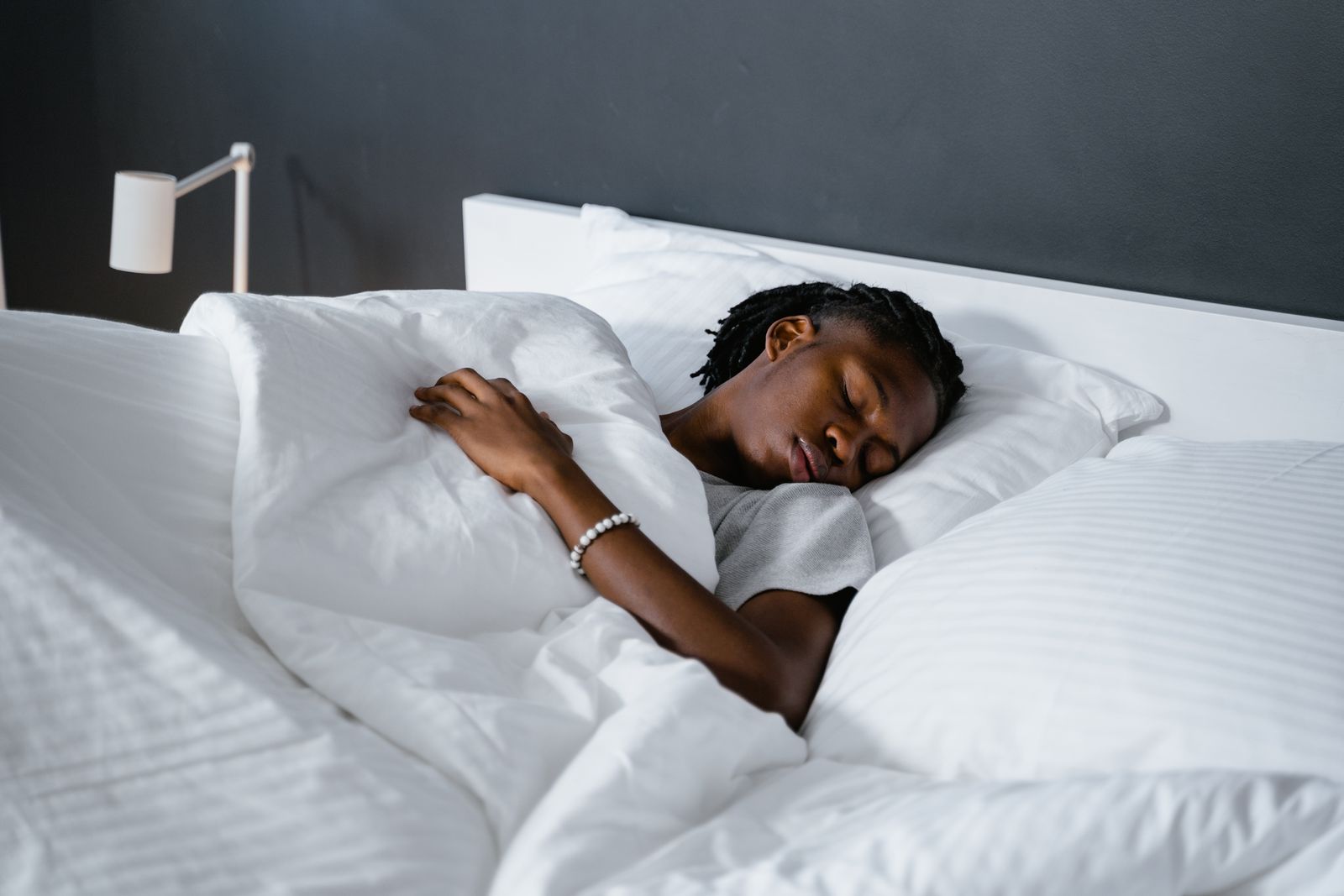
What is true
A 2025 systematic review found limited and heterogeneous evidence for mouth taping in sleep-related conditions and highlighted potential safety concerns.
The trend has far more certainty online than it has in clinical research. Mouth taping may also be unsafe for people with nasal obstruction or sleep-disordered breathing.
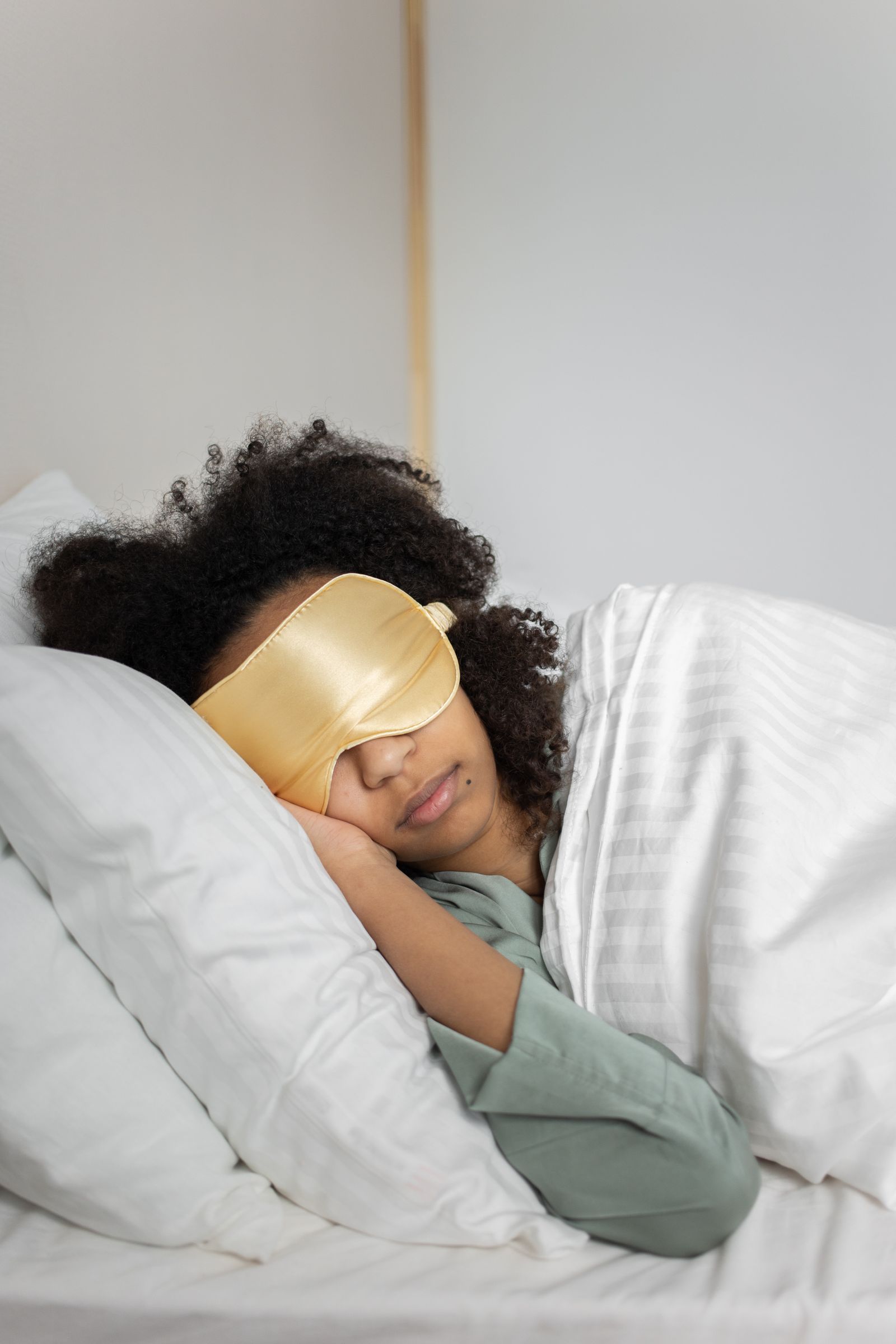
A 2025 systematic review found limited and heterogeneous evidence for mouth taping in sleep-related conditions and highlighted potential safety concerns.
Mouth breathing can be a symptom of nasal obstruction, allergies, anatomy or sleep-disordered breathing.
Snoring, witnessed breathing pauses, excessive daytime sleepiness or persistent nasal blockage deserve proper assessment.
Mouth taping is appealing because the intervention is simple and the before-and-after stories are dramatic. The evidence base is not.
A 2025 systematic review found limited and heterogeneous evidence for mouth taping in sleep-related conditions and highlighted potential safety concerns.
Mouth breathing can be a symptom of nasal obstruction, allergies, anatomy or sleep-disordered breathing. Taping the mouth does not identify or treat the cause.
Snoring, witnessed breathing pauses, excessive daytime sleepiness or persistent nasal blockage deserve proper assessment.
Work on nasal comfort and sleep habits first, and do not use mouth tape as a DIY treatment for suspected sleep apnea.
Viral claims often begin with a real mechanism and then skip directly to a much larger conclusion. With does mouth taping improve sleep, separate the biological possibility from evidence that the habit changes a meaningful human outcome. That distinction is where most wellness myths either shrink or fall apart.
Context can move the practical answer. Age, medical history, medications, baseline diet or fitness, symptoms, dose, product quality and what someone is already doing can all matter. That is why the Fitness World verdict here is deliberately limited to the claim on this page: There is not enough evidence to recommend mouth taping as a general sleep-improvement habit, and it can be inappropriate for some people.
Does Mouth Taping Improve Sleep?
There is not enough evidence to recommend mouth taping as a general sleep-improvement habit, and it can be inappropriate for some people.
The evidence applies to the specific outcome and population reviewed here; individual results and circumstances can differ.
There is not enough evidence to recommend mouth taping as a general sleep-improvement habit, and it can be inappropriate for some people.
Work on nasal comfort and sleep habits first, and do not use mouth tape as a DIY treatment for suspected sleep apnea.
Ask a question or share your experience.
Evidence is limited, and confident social-media claims run ahead of clinical research.
Yes. It may be risky for people with nasal obstruction, breathing problems or possible sleep-disordered breathing.
No. Suspected sleep apnea requires proper clinical evaluation rather than a tape-based workaround.
Use the connected Fitness World guides and tools for the decision you are making next.