The short answer
Treat 'fitness age' as an app-generated summary, not a measurement of biological age.
Fitness-age scores compress several inputs into one attractive number. They can motivate behavior, but they are not a validated measurement of how old your body really is.
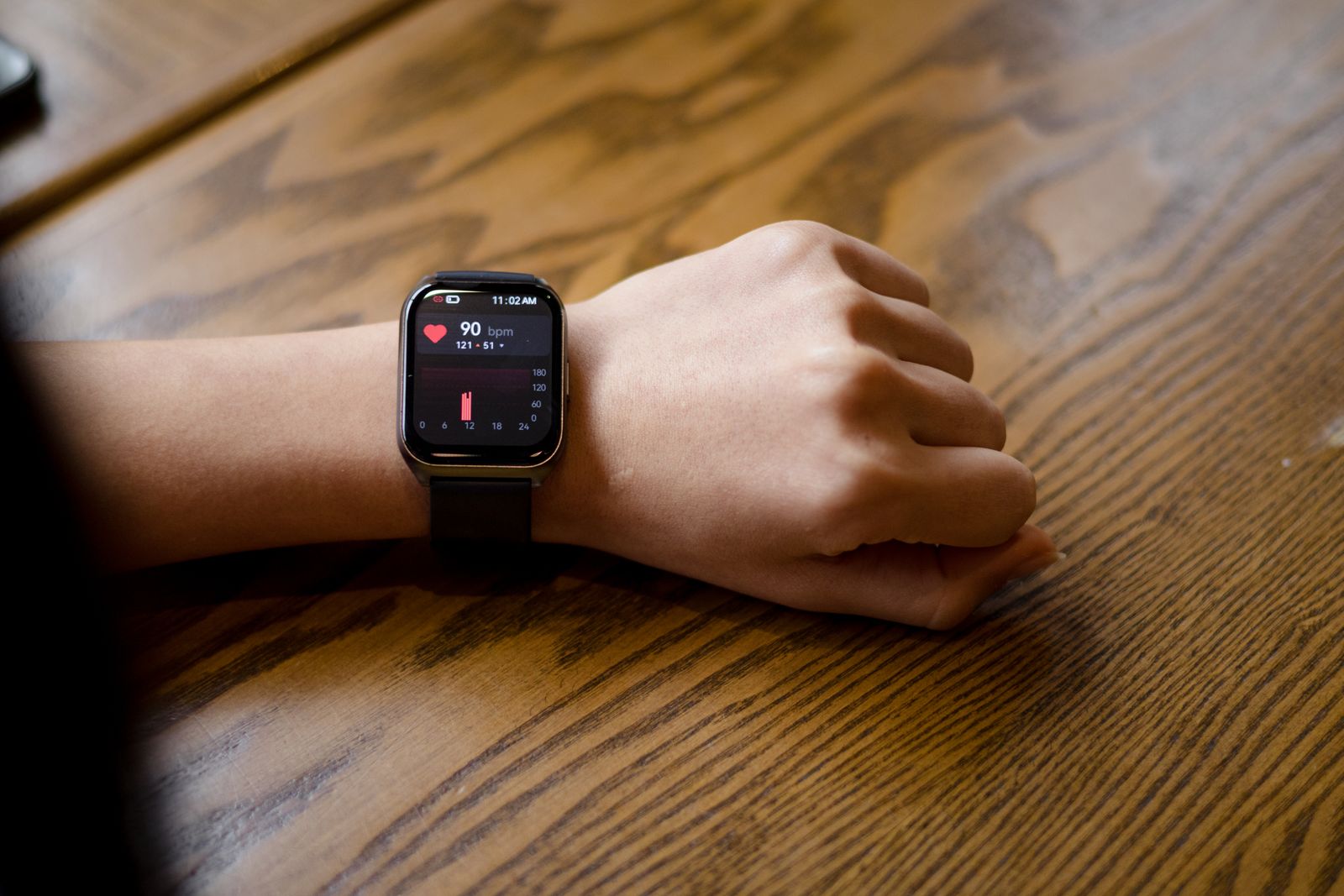
Treat 'fitness age' as an app-generated summary, not a measurement of biological age.
Age is instantly understandable.
Some fitness-age algorithms lean heavily on estimated VO₂ max; others include activity or body composition.
Fitness-age scores compress several inputs into one attractive number. They can motivate behavior, but they are not a validated measurement of how old your body really is.
Treat 'fitness age' as an app-generated summary, not a measurement of biological age. Different platforms use different combinations of VO₂ max estimates, activity, body composition or demographics, so two devices can give different ages to the same person.
Age is instantly understandable. Turning several metrics into 'you are five years younger' creates a stronger emotional response than showing a modest change in aerobic fitness. That makes it good product design, not automatically good science.
Some fitness-age algorithms lean heavily on estimated VO₂ max; others include activity or body composition. Each input has its own measurement error. Combining them does not make the final number more precise than the data underneath.
Researchers study epigenetic clocks, blood-based models and physical-function models of aging. These tools are not interchangeable, and even validated research clocks do not mean a consumer app can determine your body's true age.
If a score encourages regular exercise and improves when your actual fitness improves, it can be a harmless motivational layer. Problems start when users interpret it as proof that they have reversed aging or as a reason to ignore conventional risk factors.
Aerobic fitness, strength, blood pressure, activity, sleep and other established measures are more actionable than the composite age. Improve the inputs; do not chase the badge.
This rating applies to the specific claim examined on this page. Different outcomes can have different levels of evidence.
Should You Trust Your Wearable's 'Fitness Age'?
This rating applies to the specific claim examined on this page. Different outcomes can have different levels of evidence.
Treat 'fitness age' as an app-generated summary, not a measurement of biological age. Different platforms use different combinations of VO₂ max estimates, activity, body composition or demographics, so two devices can give different ages to the same person.
Treat 'fitness age' as an app-generated summary, not a measurement of biological age. Different platforms use different combinations of VO₂ max estimates, activity, body composition or demographics, so two devices can give different ages to the same person.
A wearable's fitness-age score can be motivational, but it is algorithm-dependent and should not be treated as a validated measurement of biological age.
Ask a question or share your experience.
Use the connected Fitness World guides and tools for the decision you are making next.