This week’s signal
A September 9 GeroScience study followed 36 community-dwelling adults ages 64–81 and compared 12 weeks of lower-body resistance training with maintaining usual lifestyle.
A September 2026 study in adults ages 64–81 found that 12 weeks of lower-body resistance training improved objective sleep efficiency and total sleep time. Here’s what it means — and what it does not prove.

A September 9 GeroScience study followed 36 community-dwelling adults ages 64–81 and compared 12 weeks of lower-body resistance training with maintaining usual lifestyle.
The resistance-training group improved objective sleep efficiency and total sleep time; subjective sleep measures were less convincing.
The findings add to evidence that resistance exercise may support more than muscle and strength in older adults, but this was a small study and should not be treated as a sleep treatment trial.
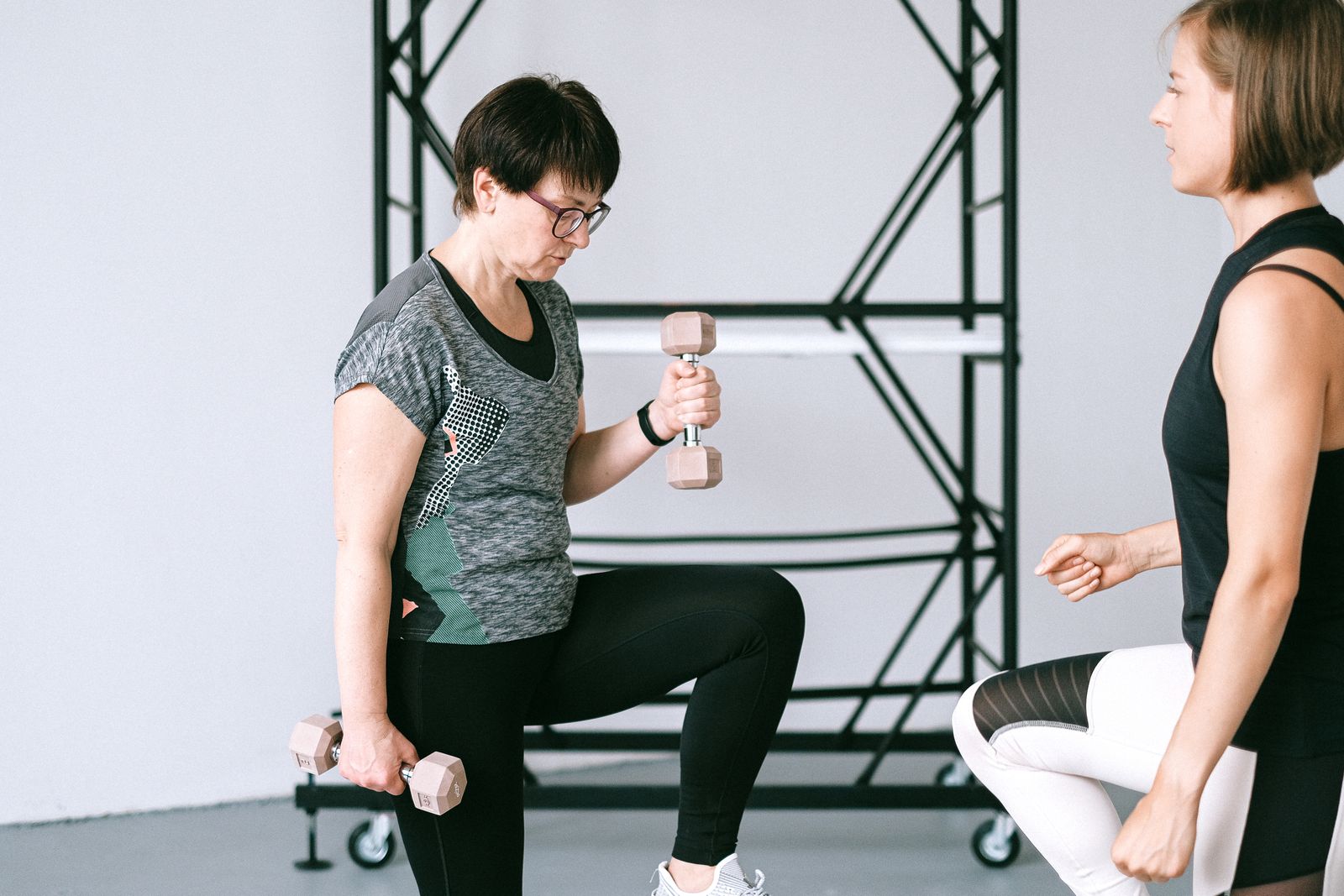
Published September 9, 2026 in GeroScience, the study included 36 community-dwelling adults ages 64–81. Participants were assigned to three weekly sessions of explosive lower-body resistance training for 12 weeks or to a control group that maintained its usual lifestyle.
Compared with control, the resistance-training group improved objective sleep efficiency and total sleep time. The study also reported lower resting sensorimotor lactate; subjective sleep measures were less convincing.
The findings add to evidence that resistance exercise may support more than muscle and strength in older adults. Because the study was small and used a specific training protocol, it should not be treated as proof that resistance training is a treatment for insomnia.
The sample was small, analyzable participant counts varied by outcome, and the intervention used a specific explosive lower-body program. The study does not show that every resistance routine improves sleep, that the effect applies to younger adults, or that exercise should replace evaluation or treatment for persistent sleep problems.
Primary study: Scherrer S, Egger S, Liu X, et al. “Reduced sensorimotor lactate concentration and improved sleep efficiency following resistance training in older adults.” GeroScience. Published September 9, 2026. DOI: 10.1007/s11357-026-02519-x.
Context: Earlier randomized research in older adults has also reported improved sleep efficiency and less sleep fragmentation after resistance training, but protocols and populations differ.
For older adults who can train safely, regular resistance exercise remains useful for strength and function, and this study suggests sleep could be an additional benefit. Treat that as a potential bonus—not a guarantee or a substitute for appropriate care when sleep problems persist.
Ask a question or share your experience.
Use the connected Fitness World guides and tools for the decision you are making next.