The claim
If protein supports muscle and fullness, maximizing it should improve results.
Protein is essential — but the internet’s push to maximize it can make a simple nutrition question sound more extreme than it needs to be.
If protein supports muscle and fullness, maximizing it should improve results.
Protein needs vary with body size, age, activity, overall diet and health.
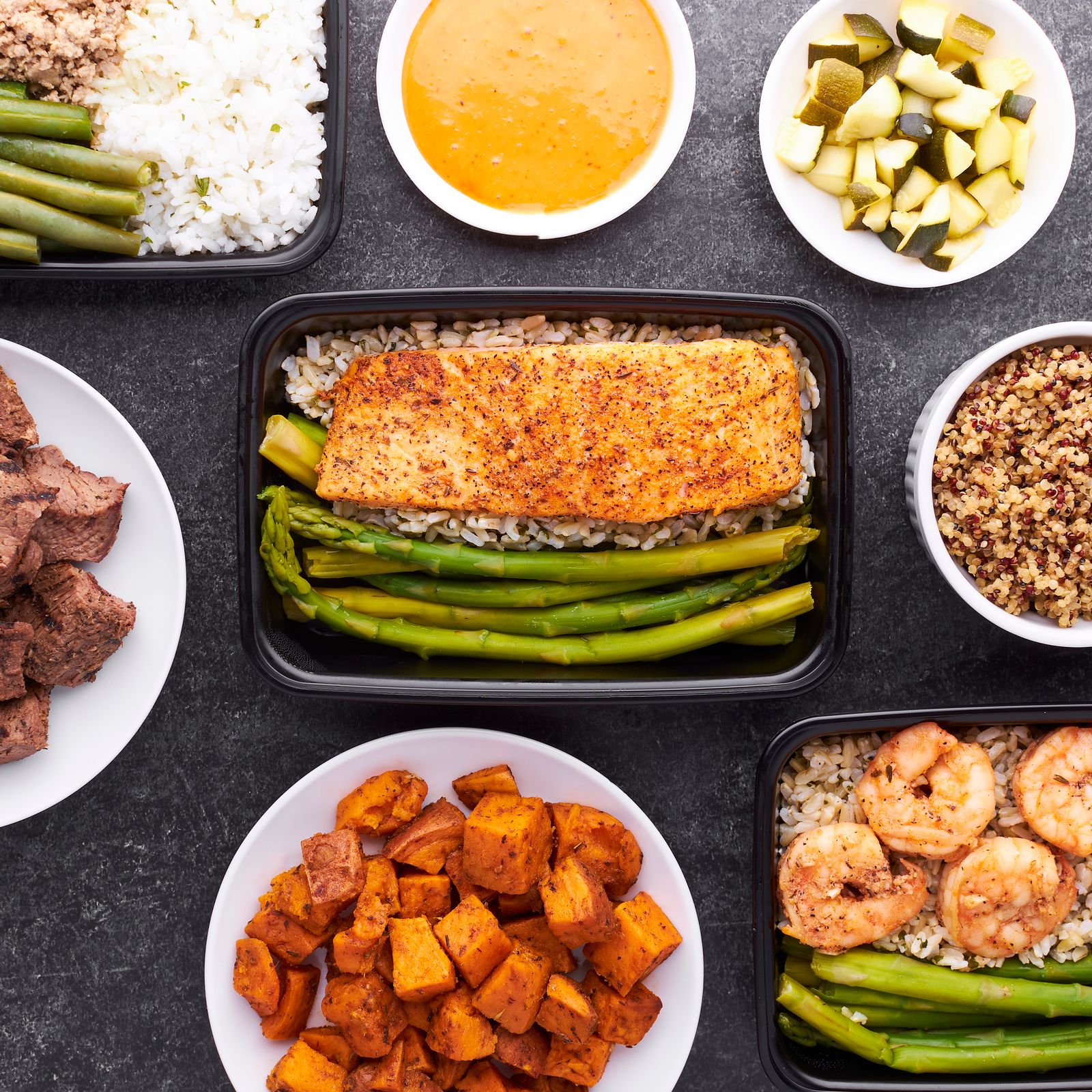
Instead of trying to “max” protein, aim to include a meaningful protein source across meals while keeping the rest of the plate varied.
Proteinmaxxing is the social-media shorthand for pushing protein intake higher — often through shakes, bars and protein-fortified versions of everyday foods. Protein matters for muscle, tissue repair and many normal body functions. The question is whether “more” automatically means “better.”
If protein supports muscle and fullness, maximizing it should improve results. That logic is easy to understand, but nutrition needs are not unlimited.
Protein needs vary with body size, age, activity, overall diet and health. The standard adult reference intake is lower than what many strength-focused diets target, while people doing regular resistance training may benefit from more than the basic minimum. But there is a point where simply adding more protein is unlikely to keep producing more muscle.
The American Medical Association’s 2026 review of proteinmaxxing notes that the trend can encourage useful attention to protein, but also warns against crowding out fiber-rich foods, fruits, vegetables and other parts of a balanced diet.
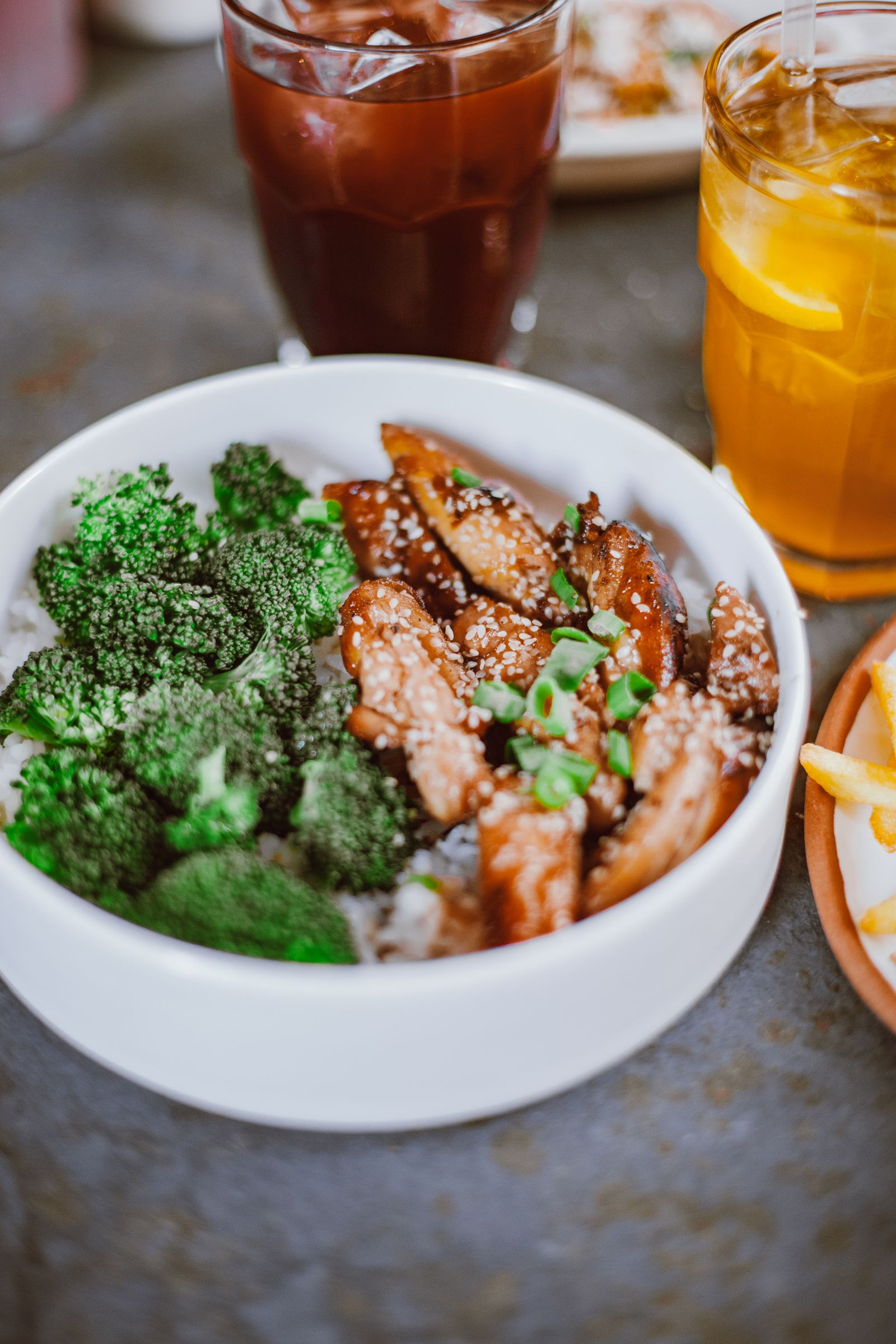
Instead of trying to “max” protein, aim to include a meaningful protein source across meals while keeping the rest of the plate varied. Foods such as eggs, dairy, fish, poultry, beans, lentils, tofu, nuts and seeds can all contribute.
Protein is important. Maximizing it is not automatically better. For most people, the useful question is whether they are meeting their needs in the context of a balanced diet — not whether they can push the number as high as possible.
Proteinmaxxing Is Everywhere — Do You Really Need That Much Protein?
Adequate protein supports muscle and normal body functions, and resistance-trained people may benefit from intakes above the basic minimum.
Benefits do not rise without limit. Very high intakes can crowd out fiber-rich foods and other parts of a balanced diet, and the ideal target varies by person.
More is not automatically better
Aim to meet an appropriate protein need across meals rather than maximizing the number at the expense of the rest of the diet.
Ask a question or share your experience.
Use the connected Fitness World guides and tools for the decision you are making next.