What probably is not necessary
Fiber adds bulk and supports bowel regularity.
Fiber supports digestive health, and certain soluble fibers can modestly lower LDL cholesterol. Here’s how much to aim for and where to get it.

Fiber adds bulk and supports bowel regularity.
Fiber adds bulk and supports bowel regularity.
Fiber is not one single substance or one single benefit.
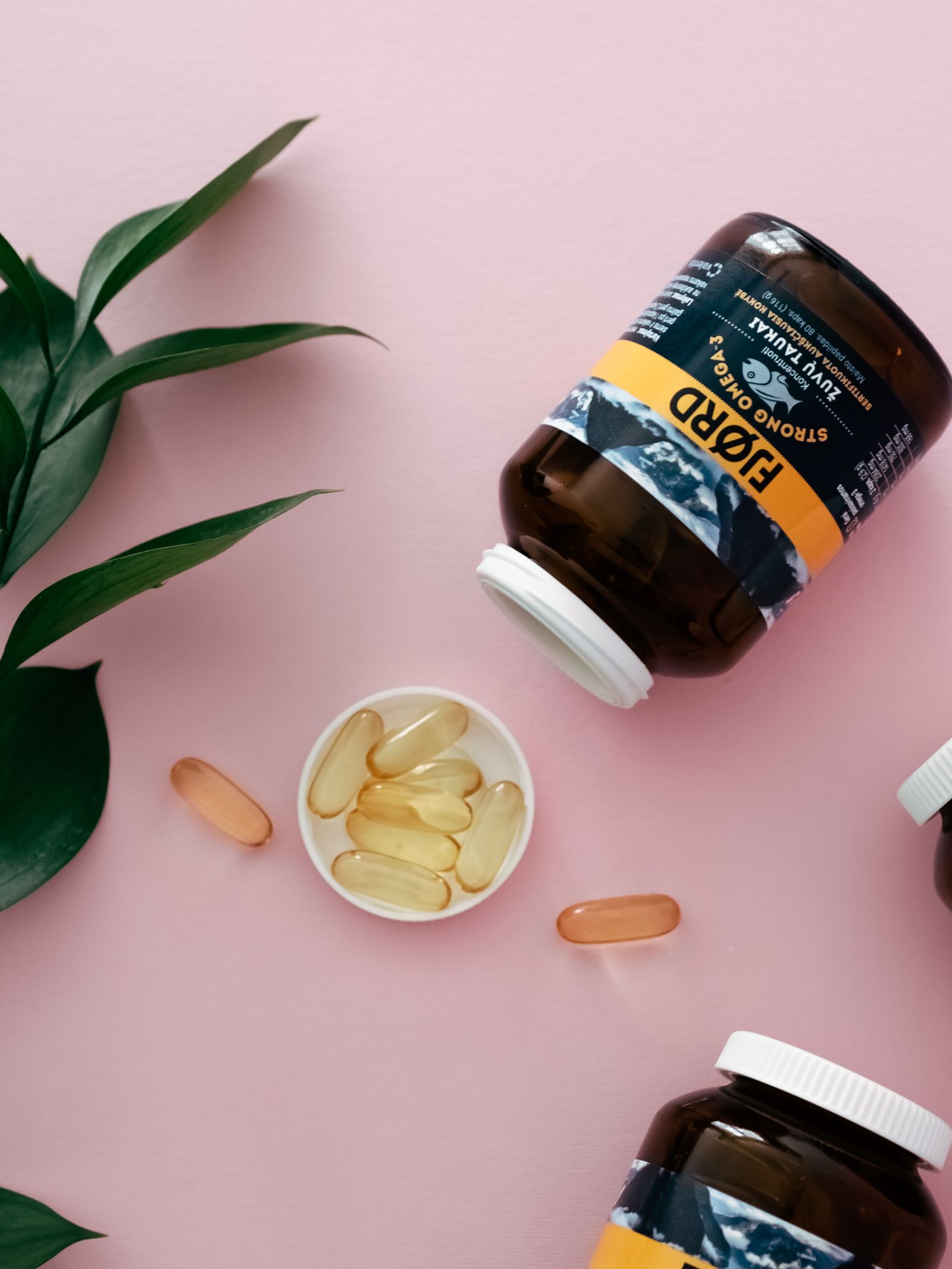
You do not need a fiber supplement if food reliably gets you to a comfortable intake. Supplements can be useful in specific situations, but they are not automatically better than a varied diet.
Fiber adds bulk and supports bowel regularity. Viscous soluble fibers such as psyllium and beta-glucan can also reduce LDL cholesterol modestly when used consistently as part of an overall heart-healthy eating pattern.
The U.S. Nutrition Facts Daily Value is 28 grams per day for a 2,000-calorie diet. That is a labeling reference rather than a personalized prescription, but it gives most adults a practical benchmark.
Fiber is not one single substance or one single benefit. Different fibers affect digestion, stool bulk, fermentation and cholesterol differently. A useful practical target is to make fiber-rich foods a regular part of meals rather than chasing one “superfood.”
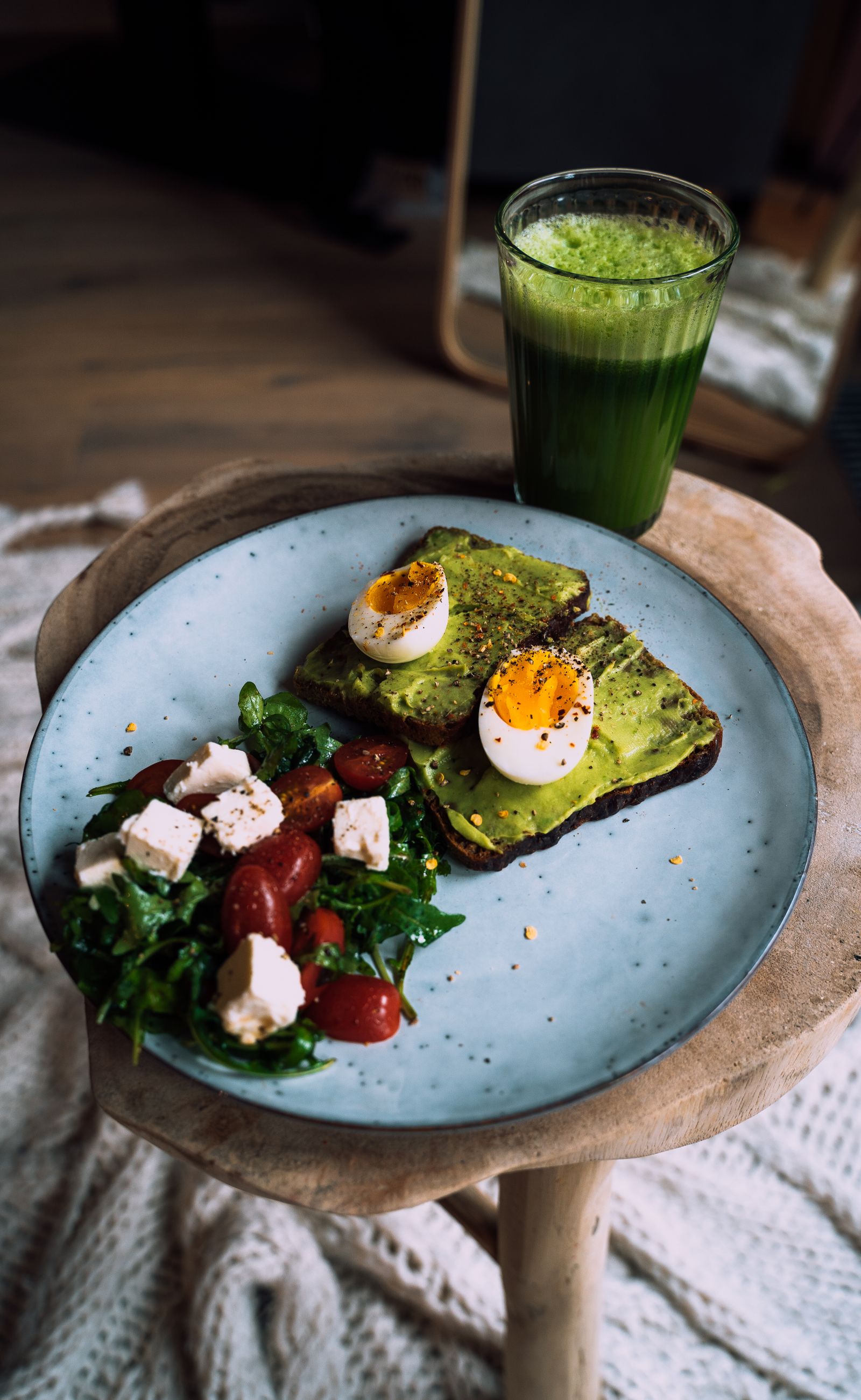
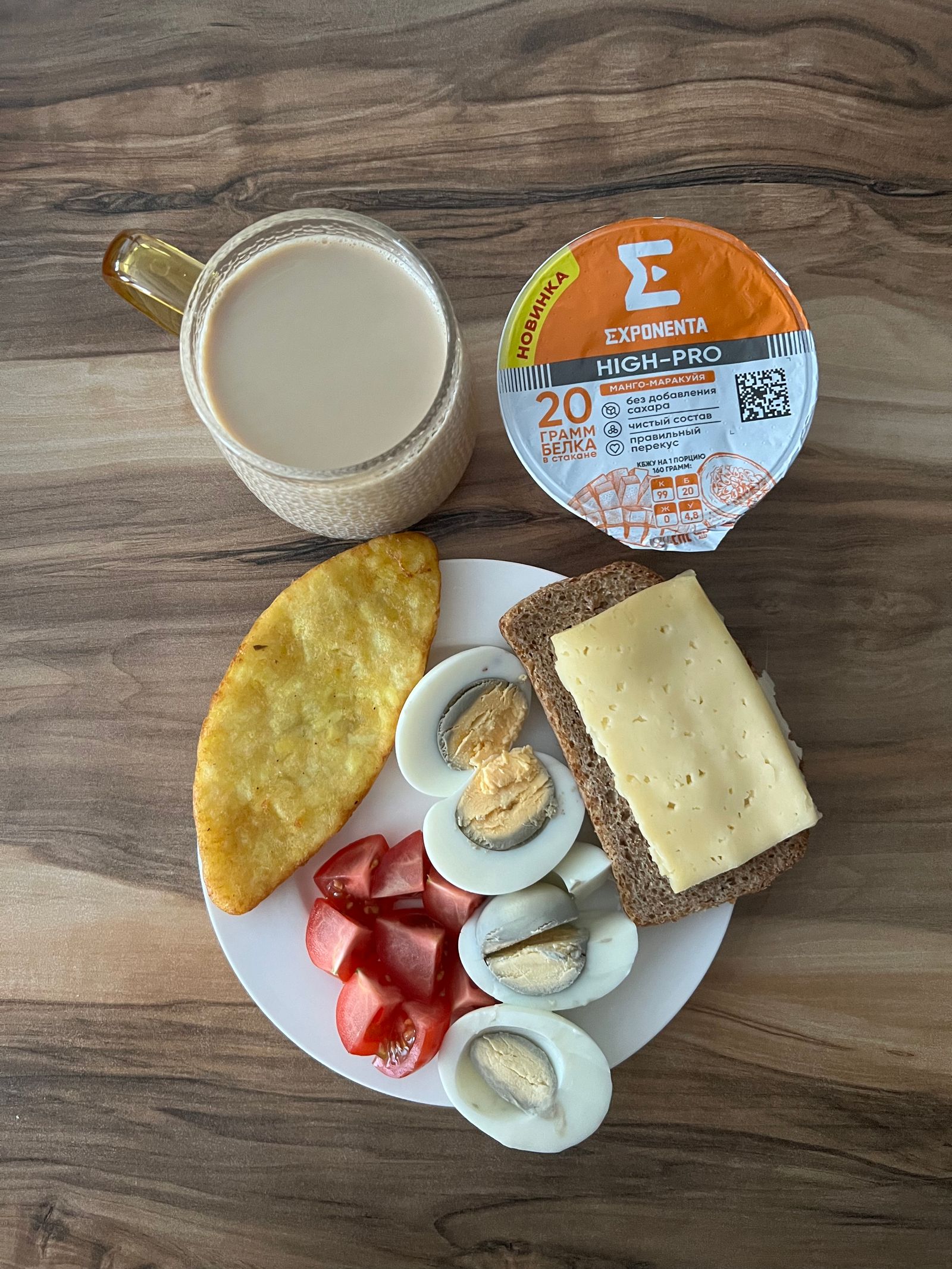
Build fiber gradually from beans, lentils, whole grains, vegetables, fruit, nuts and seeds. The FDA Daily Value is 28 g; individual needs vary, and increasing intake gradually with enough fluid can improve tolerance.
How Much Fiber Do You Actually Need — and What Does It Help With?
Adequate dietary fiber supports bowel function and is associated with important cardiometabolic benefits. Many adults consume less than recommended amounts.
The best amount, fiber type and pace of increase depend on diet, tolerance, symptoms and health conditions.
Supported with context
Ask a question or share your experience.
Targets vary by age, sex and energy intake, and a gradual increase is often easier to tolerate than a sudden jump.
No. Certain fibers can also support cholesterol, blood-glucose regulation and fullness.
Food is the foundation, while supplements can be useful for a defined gap or purpose.
Use the connected Fitness World guides and tools for the decision you are making next.