Quick answer
If your goal is dietary protein for muscle, collagen should not be treated as equivalent to whey, dairy, egg or well-formulated plant proteins.
Collagen peptides and conventional protein powders are both protein products, but their amino-acid profiles and best-supported uses are different.

If your goal is dietary protein for muscle, collagen should not be treated as equivalent to whey, dairy, egg or well-formulated plant proteins.
Muscle protein synthesis depends on adequate essential amino acids, including leucine.
Collagen products are usually purchased for skin, joints or connective tissue rather than simply to hit a protein target.
Fitness World evaluates the claim, the quality of the evidence and what the result means in practice.
If your goal is dietary protein for muscle, collagen should not be treated as equivalent to whey, dairy, egg or well-formulated plant proteins. Collagen is rich in glycine, proline and hydroxyproline but low in several essential amino acids.
Muscle protein synthesis depends on adequate essential amino acids, including leucine. Complete proteins provide these in proportions better suited to the muscle-building goal.
Collagen products are usually purchased for skin, joints or connective tissue rather than simply to hit a protein target. Those claims need their own evidence review.
Yes, but there is no need to buy both by default. Someone meeting protein needs through food may not need conventional powder either.
Compare price per serving against the actual outcome you want. A premium collagen product should not quietly replace protein-rich foods while being counted as though all protein sources are interchangeable.
Choose the product according to the job: complete protein for protein adequacy and muscle; collagen only when targeting a collagen-specific outcome with realistic expectations.
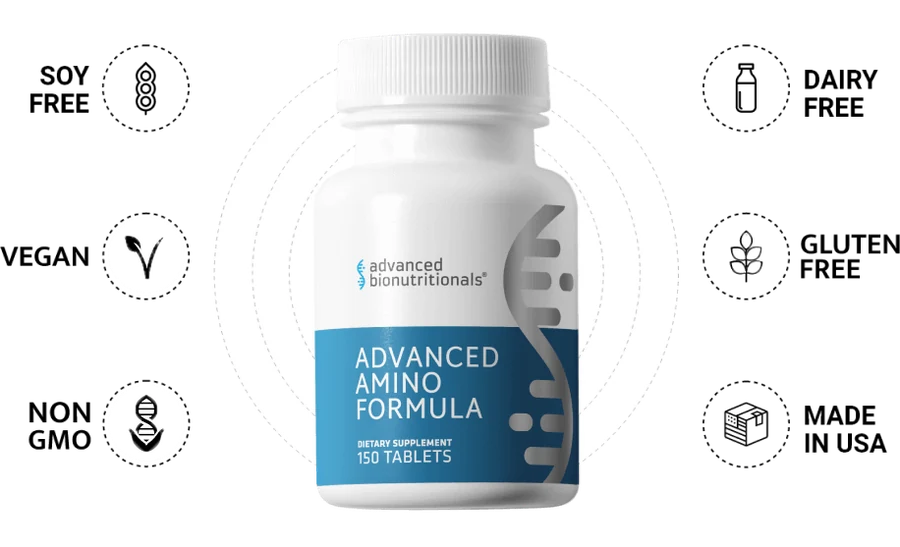
Essential amino acids participate in muscle protein synthesis, but supplements are not a replacement for adequate dietary protein or resistance training.
EXPLORE ADVANCED AMINO FORMULACollagen vs Protein Powder: What’s the Difference?
For meeting general protein needs and supporting muscle, use a high-quality complete protein or protein-rich food. Consider collagen only for a specific collagen-related goal where the evidence and cost make sense.
The evidence applies to the specific outcome and population reviewed here; individual results and circumstances can differ.
For meeting general protein needs and supporting muscle, use a high-quality complete protein or protein-rich food. Consider collagen only for a specific collagen-related goal where the evidence and cost make sense.
Choose the product according to the job: complete protein for protein adequacy and muscle; collagen only when targeting a collagen-specific outcome with realistic expectations.
Ask a question or share your experience.
An umbrella review of meta-analyses found favorable signals across several skin and musculoskeletal outcomes, but that does not make collagen interchangeable with a complete dietary protein strategy or prove every marketing claim. The useful question is the specific outcome being targeted, the quality of the underlying trials and whether the effect is meaningful in practice.
Use the connected Fitness World guides and tools for the decision you are making next.