The short answer
You usually cannot know from scale weight alone.
No home metric can perfectly separate fat from muscle. Strength trends, training performance and sensible body-composition measurements can tell a more useful story together.
You usually cannot know from scale weight alone.
DXA and other body-composition methods often report lean mass, which includes more than skeletal muscle and is affected by hydration and glycogen.
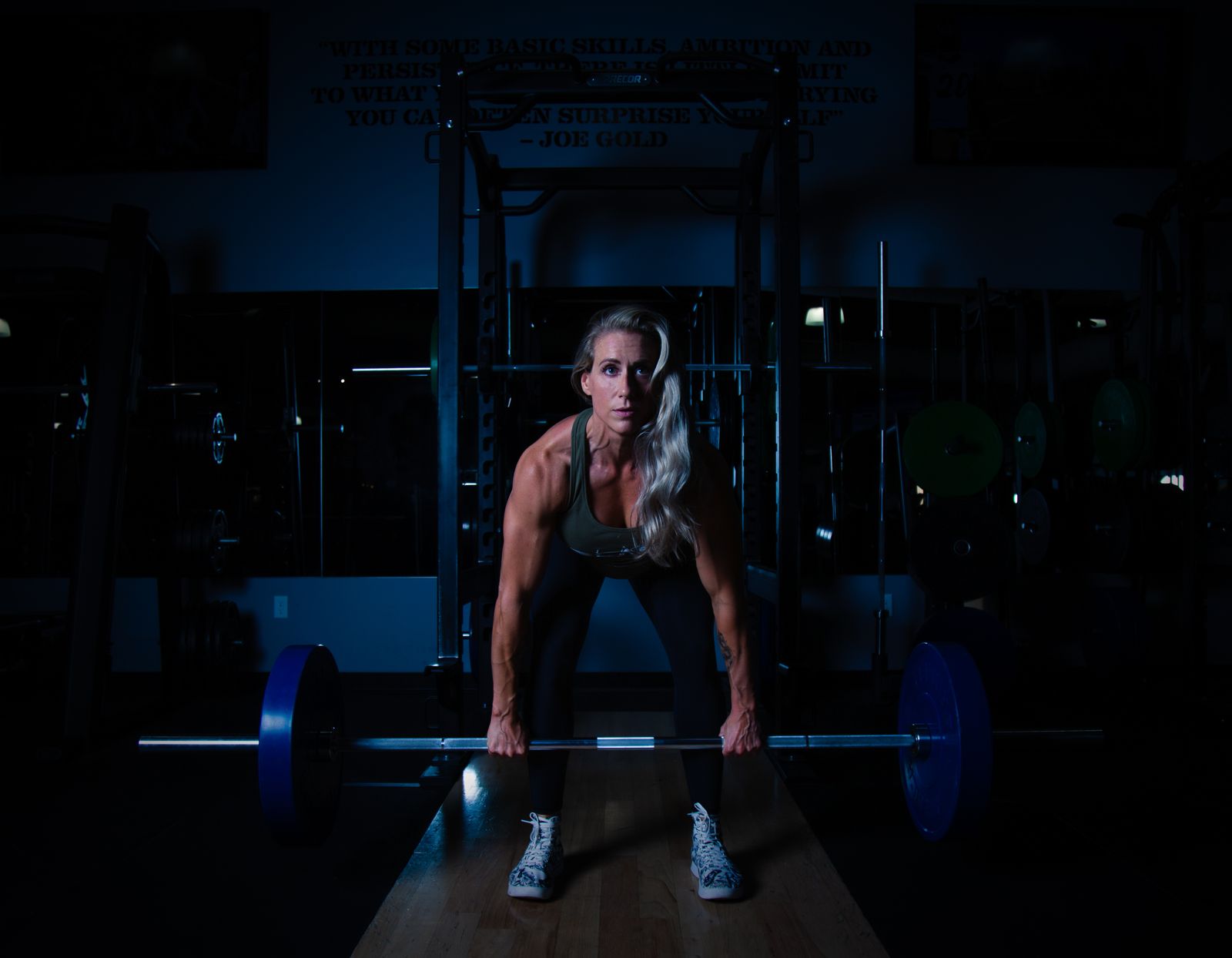
If body weight is falling while you maintain or improve strength in well-practiced lifts, that is reassuring.
No home metric can perfectly separate fat from muscle. Strength trends, training performance and sensible body-composition measurements can tell a more useful story together.
You usually cannot know from scale weight alone. Body-composition scans can estimate lean tissue, but each method has limitations. In everyday life, a combination of strength, training performance, body measurements and—when appropriate—more formal body-composition testing is more useful than one number.
DXA and other body-composition methods often report lean mass, which includes more than skeletal muscle and is affected by hydration and glycogen. A change in lean mass is therefore not a perfect measurement of muscle protein lost.
If body weight is falling while you maintain or improve strength in well-practiced lifts, that is reassuring. A sustained decline in several movements, especially alongside poor intake and fatigue, deserves attention. One bad workout does not diagnose muscle loss.
Bioelectrical-impedance scales are sensitive to hydration, food intake and timing. They can be useful for broad trends under consistent conditions, but a small week-to-week change in 'muscle mass' should not trigger a major diet change.
DXA can provide a more standardized estimate of body composition, but it still does not directly measure every muscle and is not necessary for everyone. Repeating a test under similar conditions matters if you are comparing results.
Resistance training and adequate protein have stronger practical evidence for preserving muscle during weight loss than obsessing over measurement precision. If the goal is healthy weight loss, protect the tissue before trying to measure every gram of it.
How Can You Tell If You're Losing Muscle While Losing Weight?
You usually cannot know from scale weight alone. Body-composition scans can estimate lean tissue, but each method has limitations. In everyday life, a combination of strength, training performance, body measurements and—when appropriate—more formal body-composition testing is more useful than one number.
The evidence applies to the specific outcome and population reviewed here; individual results and circumstances can differ.
Scale weight cannot tell you whether you are losing muscle. Use strength and performance trends plus appropriately interpreted body-composition measures, and prioritize resistance training and adequate protein.
Resistance training and adequate protein have stronger practical evidence for preserving muscle during weight loss than obsessing over measurement precision. If the goal is healthy weight loss, protect the tissue before trying to measure every gram of it.
Ask a question or share your experience.
Use the connected Fitness World guides and tools for the decision you are making next.