The short answer
Protein at breakfast can be a practical way to improve a low-protein day.
Breakfast is often the lowest-protein meal of the day. Raising it can be useful, but the evidence does not make breakfast protein a magic muscle-preserving rule.

Protein at breakfast can be a practical way to improve a low-protein day.
Many people eat little protein in the morning and much more at dinner.
A 2025 scoping review found potential benefits for muscle mass in several studies, but the relationship with strength remained unclear.
Breakfast is often the lowest-protein meal of the day. Raising it can be useful, but the evidence does not make breakfast protein a magic muscle-preserving rule.
Protein at breakfast can be a practical way to improve a low-protein day. But current trials do not show that morning protein has a special muscle-building effect independent of total intake, training and the rest of the diet.
Many people eat little protein in the morning and much more at dinner. That led to a reasonable hypothesis: spreading useful servings of protein across the day might give muscle more opportunities to respond than concentrating most protein in one meal.
A 2025 scoping review found potential benefits for muscle mass in several studies, but the relationship with strength remained unclear. A newer 2026 meta-analysis of randomized trials in adults 60 and older found no clear improvement in lean mass, grip strength or lower-limb strength from morning protein; the authors rated the evidence as very uncertain.
The breakfast question should not distract from the bigger one: are you eating enough protein over the whole day? Distribution is difficult to separate from quantity because adding protein to breakfast often raises total protein too.
If breakfast is currently toast and coffee, adding eggs, Greek yogurt, cottage cheese, milk, soy foods or another protein-rich food can make the day's target easier to reach. You do not need to force a 40-gram breakfast if it crowds out food you enjoy or leaves you uncomfortably full.
Those numbers are useful planning ranges, not biological pass/fail lines. Protein needs scale with body size and context, and the muscle response is influenced by the protein source, the meal and whether you train.
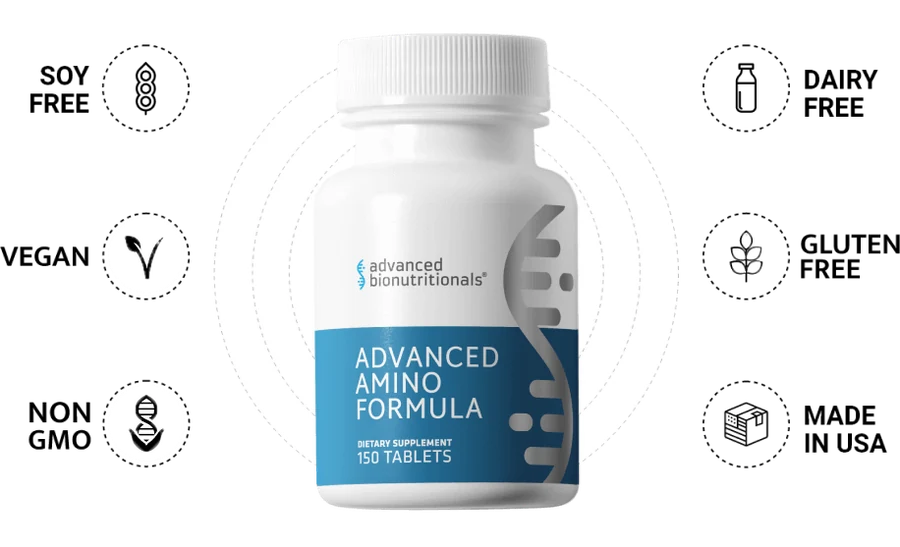
Essential amino acids participate in muscle protein synthesis, but supplements are not a replacement for adequate dietary protein or resistance training.
EXPLORE ADVANCED AMINO FORMULAProtein at Breakfast After 40: When Meal Timing Helps
Protein at breakfast can be a practical way to improve a low-protein day. But current trials do not show that morning protein has a special muscle-building effect independent of total intake, training and the rest of the diet.
The evidence applies to the specific outcome and population reviewed here; individual results and circumstances can differ.
A higher-protein breakfast can help fix an uneven or inadequate protein intake. Evidence that breakfast itself has a unique muscle advantage is still uncertain.
If breakfast is currently toast and coffee, adding eggs, Greek yogurt, cottage cheese, milk, soy foods or another protein-rich food can make the day's target easier to reach. You do not need to force a 40-gram breakfast if it crowds out food you enjoy or leaves you uncomfortably full.
Ask a question or share your experience.
Use the connected Fitness World guides and tools for the decision you are making next.