What Is Ginger?
Ginger comes from the rhizome of Zingiber officinale .
Learn what ginger is used for, what research says about nausea, practical ways to use it, and important safety considerations.
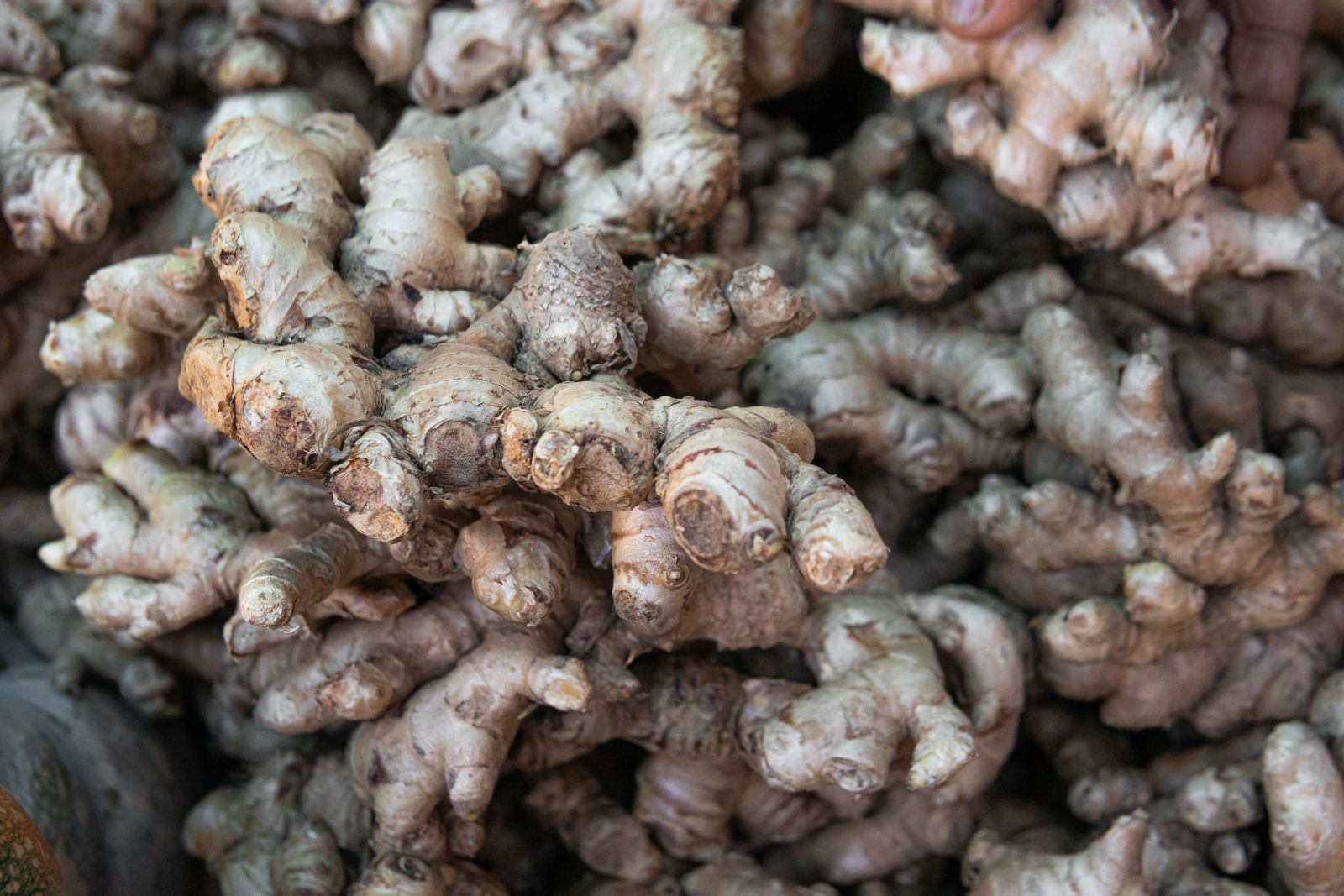
Ginger comes from the rhizome of Zingiber officinale .
Food-level use is different from taking a concentrated supplement.
NCCIH notes that ginger can cause mild side effects such as abdominal discomfort, heartburn, diarrhea or gas in some people.
Ginger comes from the rhizome of Zingiber officinale. It is widely used in cooking and has a long history of traditional use.
Fresh ginger, dried ginger, powdered ginger and concentrated supplements are not identical. Research on supplements should not automatically be assumed to apply to a cup of ginger tea or food made with ginger.
The U.S. National Center for Complementary and Integrative Health (NCCIH) reports that ginger has been studied for several types of nausea and vomiting. Evidence is strongest for pregnancy-related nausea, while results are less certain for other situations.
That distinction matters: ginger should not be described as a universal treatment for nausea, and persistent or severe symptoms deserve appropriate medical evaluation.
Food-level use is different from taking a concentrated supplement. If you are considering a supplement, especially alongside medication, check with a qualified health professional.
NCCIH notes that ginger can cause mild side effects such as abdominal discomfort, heartburn, diarrhea or gas in some people. Herbal products can also interact with medicines.
Pregnancy, breastfeeding, gallbladder disease, medication use and other personal medical factors are reasons to ask a qualified clinician or pharmacist before using concentrated ginger products.
Ginger can be a useful culinary ingredient and may help some forms of nausea, but the evidence is specific rather than universal. Use realistic expectations, separate food use from supplement use, and prioritize safety.
For a deeper Fitness World reference to natural ingredients and their evidence context, explore the 30-Day Natural Wellness Reset.
Ginger Benefits: Uses, Nutrition & What to Know
Ginger has evidence for some specific uses, particularly nausea, and it can be a useful food or tea ingredient.
Evidence is claim-specific; broad promises about inflammation, immunity, weight loss or treating disease go beyond what can be concluded from one ingredient.
Useful for specific purposes, not a cure-all
Use ginger as food or tea if you enjoy it, and judge supplement-style claims by the specific outcome, dose and evidence.
Ask a question or share your experience.
Use the connected Fitness World guides and tools for the decision you are making next.