Quick answer
A probiotic is a live microorganism shown to confer a health benefit when given in an adequate amount.
Fermented foods and probiotic supplements are often discussed as though they are interchangeable. Scientifically, they are not.
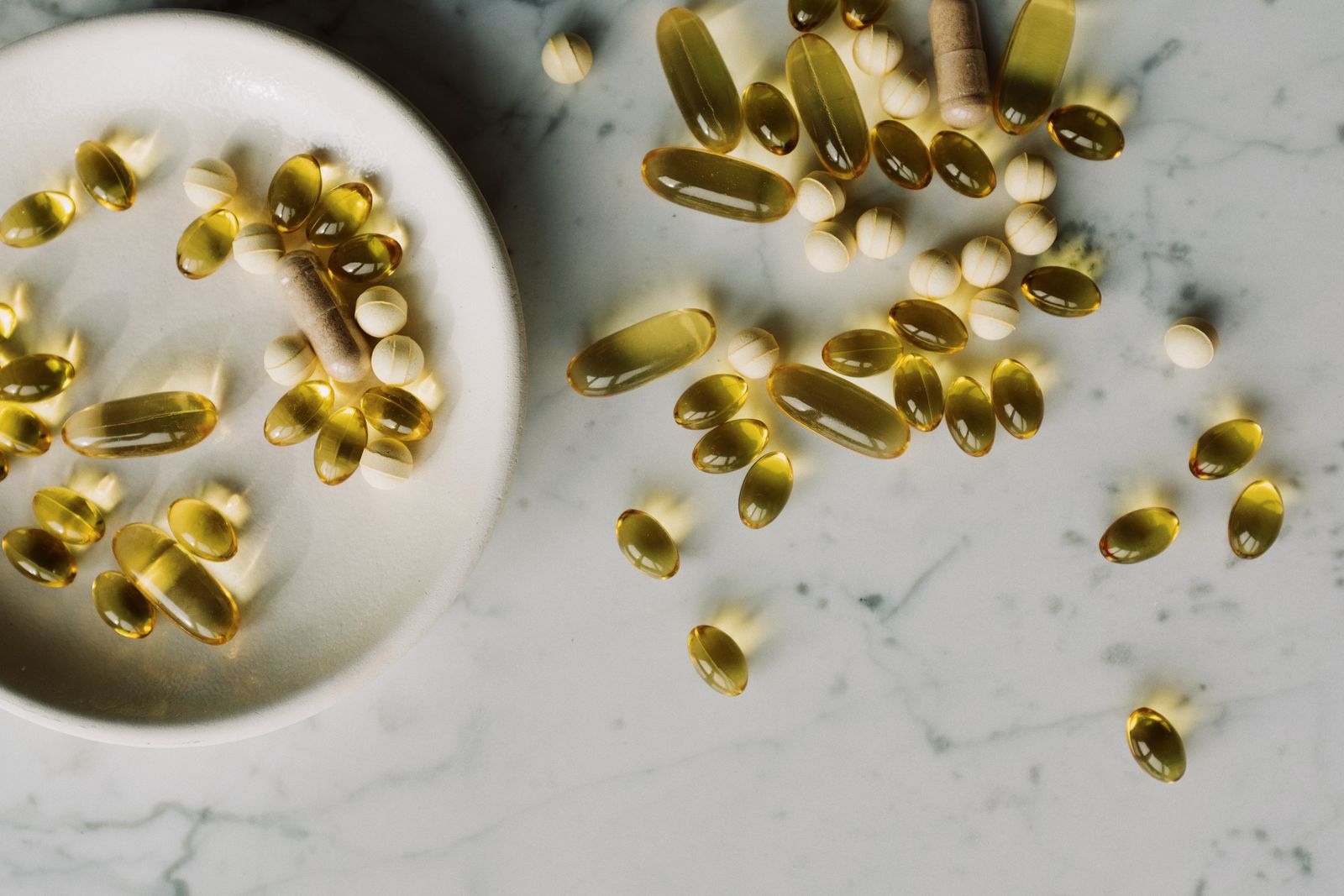
A probiotic is a live microorganism shown to confer a health benefit when given in an adequate amount.
Probiotic effects can be strain-specific.
Yogurt, kefir, kimchi and other fermented foods can contribute nutrients and dietary variety.
Fitness World evaluates the claim, the quality of the evidence and what the result means in practice.
A probiotic is a live microorganism shown to confer a health benefit when given in an adequate amount. A fermented food is produced through microbial growth and enzymatic conversion. Some fermented foods contain live microbes; that does not automatically make them clinically validated probiotics.
Probiotic effects can be strain-specific. Evidence for one organism, dose and condition cannot simply be transferred to every product labeled “probiotic.”
Yogurt, kefir, kimchi and other fermented foods can contribute nutrients and dietary variety. Their microbial composition varies by product and processing, and some fermented products do not contain live organisms at the point of consumption.
Research covers many different outcomes, populations and products. There is no scientifically defensible verdict that “probiotics work” for everything or that “fermented foods heal the gut.”
Food can be the default for everyday eating. A supplement makes more sense when there is evidence for a named strain/product and a defined goal.
Look for genus, species, strain, dose through shelf life and storage instructions. A huge CFU number alone does not prove better clinical performance.
Probiotic Supplements vs Fermented Foods: Which Makes More Sense?
Choose fermented foods because you enjoy them and they fit a healthy diet. Choose a probiotic only when a specific strain has evidence for the specific outcome you care about. Do not assume every fermented food is a probiotic.
The evidence applies to the specific outcome and population reviewed here; individual results and circumstances can differ.
Choose fermented foods because you enjoy them and they fit a healthy diet. Choose a probiotic only when a specific strain has evidence for the specific outcome you care about. Do not assume every fermented food is a probiotic.
Look for genus, species, strain, dose through shelf life and storage instructions. A huge CFU number alone does not prove better clinical performance.
Ask a question or share your experience.
Use the connected Fitness World guides and tools for the decision you are making next.