What 'regaining' really means
If muscle was lost during inactivity, illness or years without strength training, some of the return may happen alongside a rapid recovery of skill and strength.
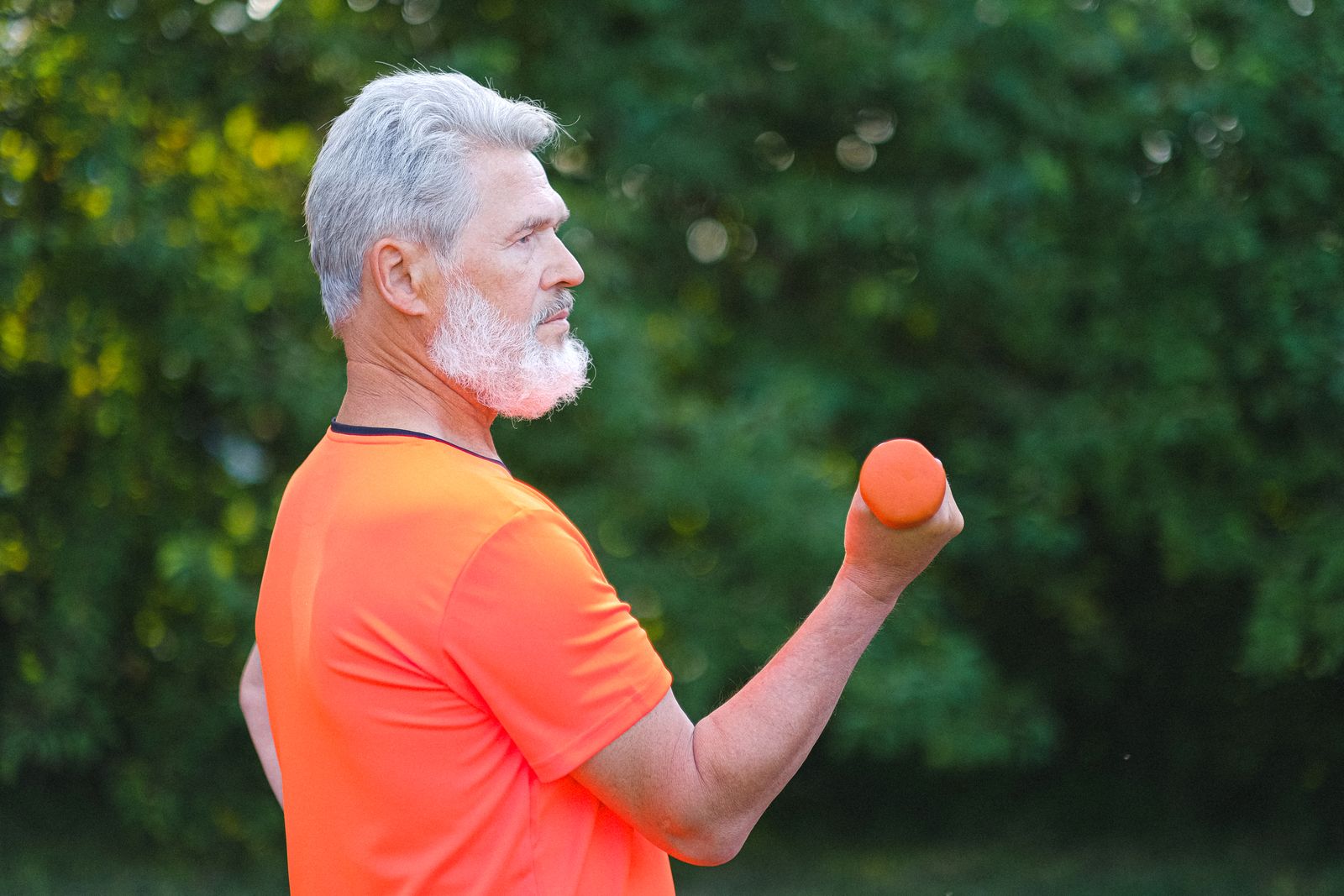
Muscle lost through age, inactivity or a long break is not automatically gone for good. Older muscle can still respond to progressive resistance training.
If muscle was lost during inactivity, illness or years without strength training, some of the return may happen alongside a rapid recovery of skill and strength.
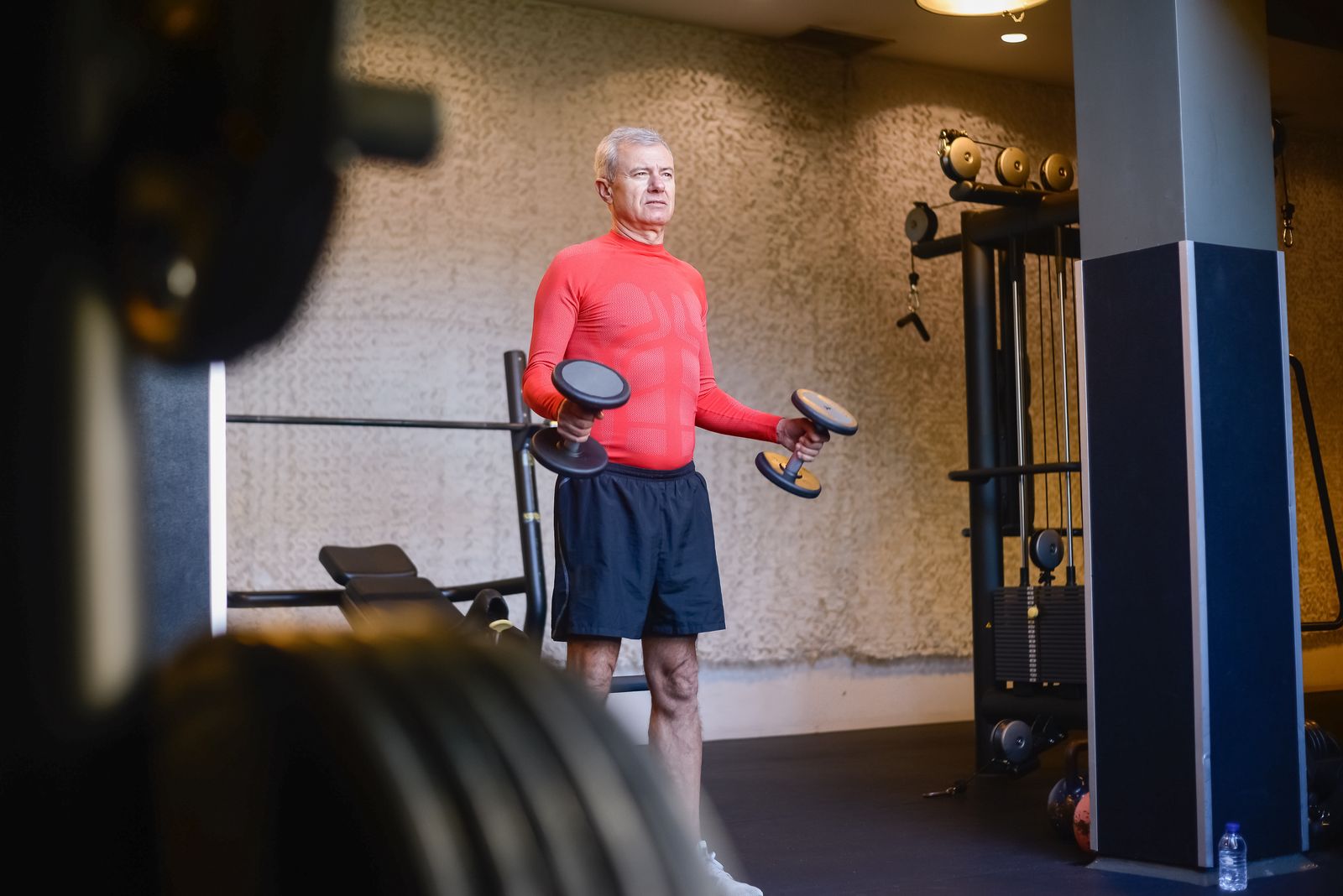
Older muscle can be less responsive to a single training or protein stimulus, and recovery capacity varies widely.
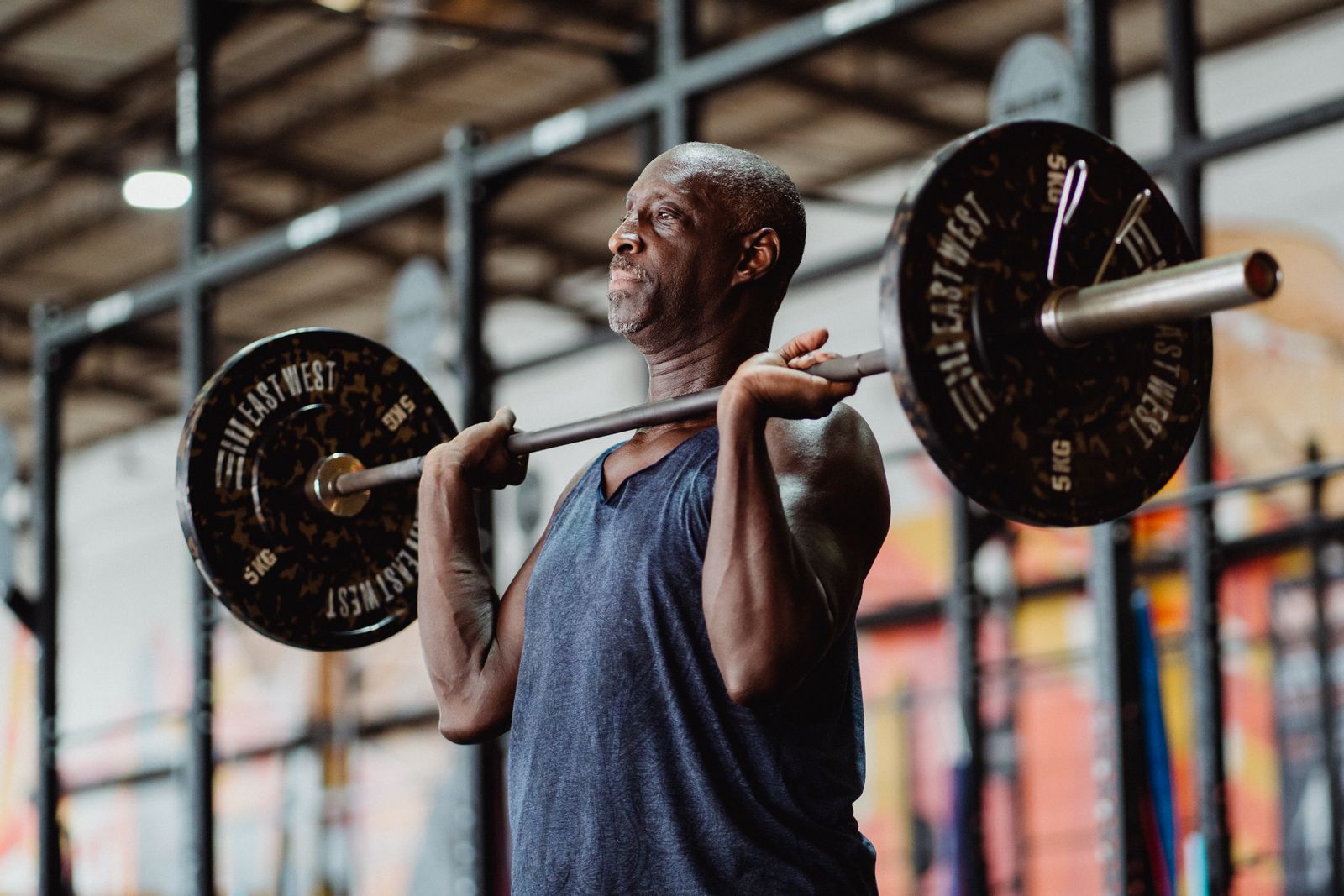
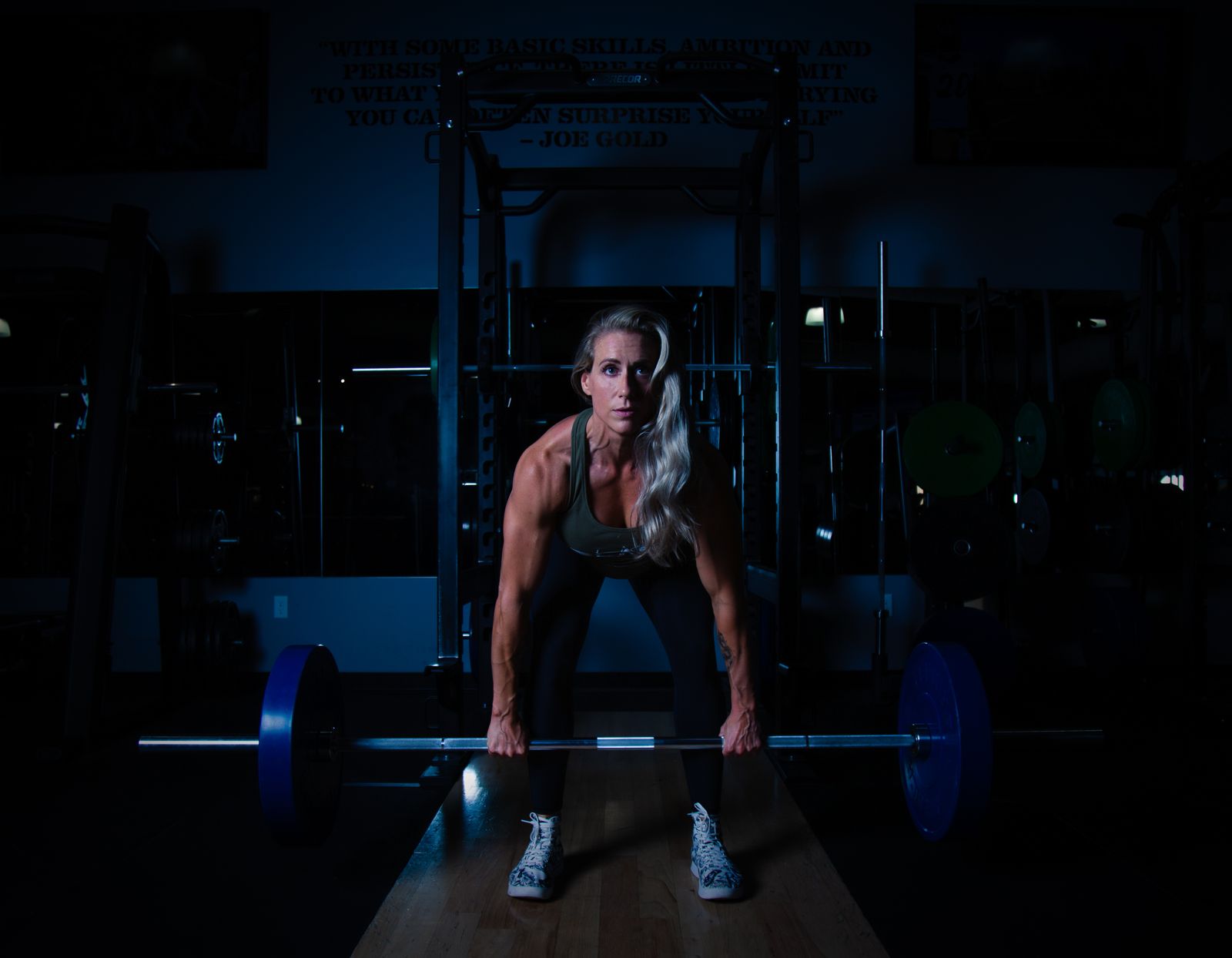
Train the major muscle groups consistently and make the work gradually harder.
Muscle lost through age, inactivity or a long break is not automatically gone for good. Older muscle can still respond to progressive resistance training.
Yes. Aging can make muscle gain slower and less predictable, but it does not switch off the ability to adapt. Randomized trials in older adults consistently show that resistance training can increase strength, and pooled research shows measurable hypertrophy at the whole-muscle and muscle-fiber level.
If muscle was lost during inactivity, illness or years without strength training, some of the return may happen alongside a rapid recovery of skill and strength. The mirror, a body-composition scan and the weight on the bar do not all change at the same speed. Regaining function is often noticeable before a large change in measured lean mass.
Older muscle can be less responsive to a single training or protein stimulus, and recovery capacity varies widely. That makes progressive training, enough food and enough protein more important—not exotic. A 2024 meta-analysis in adults 65 and older found resistance training increased muscle size and muscle-fiber area, even though some lean-mass measures were less sensitive to the change.
Train the major muscle groups consistently and make the work gradually harder. Use loads and exercises you can perform safely through a useful range of motion. Eat enough protein across the day, and do not let an aggressive calorie deficit undermine the goal. Weeks matter; months matter more.
There is no honest calculator that can tell a 55-year-old exactly how many pounds of muscle will return by a particular date. Training history, starting muscle mass, health, sleep, diet and genetics all change the response. The evidence supports the possibility of meaningful improvement, not a guaranteed rate.
Unexpected weakness, rapid loss of weight or muscle, repeated falls, or a major decline after illness deserves clinical attention. The fitness answer—start progressive resistance training—does not replace evaluation when the loss itself is unexplained.
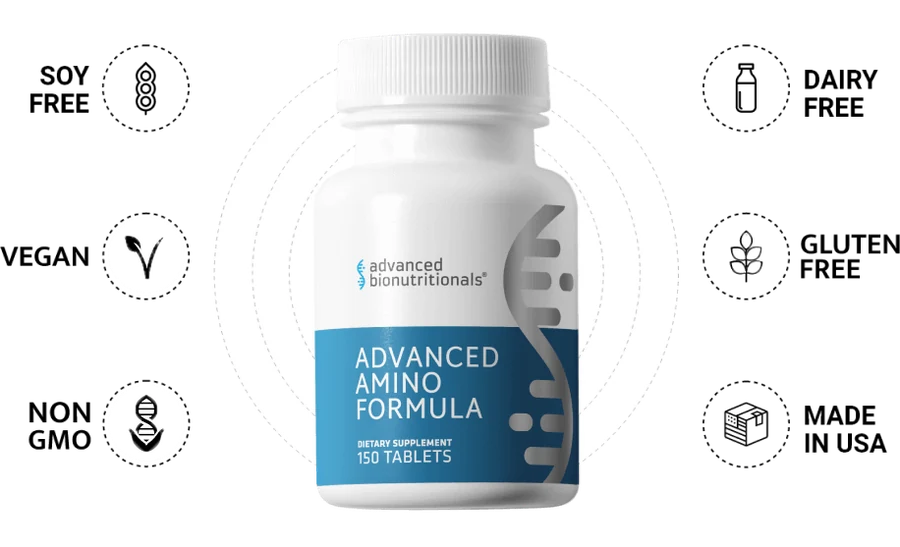
Essential amino acids participate in muscle protein synthesis, but supplements are not a replacement for adequate dietary protein or resistance training.
EXPLORE ADVANCED AMINO FORMULACan You Regain Muscle You've Lost After 50?
Yes. Aging can make muscle gain slower and less predictable, but it does not switch off the ability to adapt. Randomized trials in older adults consistently show that resistance training can increase strength, and pooled research shows measurable hypertrophy at the whole-muscle and muscle-fiber level.
The evidence applies to the specific outcome and population reviewed here; individual results and circumstances can differ.
Muscle lost after 50 can often be rebuilt. Progressive resistance training is the main lever; adequate protein, energy intake and time support the process.
Train the major muscle groups consistently and make the work gradually harder. Use loads and exercises you can perform safely through a useful range of motion. Eat enough protein across the day, and do not let an aggressive calorie deficit undermine the goal. Weeks matter; months matter more.
Ask a question or share your experience.
Use the connected Fitness World guides and tools for the decision you are making next.