What the evidence says
A 2026 systematic review and meta-analysis of randomized trials found small gains in lean mass and leg-press strength, particularly when at least 5 grams per day…
Creatine is increasingly marketed to women in midlife. The strongest case is not “hormone balance”; it is the possibility of modest extra gains in lean mass and strength when creatine is paired with resistance training.
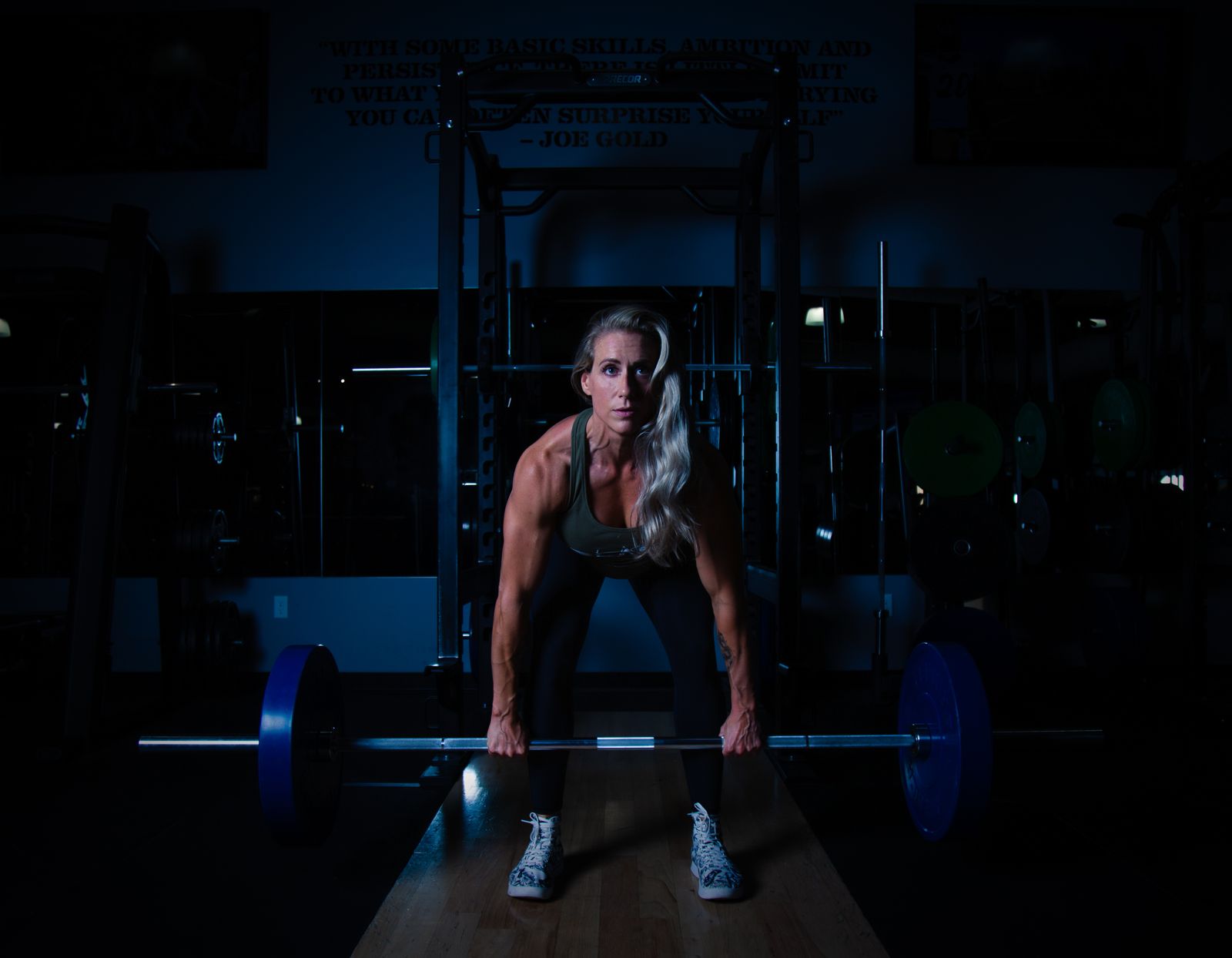
A 2026 systematic review and meta-analysis of randomized trials found small gains in lean mass and leg-press strength, particularly when at least 5 grams per day…
That makes creatine a reasonable optional extra for strength and muscle goals.
The evidence base is much smaller than the broad creatine literature in mixed or male populations.
Creatine has moved far beyond bodybuilding marketing. For postmenopausal women, the interesting question is whether it adds something to a good resistance-training program.
A 2026 systematic review and meta-analysis of randomized trials found small gains in lean mass and leg-press strength, particularly when at least 5 grams per day was combined with resistance training. Bone density did not improve overall.
That makes creatine a reasonable optional extra for strength and muscle goals. It does not justify claims that creatine “fixes menopause,” restores hormones or prevents osteoporosis.
The evidence base is much smaller than the broad creatine literature in mixed or male populations. Individual trials also differ in dose, duration and training.
If you already resistance train and want to try creatine, plain creatine monohydrate is the best-researched form. Training, dietary protein and total diet remain the foundation.
The most useful way to read this evidence is to keep the outcome specific. Creatine After Menopause: Does It Actually Help is not one claim; it can involve strength, symptoms, body composition, sleep, convenience or long-term health. A strong result for one outcome should not be stretched to cover all of the others.
Context can move the practical answer. Age, medical history, medications, baseline diet or fitness, symptoms, dose, product quality and what someone is already doing can all matter. That is why the Fitness World verdict here is deliberately limited to the claim on this page: Creatine after menopause is promising for strength and lean mass, especially alongside lifting. The evidence does not support treating it as a menopause cure-all.
Creatine After Menopause: Does It Actually Help?
A 2026 systematic review and meta-analysis of randomized trials found small gains in lean mass and leg-press strength, particularly when at least 5 grams per day was combined with resistance training. Bone density did not improve overall.
The evidence base is much smaller than the broad creatine literature in mixed or male populations. Individual trials also differ in dose, duration and training.
Creatine after menopause is promising for strength and lean mass, especially alongside lifting. The evidence does not support treating it as a menopause cure-all.
If you already resistance train and want to try creatine, plain creatine monohydrate is the best-researched form. Training, dietary protein and total diet remain the foundation.
Ask a question or share your experience.
Creatine may support strength and lean-mass outcomes when paired with resistance training, but the evidence specifically in postmenopausal women is still developing.
No. Creatine has been studied in older adults and other non-athlete populations, particularly alongside resistance training.
Creatine monohydrate is the form with the largest body of research and is the usual reference point when evaluating other creatine products.
Recent pooled research supports modest benefits from creatine combined with exercise for some strength and body-composition outcomes in older adults, but effects are not uniform across every outcome. Bone-density benefits, for example, have not been consistently demonstrated. That distinction matters: evidence for a useful training adjunct is not evidence for a universal healthy-aging treatment.
Use the connected Fitness World guides and tools for the decision you are making next.