The short answer
Creatine deserves more respect than most supplements—but not every healthy-aging claim deserves the same rating.
Creatine has real evidence for strength and training adaptations in older adults. Claims about cognition, bone health and longevity need more careful separation.

Creatine deserves more respect than most supplements—but not every healthy-aging claim deserves the same rating.
Trials and meta-analyses in older adults generally support creatine as an add-on to resistance training.
A 2025 systematic review in adults 55 and older found signals of benefit for memory and attention, but only six studies met the criteria and study quality…
Creatine has real evidence for strength and training adaptations in older adults. Claims about cognition, bone health and longevity need more careful separation.
Creatine deserves more respect than most supplements—but not every healthy-aging claim deserves the same rating. The strongest case remains creatine monohydrate used alongside resistance training to support strength and lean-tissue outcomes.
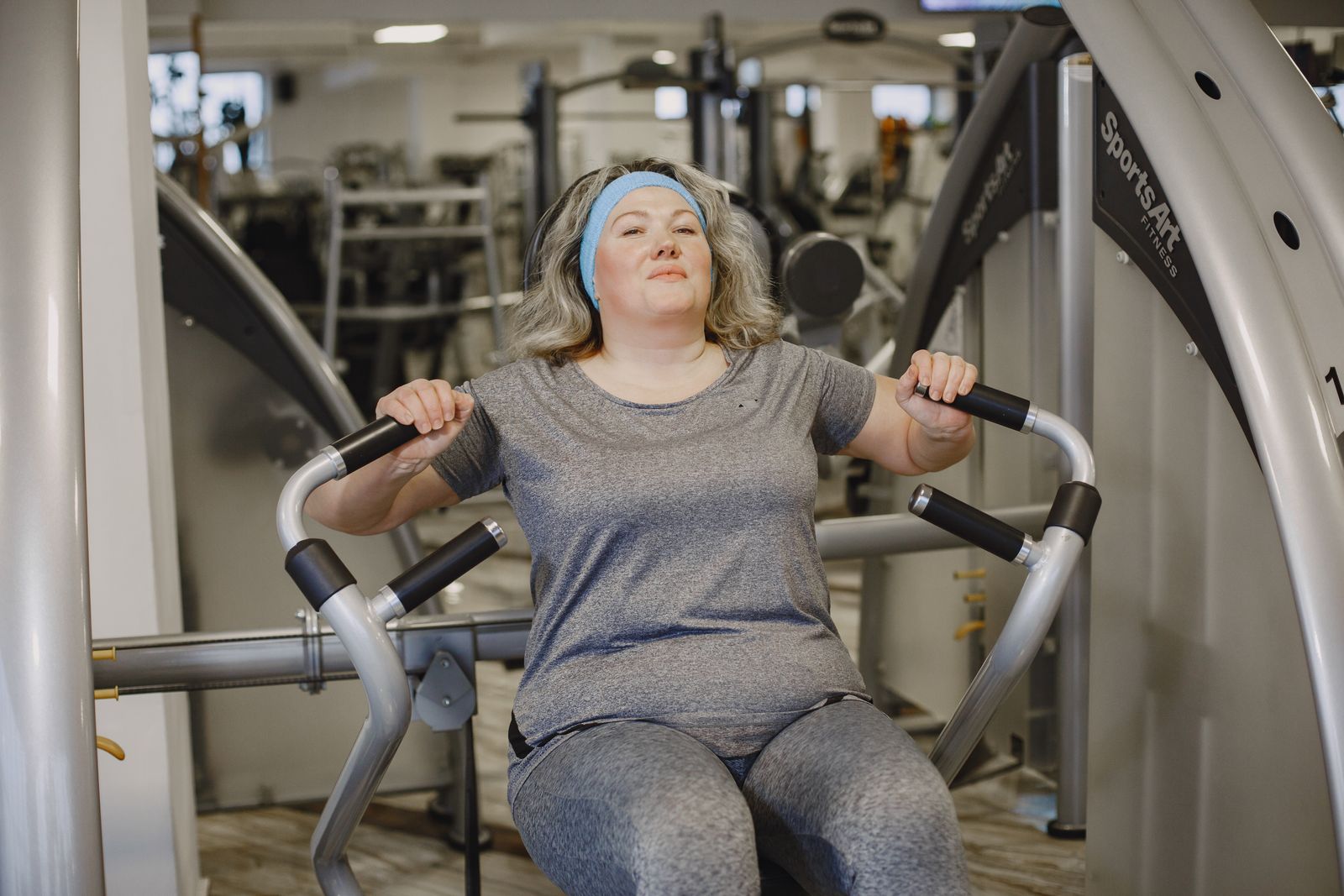
Trials and meta-analyses in older adults generally support creatine as an add-on to resistance training. The effect is not dramatic in every study, and training still does the heavy lifting. That is very different from saying a scoop of creatine 'reverses aging.'
A 2025 systematic review in adults 55 and older found signals of benefit for memory and attention, but only six studies met the criteria and study quality was uneven. That makes cognition a promising research area, not a reason to market creatine as a proven brain supplement.
Bone outcomes are less consistent and often depend on training context, study duration and the measurement used. There is no clinical trial evidence that creatine extends human lifespan. Healthy-aging marketing often bundles plausible mechanisms with outcomes that have never been demonstrated.
Creatine monohydrate is the form with the deepest evidence base. More expensive forms do not become better because the label sounds newer. For most healthy adults who choose it, simplicity is a feature.
Resistance training, enough protein, regular movement, sleep and management of cardiovascular risk have much broader evidence for healthy aging. Creatine can be a useful extra; it should not become the center of the plan.
Creatine for Healthy Aging: Is the Hype Ahead of the Evidence?
Creatine deserves more respect than most supplements—but not every healthy-aging claim deserves the same rating. The strongest case remains creatine monohydrate used alongside resistance training to support strength and lean-tissue outcomes.
The evidence applies to the specific outcome and population reviewed here; individual results and circumstances can differ.
Creatine monohydrate is well supported as an add-on to resistance training in older adults. Broader claims about brain health, bone and longevity are less certain and should not be bundled into one 'anti-aging' promise.
Creatine monohydrate is the form with the deepest evidence base. More expensive forms do not become better because the label sounds newer. For most healthy adults who choose it, simplicity is a feature.
Ask a question or share your experience.
Recent pooled research supports modest benefits from creatine combined with exercise for some strength and body-composition outcomes in older adults, but effects are not uniform across every outcome. Bone-density benefits, for example, have not been consistently demonstrated. That distinction matters: evidence for a useful training adjunct is not evidence for a universal healthy-aging treatment.
Use the connected Fitness World guides and tools for the decision you are making next.