What the evidence says
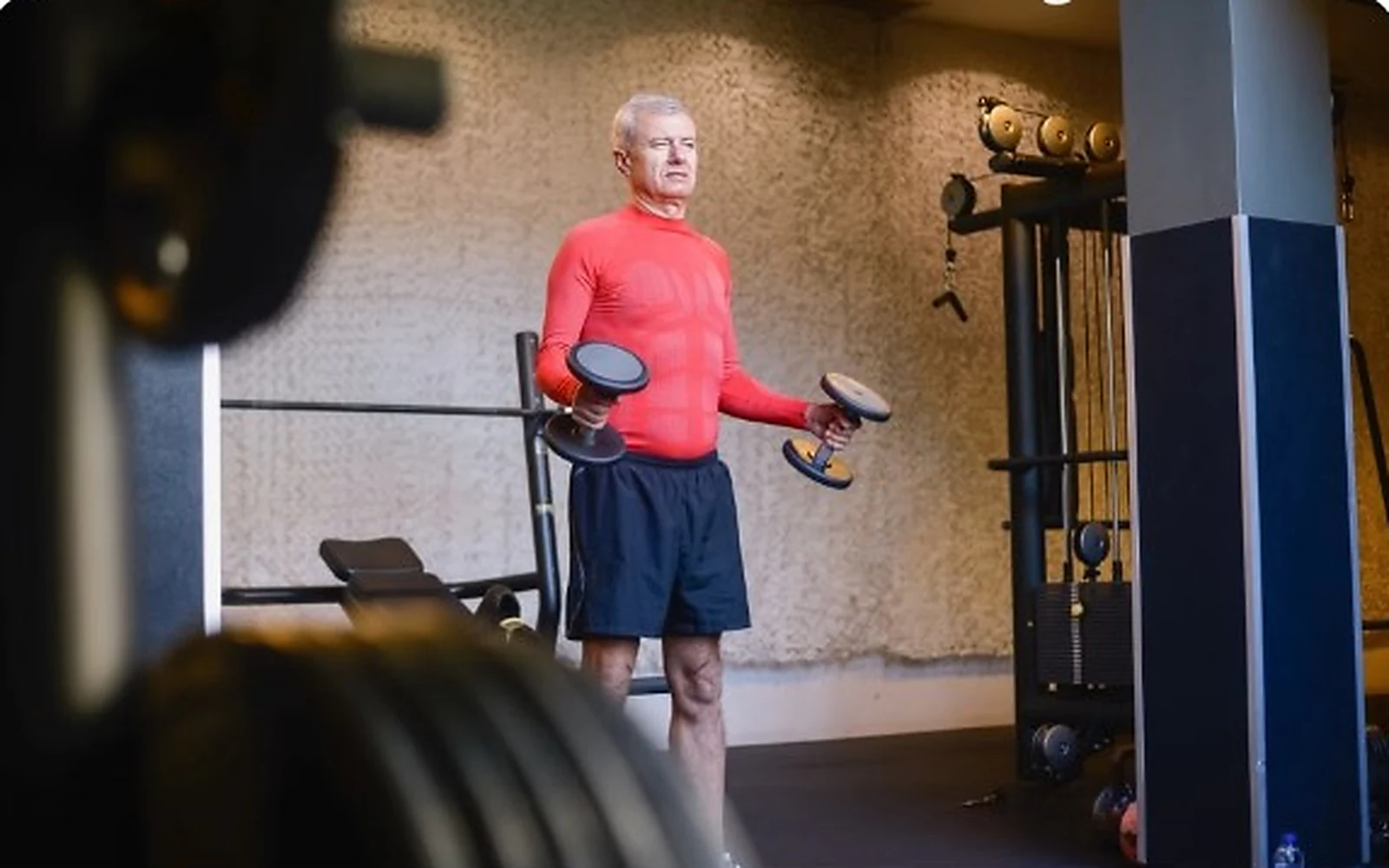
Evidence in older adults supports adequate protein alongside resistance training for preserving lean mass.
Menopause can change the context around muscle, appetite and bone health. It does not create a separate protein physiology that makes ordinary food rules obsolete.

Evidence in older adults supports adequate protein alongside resistance training for preserving lean mass.
That does not mean every woman suddenly needs a high-protein diet or a shake at every meal.
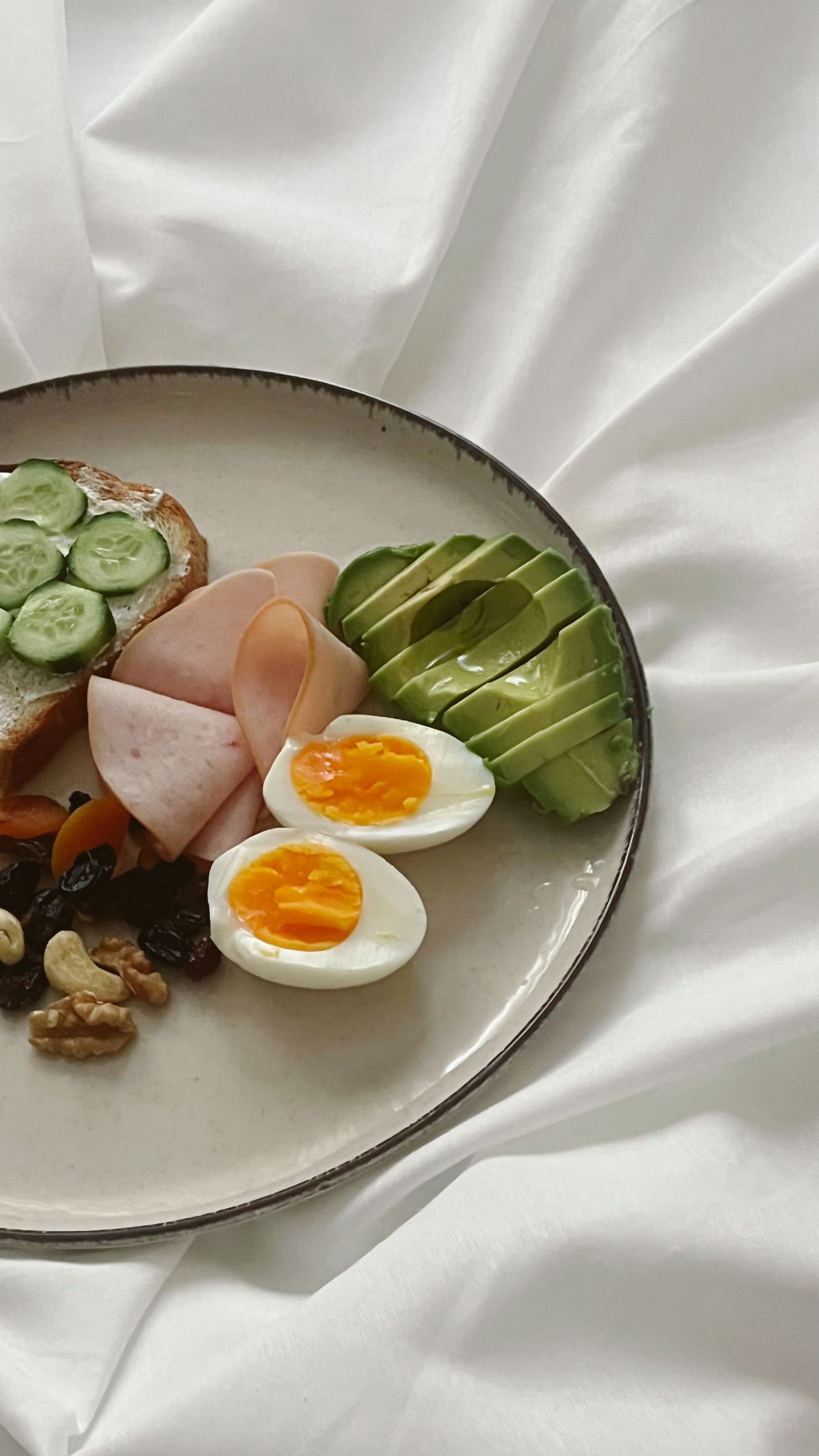
A practical pattern is to include a meaningful protein source at several meals and let food do most of the work.
Menopause changes the health priorities around protein more than it changes the basic job of protein itself. The goal is still to provide amino acids for tissue maintenance and repair while keeping the whole diet adequate.
Evidence in older adults supports adequate protein alongside resistance training for preserving lean mass. What menopause adds is a period when muscle and bone become more important to protect, while appetite, body-composition goals and lifestyle may also be changing.
That does not mean every woman suddenly needs a high-protein diet or a shake at every meal. Total intake, body size, training and the rest of the diet still determine whether more protein is useful.
A practical pattern is to include a meaningful protein source at several meals and let food do most of the work. Supplements can help when appetite or convenience makes that hard.
Kidney disease and other medical conditions can change appropriate targets. Protein should also not crowd out fiber-rich foods, fruit, vegetables and other parts of a balanced diet.
The strongest advice is the least dramatic: look at the whole day, not one “perfect” meal. If protein is already adequate and meals are balanced, pushing intake higher may add little. If intake is low, meals are small or resistance training has increased, improving protein distribution can be a practical change without turning the diet into a supplement plan.
Protein and Menopause: What Changes — and What Doesn’t?
Evidence in older adults supports adequate protein alongside resistance training for preserving lean mass. What menopause adds is a period when muscle and bone become more important to protect, while appetite, body-composition goals and lifestyle may also be changing.
A practical pattern is to include a meaningful protein source at several meals and let food do most of the work. Supplements can help when appetite or convenience makes that hard.
Protein becomes more important to think about around menopause because preserving muscle matters more — not because menopause creates a special universal protein dose.
The strongest advice is the least dramatic: look at the whole day, not one “perfect” meal. If protein is already adequate and meals are balanced, pushing intake higher may add little.
Ask a question or share your experience.
Use the connected Fitness World guides and tools for the decision you are making next.