The short answer
When appetite is low, prioritize foods that deliver useful nutrition without requiring a huge volume.
When appetite drops sharply, the challenge is not finding a perfect GLP-1 diet. It is fitting enough protein, fluids, fiber and micronutrients into food you can comfortably tolerate.
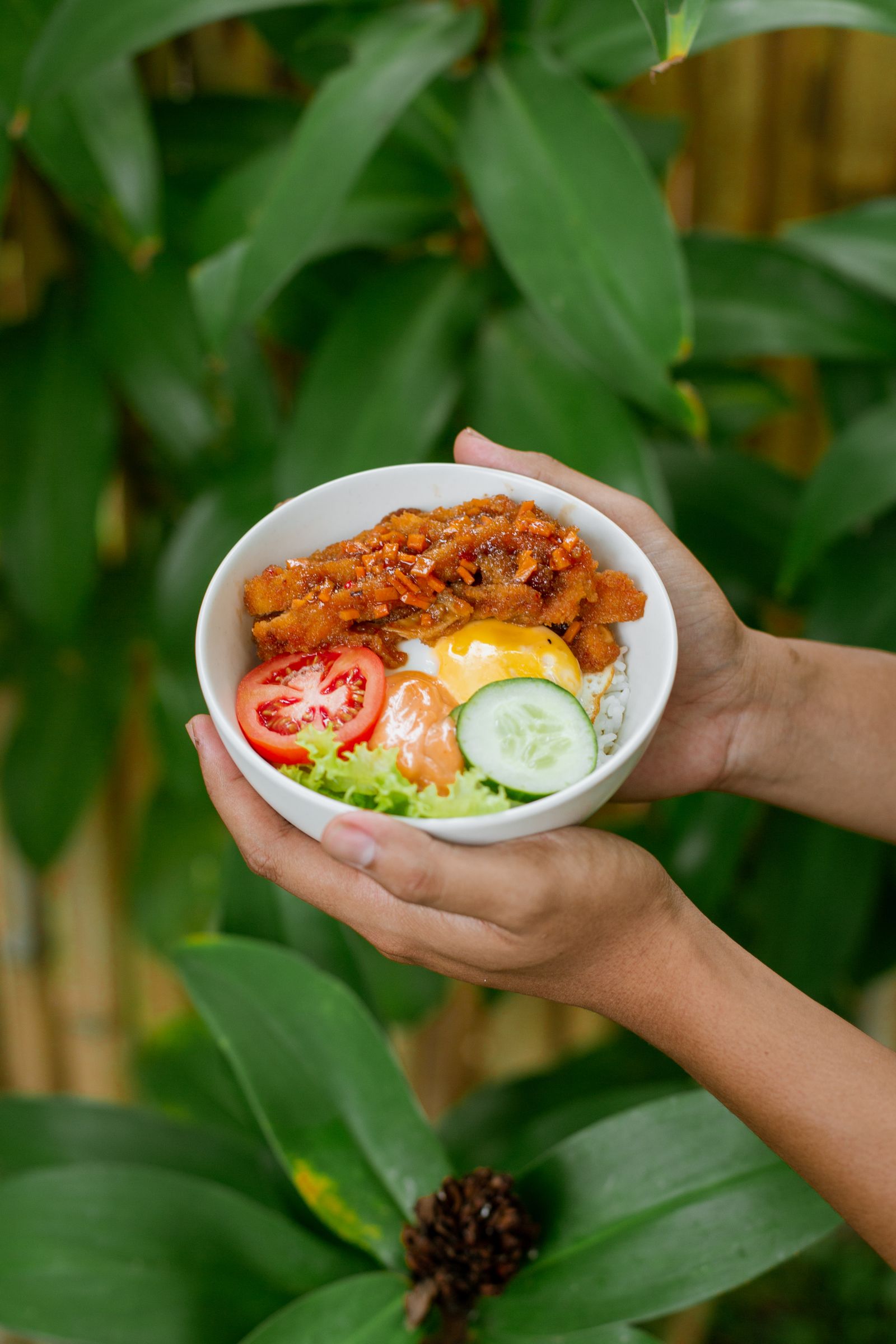
When appetite is low, prioritize foods that deliver useful nutrition without requiring a huge volume.
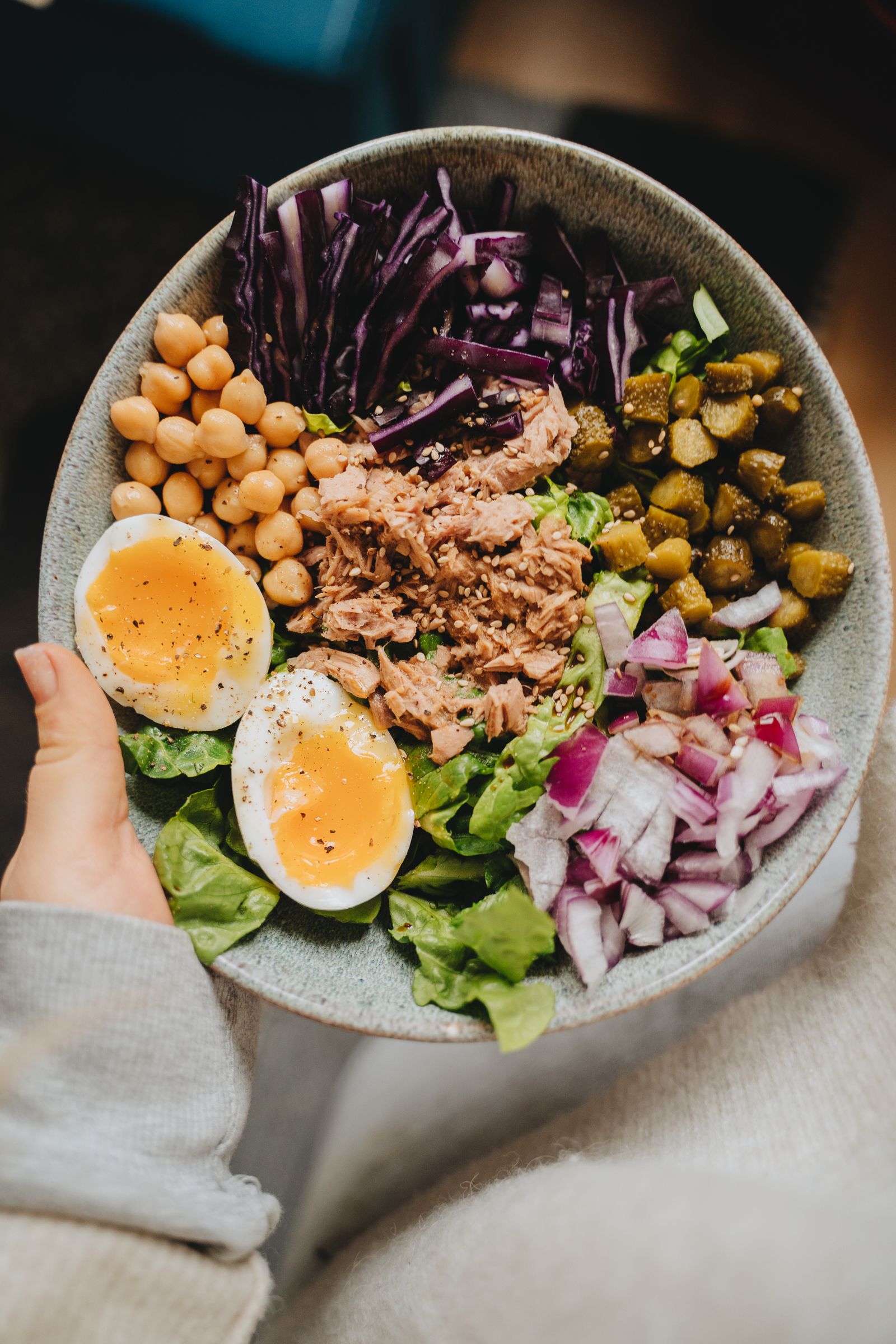
If a small meal fills you quickly, build it around a protein source first: yogurt, eggs, fish, poultry, tofu, cottage cheese, beans or another tolerated option.
Three large meals may be uncomfortable for some people.
When appetite drops sharply, the challenge is not finding a perfect GLP-1 diet. It is fitting enough protein, fluids, fiber and micronutrients into food you can comfortably tolerate.
When appetite is low, prioritize foods that deliver useful nutrition without requiring a huge volume. Protein-rich foods, fluids and tolerated sources of fiber deserve attention. There is no special list of foods that everyone taking a GLP-1 must eat.
If a small meal fills you quickly, build it around a protein source first: yogurt, eggs, fish, poultry, tofu, cottage cheese, beans or another tolerated option. Add produce, whole grains or other fiber-rich foods as appetite allows.
Three large meals may be uncomfortable for some people. Smaller meals or snacks can make it easier to spread nutrition across the day. The goal is not to eat through severe fullness; it is to avoid letting reduced appetite quietly become chronically inadequate nutrition.
Nausea, vomiting or diarrhea can increase dehydration risk, while simply eating and drinking less can reduce fluid intake. Sip regularly. Persistent vomiting, inability to keep fluids down, dizziness or signs of dehydration need medical advice—not a nutrition hack.
Constipation can occur during GLP-1 treatment. Fiber-rich foods can help, but suddenly adding large amounts of fiber when fluid intake is low may make discomfort worse. Increase gradually and pair fiber with adequate fluids.
A protein shake is optional, not mandatory. It can be useful when solid food is difficult or when a small-volume source of protein fits better. Whole foods remain valuable for variety, fiber and micronutrients.
Severe or persistent gastrointestinal symptoms, rapid unintended weakness, signs of dehydration or an inability to meet basic nutrition needs should be discussed with the prescribing clinician or a registered dietitian.
What Should You Eat When Your Appetite Is Low on a GLP-1?
When appetite is low, prioritize foods that deliver useful nutrition without requiring a huge volume. Protein-rich foods, fluids and tolerated sources of fiber deserve attention. There is no special list of foods that everyone taking a GLP-1 must eat.
The evidence applies to the specific outcome and population reviewed here; individual results and circumstances can differ.
With low appetite on a GLP-1, prioritize nutrient-dense, tolerable foods: protein first, fluids consistently, and fiber gradually. Persistent inability to eat or drink needs clinical guidance.
If a small meal fills you quickly, build it around a protein source first: yogurt, eggs, fish, poultry, tofu, cottage cheese, beans or another tolerated option. Add produce, whole grains or other fiber-rich foods as appetite allows.
Ask a question or share your experience.
Use the connected Fitness World guides and tools for the decision you are making next.