Food can be surprisingly protein-dense
Eggs, Greek yogurt, cottage cheese, fish, poultry, lean meat, tofu, tempeh, edamame and legumes can all contribute meaningful protein.
Protein powder is convenient, not compulsory. A food-first approach can work if smaller meals still add up to enough protein across the day.
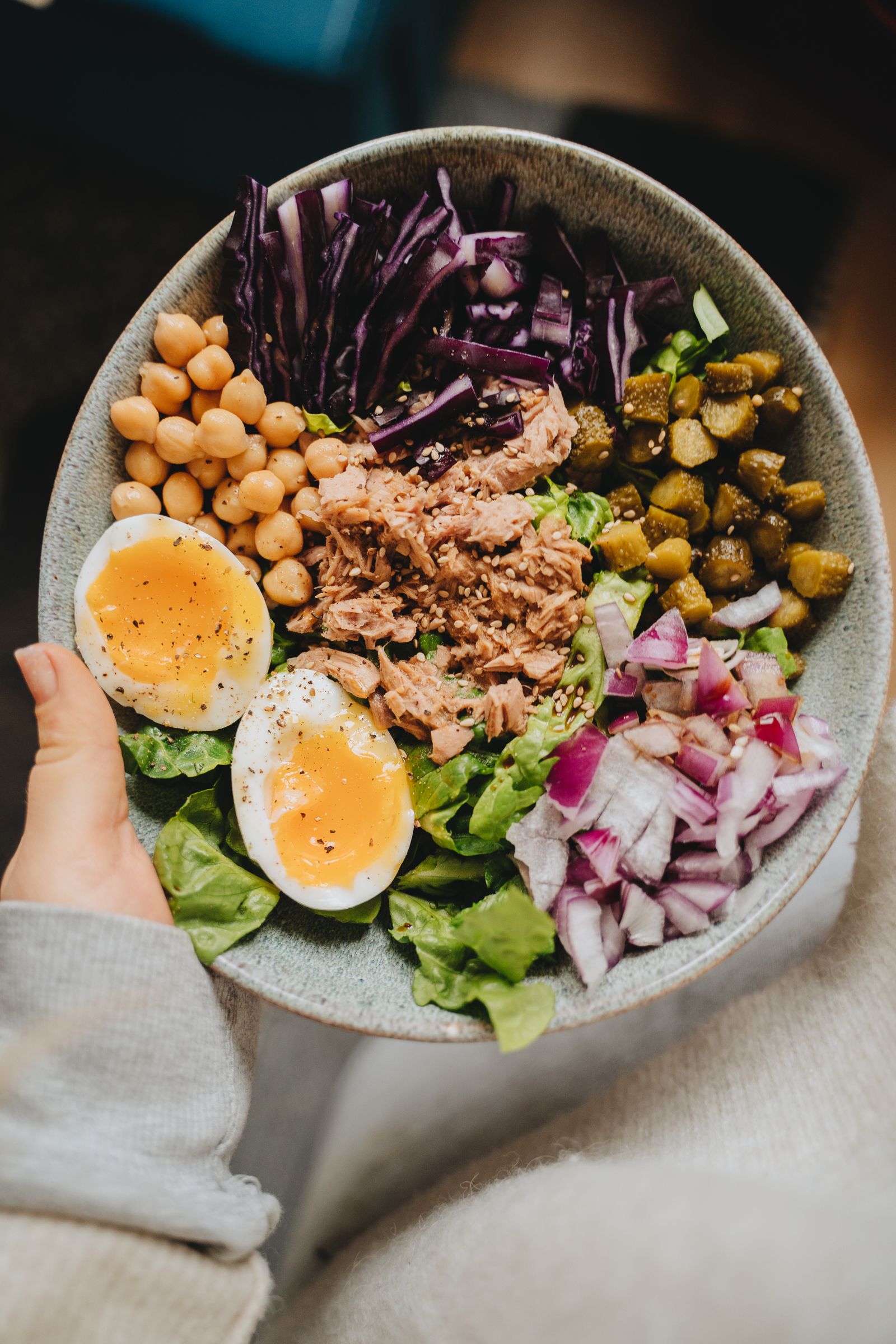
Eggs, Greek yogurt, cottage cheese, fish, poultry, lean meat, tofu, tempeh, edamame and legumes can all contribute meaningful protein.
Liquid protein is quick, portable and relatively easy to quantify.
Whole foods can provide iron, calcium, B vitamins, essential fats, fiber and other nutrients alongside protein.
Protein powder is convenient, not compulsory. A food-first approach can work if smaller meals still add up to enough protein across the day.
Yes. Protein shakes are a convenience tool, not a requirement of GLP-1 treatment. The real question is whether reduced appetite makes it difficult for you to get enough protein from the amount of food you can comfortably eat.
Eggs, Greek yogurt, cottage cheese, fish, poultry, lean meat, tofu, tempeh, edamame and legumes can all contribute meaningful protein. Choosing a protein source early in a small meal helps prevent it from being squeezed out by foods that are easier to nibble but less protein-dense.
Liquid protein is quick, portable and relatively easy to quantify. For someone who feels full after a few bites, that can be genuinely useful. But convenience is not evidence that powder is physiologically superior to food.
Whole foods can provide iron, calcium, B vitamins, essential fats, fiber and other nutrients alongside protein. Variety also matters when total food intake is lower.
A shake can make sense when breakfast is routinely missed, solid food is difficult, travel disrupts meals or a clinician/dietitian has identified a protein gap. Choose a product you tolerate; very large, thick or high-fat shakes may be uncomfortable for some people.
Protecting muscle matters, but a diet made almost entirely of protein products can crowd out fiber, produce and other micronutrient-rich foods. The goal is an adequate diet in a smaller appetite—not a supplement stack.
Can You Get Enough Protein on a GLP-1 Without Protein Shakes?
Yes. Protein shakes are a convenience tool, not a requirement of GLP-1 treatment. The real question is whether reduced appetite makes it difficult for you to get enough protein from the amount of food you can comfortably eat.
The evidence applies to the specific outcome and population reviewed here; individual results and circumstances can differ.
You can meet protein needs on a GLP-1 without shakes. Use protein powder when it solves a real appetite or convenience problem, not because the medication requires it.
Protein powder is convenient, not compulsory. A food-first approach can work if smaller meals still add up to enough protein across the day.
Ask a question or share your experience.
Use the connected Fitness World guides and tools for the decision you are making next.